THE ADVENTURE COLLECTIVE® · Independent discovery and booking for outdoor travel

A five-day crossing from glaciated Salkantay to the cloud forest, this trek delivers high alpine passes, coffee farms, and a sunrise visit to Machu Picchu. Expect long days, big altitude swings, and a mix of camping and dome accommodations.
A five-day crossing from glaciated Salkantay to the cloud forest, this trek delivers high alpine passes, coffee farms, and a sunrise visit to Machu Picchu. Expect long days, big altitude swings, and a mix of camping and dome accommodations.
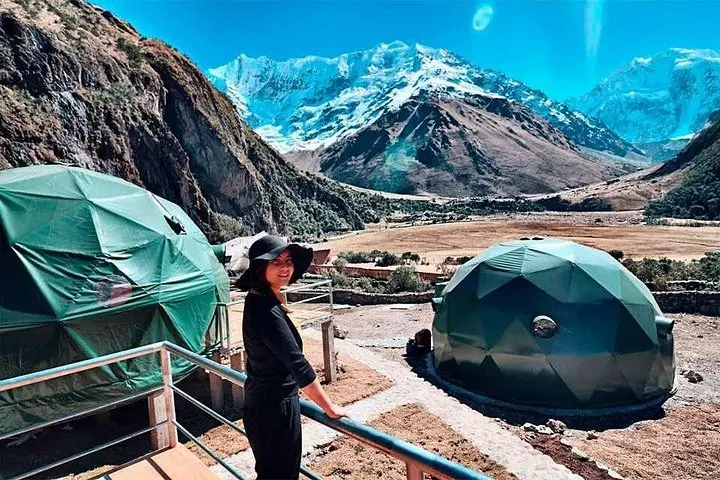
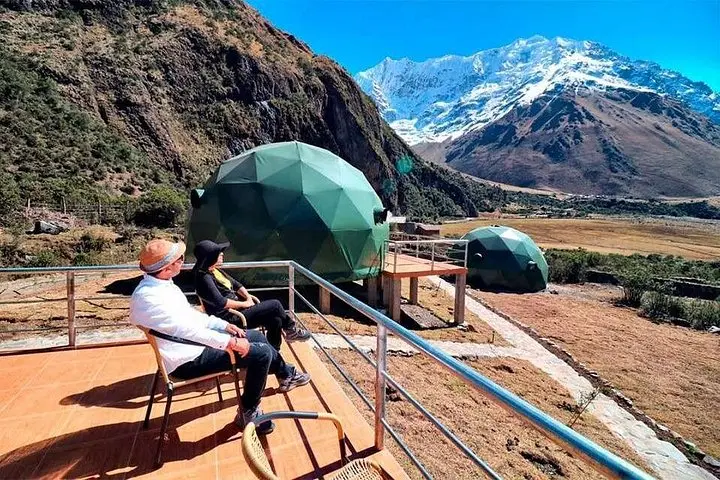
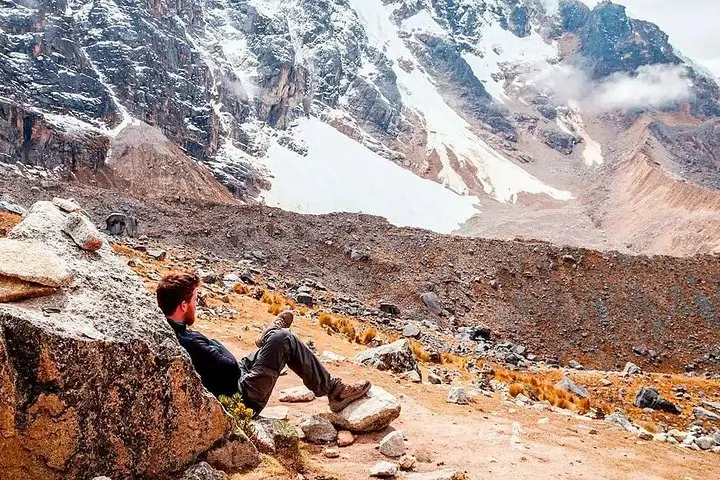
The morning air bites at 4,000 meters as you step out onto the Soraypampa tundra; Salkantay’s jagged shoulder looms, glaciers catching weak light while a thin wind pushes you forward. Over five days the trail moves like a story—from alpine moraine and glacial lakes to the humid, breathing green of the cloud forest—and every campsite rewrites the map beneath your boots.
Verified experiences and guided adventures in the surrounding area.
Operated by Uros Expeditions Travel Peru · Cusco, Cusco
The morning air bites at 4,000 meters as you step out onto the Soraypampa tundra; Salkantay’s jagged shoulder looms, glaciers catching weak light while a thin wind pushes you forward. Over five days the trail moves like a story—from alpine moraine and glacial lakes to the humid, breathing green of the cloud forest—and every campsite rewrites the map beneath your boots.
This route follows high Andean passes used for centuries and skirts lesser-known Inca terraces and waystations. Geologically, the trek traverses uplifted, volcanic-andesitic ranges into eroded river valleys where the geology shifts to softer sedimentary slopes that feed the Amazon basin. Culturally, small Quechua-speaking communities and coffee farms punctuate the lower days; expect local ceremonies and direct coffee demonstrations at family-run fincas.
Practically: the highest point is the Salkantay Pass (~4,650 m), daily hiking averages 10–18 km with significant elevation change, and nights range from cold Soraypampa to humid La Playa. Altitude is the main hazard—plan 1–2 days acclimatization in Cusco, hydrate, and move deliberately on ascent. Footwear should be broken-in, waterproof, and supportive; layering is crucial as temperatures flip from freezing at dawn to tropical heat in the afternoon. Logistics are straightforward: guided groups handle camps, meals, and transport; one night in Aguas Calientes precedes the Machu Picchu visit. For those who want extra challenge, Huayna Picchu requires separate booking.
The Salkantay is a raw alternative to the classic Inca Trail: less regulated, wilder, and structurally varied—an immersive, physically honest route from Andean ice to jungle green.
No Inca Trail permit is required for Salkantay, but entry to Machu Picchu requires a timed ticket purchased in advance; Huayna Picchu has limited slots and must be booked separately.
You’ll reach about 4,650 m at the pass; acclimatization in Cusco, slow ascent, hydration, and awareness of symptoms (headache, nausea, dizziness) are crucial—descend and seek medical help if symptoms worsen.
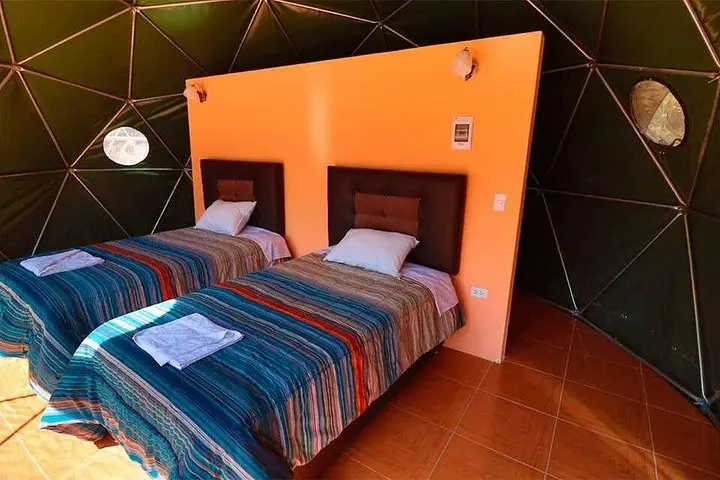
Guided trips typically include meals, cooks, dining tents, and dome or cabin accommodations as listed—confirm specifics with your operator for dietary needs and sleeping arrangements.
Physically fit beginners with prior hiking experience can complete it if they acclimatize and choose a guided service that manages logistics; expect long days and variable terrain.
Uros Expeditions Travel Peru operates guided outdoor trips and adventures with an emphasis on safety, stewardship, and memorable experiences.
The morning air bites at 4,000 meters as you step out onto the Soraypampa tundra; Salkantay’s jagged shoulder looms, glaciers catching weak light while a thin wind pushes you forward. Over five days the trail moves like a story—from alpine moraine and glacial lakes to the humid, breathing green of the cloud forest—and every campsite rewrites the map beneath your boots.
The morning air bites at 4,000 meters as you step out onto the Soraypampa tundra; Salkantay’s jagged shoulder looms, glaciers catching weak light while a thin wind pushes you forward. Over five days the trail moves like a story—from alpine moraine and glacial lakes to the humid, breathing green of the cloud forest—and every campsite rewrites the map beneath your boots.
This route follows high Andean passes used for centuries and skirts lesser-known Inca terraces and waystations. Geologically, the trek traverses uplifted, volcanic-andesitic ranges into eroded river valleys where the geology shifts to softer sedimentary slopes that feed the Amazon basin. Culturally, small Quechua-speaking communities and coffee farms punctuate the lower days; expect local ceremonies and direct coffee demonstrations at family-run fincas.
Practically: the highest point is the Salkantay Pass (~4,650 m), daily hiking averages 10–18 km with significant elevation change, and nights range from cold Soraypampa to humid La Playa. Altitude is the main hazard—plan 1–2 days acclimatization in Cusco, hydrate, and move deliberately on ascent. Footwear should be broken-in, waterproof, and supportive; layering is crucial as temperatures flip from freezing at dawn to tropical heat in the afternoon. Logistics are straightforward: guided groups handle camps, meals, and transport; one night in Aguas Calientes precedes the Machu Picchu visit. For those who want extra challenge, Huayna Picchu requires separate booking.
The Salkantay is a raw alternative to the classic Inca Trail: less regulated, wilder, and structurally varied—an immersive, physically honest route from Andean ice to jungle green.