THE ADVENTURE COLLECTIVE® · Independent discovery and booking for outdoor travel

A five-day guided crossing from high Andean passes to humid cloud forest that finishes at Machu Picchu. This route blends strenuous high-altitude hiking with cultural stops, camping, and a final guided visit to the Inca citadel.
A five-day guided crossing from high Andean passes to humid cloud forest that finishes at Machu Picchu. This route blends strenuous high-altitude hiking with cultural stops, camping, and a final guided visit to the Inca citadel.
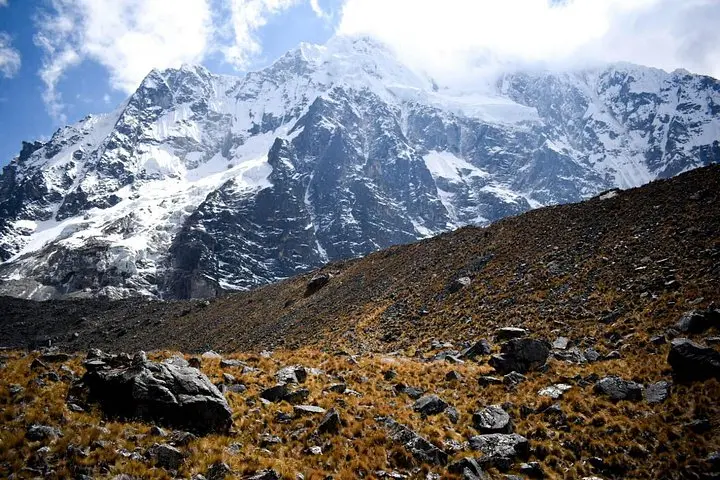
You step out of the van before dawn and the Andes greet you with thin, bright air; silhouettes of serrated peaks slice the sky and Salkantay’s snowfield watches every step. The first climb tightens lungs and muscles as the trail rises to Soraypampa and the short, stony walk to Humantay Lake reveals a turquoise eye held beneath glacier rock.
Verified experiences and guided adventures in the surrounding area.
Operated by Nixon Expeditions · Cusco, Cusco
You step out of the van before dawn and the Andes greet you with thin, bright air; silhouettes of serrated peaks slice the sky and Salkantay’s snowfield watches every step. The first climb tightens lungs and muscles as the trail rises to Soraypampa and the short, stony walk to Humantay Lake reveals a turquoise eye held beneath glacier rock.
This route traces ancient Inca corridors and modern farmer tracks—formed in granite and volcanic beds uplifted by the same tectonics that carved the Urubamba Valley. Along the way you pass coffee terraces, Inca ruins tucked under moss, and cloud forest that seems to swallow sound. Local Quechua communities still plant, brew and trade on these slopes; Salkantay itself is considered an Apu, a mountain with spiritual significance.
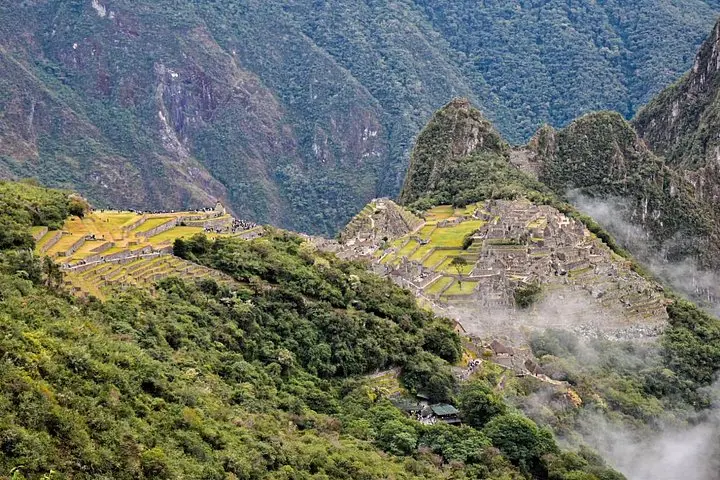
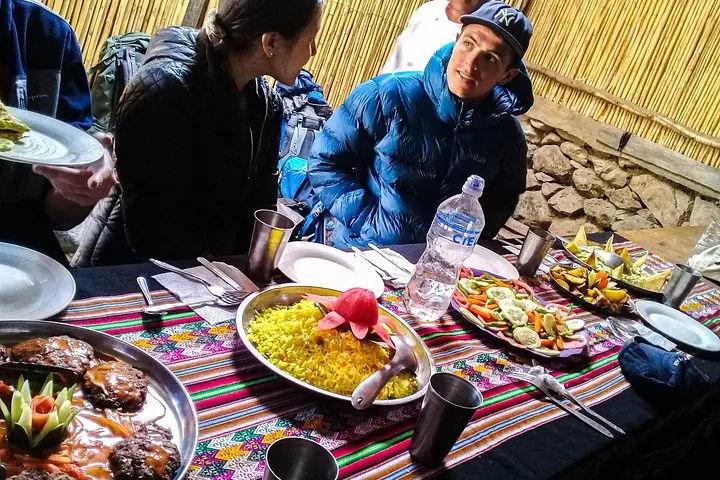
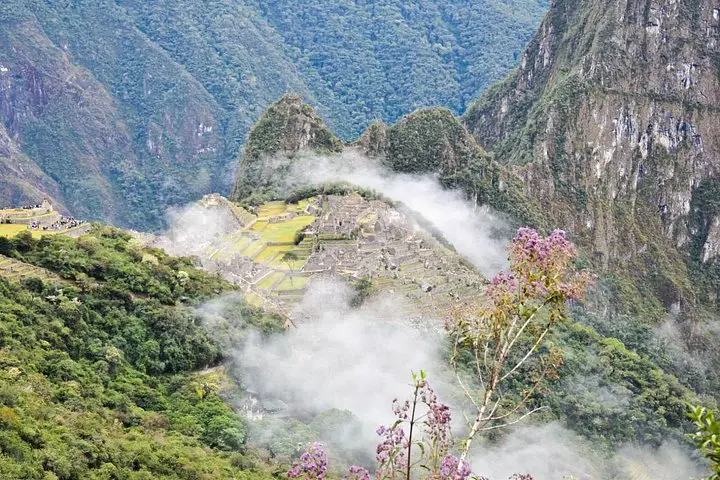
Expect steep ascents to the Salkantay Pass at roughly 4,650 m, then a long, shifting descent into humid, bird-rich cloud forest. Camp nights and one lodge night are standard; the group carries communal gear while porters and pack horses ease loads on the hardest days. The final approach follows the Urubamba’s corridor to Hidroelectrica and the railwalk into Aguas Calientes before a guided morning at Machu Picchu.
Practical guidance: acclimatize in Cusco for 1–2 days, carry layered insulation for big temperature swings, and plan for wet trail sections in the cloud forest. Hydrate, respect altitude, and budget time for photography and short cultural stops—the trek is as much passage as destination.
No technical experience required, but prior high-altitude exposure or good cardiovascular fitness helps; guides manage logistics and navigation.
Entry is included if booked in advance as indicated; verify your ticket type and booking window before departure.
The pass day is the hardest: sustained climbing to ~4,650 m with steep sections and thinner air—expect slow, steady pacing and frequent rests.
Port horses/porters carry communal gear and up to a small personal daypack (about 5 kg) during the first three days—bring essentials in a light daypack.
Nixon Expeditions operates guided outdoor trips and adventures with an emphasis on safety, stewardship, and memorable experiences.
You step out of the van before dawn and the Andes greet you with thin, bright air; silhouettes of serrated peaks slice the sky and Salkantay’s snowfield watches every step. The first climb tightens lungs and muscles as the trail rises to Soraypampa and the short, stony walk to Humantay Lake reveals a turquoise eye held beneath glacier rock.
You step out of the van before dawn and the Andes greet you with thin, bright air; silhouettes of serrated peaks slice the sky and Salkantay’s snowfield watches every step. The first climb tightens lungs and muscles as the trail rises to Soraypampa and the short, stony walk to Humantay Lake reveals a turquoise eye held beneath glacier rock.
This route traces ancient Inca corridors and modern farmer tracks—formed in granite and volcanic beds uplifted by the same tectonics that carved the Urubamba Valley. Along the way you pass coffee terraces, Inca ruins tucked under moss, and cloud forest that seems to swallow sound. Local Quechua communities still plant, brew and trade on these slopes; Salkantay itself is considered an Apu, a mountain with spiritual significance.
Expect steep ascents to the Salkantay Pass at roughly 4,650 m, then a long, shifting descent into humid, bird-rich cloud forest. Camp nights and one lodge night are standard; the group carries communal gear while porters and pack horses ease loads on the hardest days. The final approach follows the Urubamba’s corridor to Hidroelectrica and the railwalk into Aguas Calientes before a guided morning at Machu Picchu.
Practical guidance: acclimatize in Cusco for 1–2 days, carry layered insulation for big temperature swings, and plan for wet trail sections in the cloud forest. Hydrate, respect altitude, and budget time for photography and short cultural stops—the trek is as much passage as destination.