THE ADVENTURE COLLECTIVE® · Independent discovery and booking for outdoor travel

A five-day alternative to the Inca Trail that crosses the high Salkantay pass, drops through cloud forest and ends at Machu Picchu. Expect alpine views, rainforest descents and an overnight in Aguas Calientes before the final visit to the citadel.
A five-day alternative to the Inca Trail that crosses the high Salkantay pass, drops through cloud forest and ends at Machu Picchu. Expect alpine views, rainforest descents and an overnight in Aguas Calientes before the final visit to the citadel.
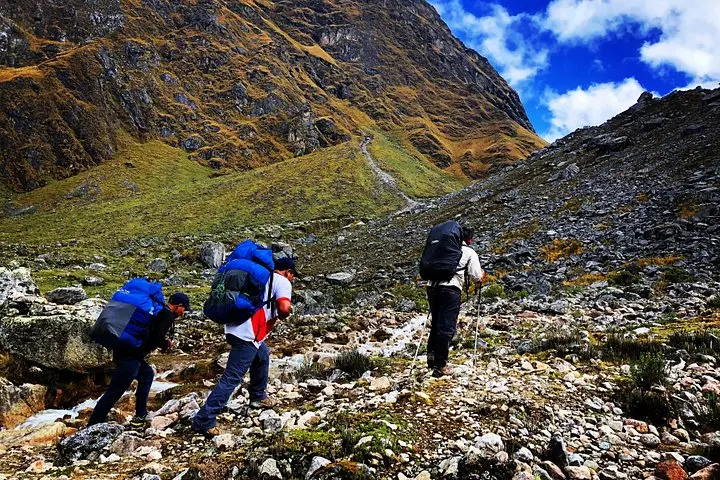
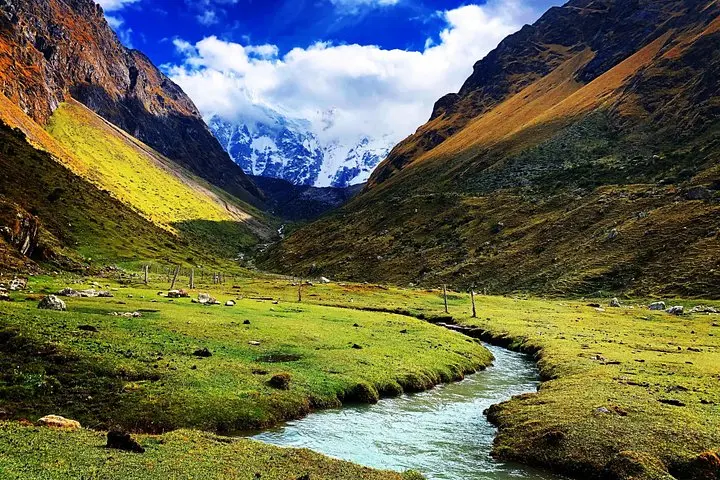
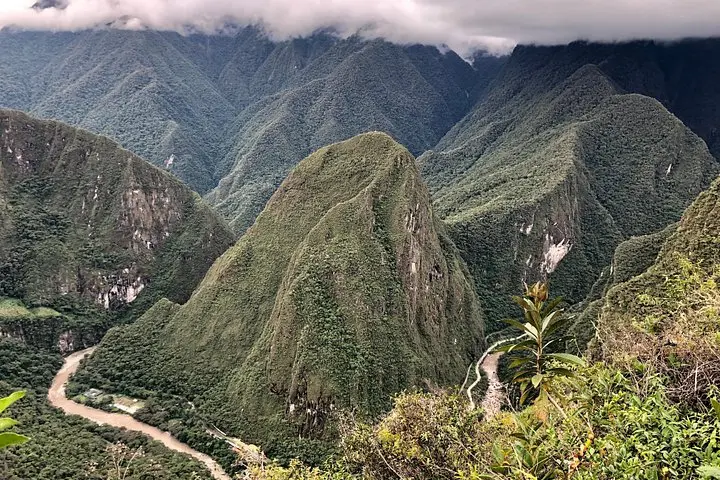
The trail opens with a cold, thin air that wakes every sense: jagged ridgelines of the Vilcabamba rise to the west, Salkantay’s glaciated shoulders glinting above pasture and puna. You start on rocky highland ledges, visit the turquoise Humantay Lagoon, climb to the Salkantay Pass and then descend through cloud forest until the river calls you into subtropical valleys that lead toward Machu Picchu.
Verified experiences and guided adventures in the surrounding area.
Operated by Action Peru Treks · Aguas Calientes, Cusco
The trail opens with a cold, thin air that wakes every sense: jagged ridgelines of the Vilcabamba rise to the west, Salkantay’s glaciated shoulders glinting above pasture and puna. You start on rocky highland ledges, visit the turquoise Humantay Lagoon, climb to the Salkantay Pass and then descend through cloud forest until the river calls you into subtropical valleys that lead toward Machu Picchu.
Geology here is dramatic — fractured granite and metamorphic schists folded by Andean uplift, with glaciers carving steep cirques at higher elevations. The route threads Inca-era corridors and contemporary farming communities; guides often perform traditional offerings at the pass, reflecting local Andean cosmology and the reverence of mountain apus.
Days vary dramatically: cold alpine mornings and sun-exposed ridges give way to humid, bird-rich vegetation as you drop toward Santa Teresa and Lucmabamba. Expect a diversity of microclimates and steady altitude change — the highest point sits above 4,600 m (about 15,252 ft).
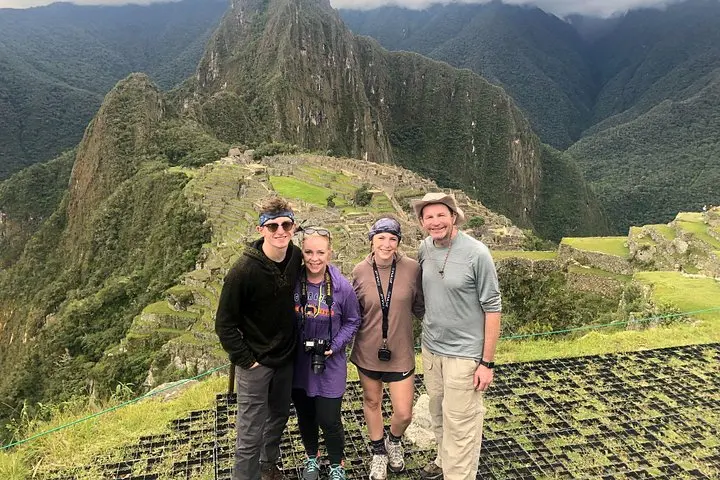
Practical guidance: plan for acclimatization in Cusco, use layered clothing for rapid temperature swings, and rely on trekking poles for steep descents. Hydrate deliberately and carry electrolyte packets; oxygen and emergency horses are typically available with operators but bring a basic first-aid kit. Nights are in tents until Aguas Calientes, so a warm sleeping bag rated for sub-zero temps is essential. On day four you’ll visit Llactapata for your first view of Machu Picchu, then descend to the train and a final morning at the citadel. The route rewards persistence with high-mountain panoramas, coffee-scented valley afternoons, and a cinematic arrival at one of the world’s most iconic ruins.
Salkantay is generally longer with higher altitude gain and more varied terrain; it’s less technical but more physically demanding due to steeper climbs and higher passes.
No special government permit is required for the Salkantay route itself, but you must purchase entrance to Machu Picchu and train tickets separately—book those in advance.
The trek reaches about 4,650 m (15,252 ft) at Salkantay Pass—acute mountain sickness can occur; acclimatization days in Cusco and conservative pacing reduce risk.
Operators typically provide porters or horses to carry communal equipment and up to ~8 kg of personal items; confirm weight limits with your provider.
Action Peru Treks operates guided outdoor trips and adventures with an emphasis on safety, stewardship, and memorable experiences.
The trail opens with a cold, thin air that wakes every sense: jagged ridgelines of the Vilcabamba rise to the west, Salkantay’s glaciated shoulders glinting above pasture and puna. You start on rocky highland ledges, visit the turquoise Humantay Lagoon, climb to the Salkantay Pass and then descend through cloud forest until the river calls you into subtropical valleys that lead toward Machu Picchu.
The trail opens with a cold, thin air that wakes every sense: jagged ridgelines of the Vilcabamba rise to the west, Salkantay’s glaciated shoulders glinting above pasture and puna. You start on rocky highland ledges, visit the turquoise Humantay Lagoon, climb to the Salkantay Pass and then descend through cloud forest until the river calls you into subtropical valleys that lead toward Machu Picchu.
Geology here is dramatic — fractured granite and metamorphic schists folded by Andean uplift, with glaciers carving steep cirques at higher elevations. The route threads Inca-era corridors and contemporary farming communities; guides often perform traditional offerings at the pass, reflecting local Andean cosmology and the reverence of mountain apus.
Days vary dramatically: cold alpine mornings and sun-exposed ridges give way to humid, bird-rich vegetation as you drop toward Santa Teresa and Lucmabamba. Expect a diversity of microclimates and steady altitude change — the highest point sits above 4,600 m (about 15,252 ft).
Practical guidance: plan for acclimatization in Cusco, use layered clothing for rapid temperature swings, and rely on trekking poles for steep descents. Hydrate deliberately and carry electrolyte packets; oxygen and emergency horses are typically available with operators but bring a basic first-aid kit. Nights are in tents until Aguas Calientes, so a warm sleeping bag rated for sub-zero temps is essential. On day four you’ll visit Llactapata for your first view of Machu Picchu, then descend to the train and a final morning at the citadel. The route rewards persistence with high-mountain panoramas, coffee-scented valley afternoons, and a cinematic arrival at one of the world’s most iconic ruins.