THE ADVENTURE COLLECTIVE® · Independent discovery and booking for outdoor travel

A rugged alternative to the Inca Trail, the 5-day Salkantay Trek delivers high alpine passes, cloud-forest descents and a quieter arrival at Machu Picchu. Prepare for long days, sharp altitude changes and unforgettable mountain views.
A rugged alternative to the Inca Trail, the 5-day Salkantay Trek delivers high alpine passes, cloud-forest descents and a quieter arrival at Machu Picchu. Prepare for long days, sharp altitude changes and unforgettable mountain views.
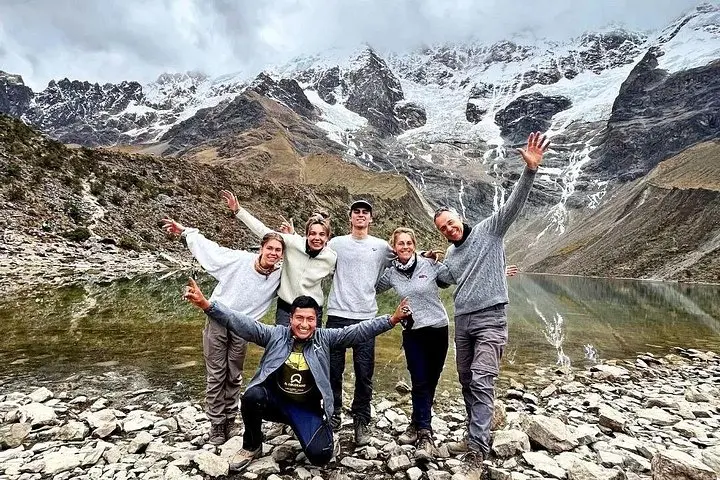
Before dawn the bus from Cusco threads Andean switchbacks and a cold wind pushes at the windows like a prompt. By first light the trail opens onto the moraine-strewn slopes below Salkantay, where a braided skyline of snow and rock commands every step.
Verified experiences and guided adventures in the surrounding area.
Operated by Dreamy Tours · Cusco, Cusco Region
Before dawn the bus from Cusco threads Andean switchbacks and a cold wind pushes at the windows like a prompt. By first light the trail opens onto the moraine-strewn slopes below Salkantay, where a braided skyline of snow and rock commands every step.
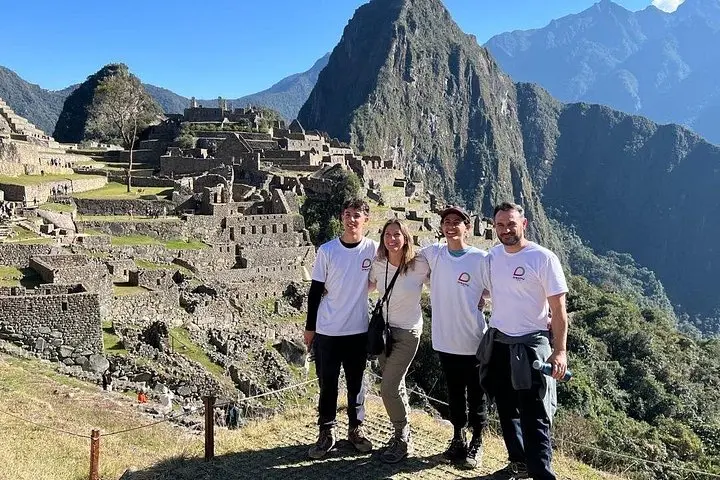
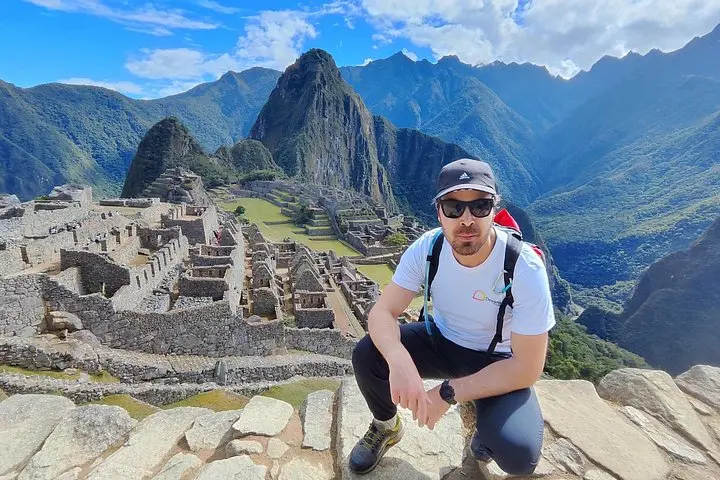
The route crosses dramatic ecological zones: puna grasslands at 3,700–4,600 m, then a long descent into humid cloud forest and coffee plantations before the final approach to Machu Picchu. Geologically the trek traces steep glacial valleys carved by Pleistocene ice; weathered granite and volcanic intrusions frame the pass. Culturally the route skirts Inca terraces and ancient waystations—Llactapata offers a direct, quieter view of Machu Picchu and the Vilcanota canyon, a reminder that this landscape has moved people and trade for centuries.
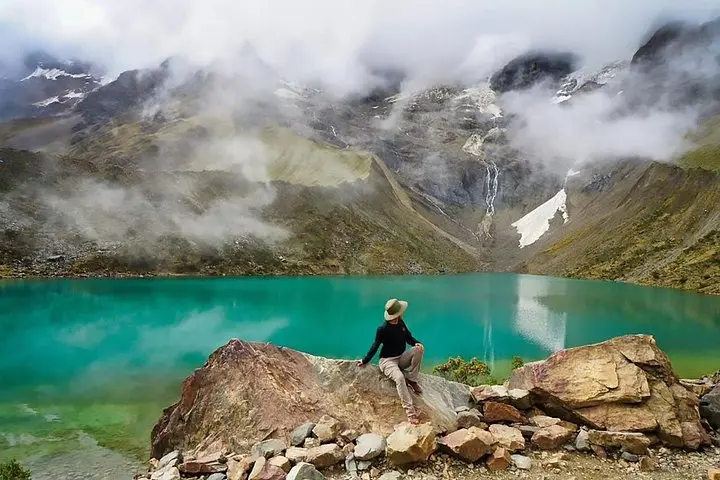
Expect long days: the Salkantay Pass reaches ~4,600 m, with a single day of 10–11 hours of walking on varied terrain—rocky highland paths, steep switchbacks, and muddy jungle tracks. Guides handle camping and logistics; muleteers can carry up to 7 kg per person. Humantay Lake is a popular optional side trip on day one; the lower sections around Lucmabamba showcase orchid-rich cloud forest and hummingbirds.
Practical guidance: pace conservatively for altitude, sleep well in Cusco beforehand, layer for sharp temperature swings, and budget time for the Hydroelectric to Aguas Calientes stretch. Carry water, a warm sleeping bag rated to at least -5°C, and lightweight rain protection—storms can move in fast. Respect local communities, pack out waste, and be ready for mosquitoes in the lower valleys.
Salkantay routes do not require the Inca Trail permit, but entry to Machu Picchu must be purchased and timed in advance; guides generally handle entrance logistics.
Altitude risk is real—pass heights near 4,600 m—so acclimatize in Cusco, ascend slowly, hydrate, and report symptoms to your guide immediately.
No prior camping experience is needed; the operator provides tents, dining setup and a support crew, though basic comfort with shared facilities is expected.
Yes—Humantay Lake is a common half‑day add-on on day one and Santa Teresa hot springs are an optional excursion near Lucmabamba, often arranged by guides for an extra fee.
Dreamy Tours operates guided outdoor trips and adventures with an emphasis on safety, stewardship, and memorable experiences.
Before dawn the bus from Cusco threads Andean switchbacks and a cold wind pushes at the windows like a prompt. By first light the trail opens onto the moraine-strewn slopes below Salkantay, where a braided skyline of snow and rock commands every step.
Before dawn the bus from Cusco threads Andean switchbacks and a cold wind pushes at the windows like a prompt. By first light the trail opens onto the moraine-strewn slopes below Salkantay, where a braided skyline of snow and rock commands every step.
The route crosses dramatic ecological zones: puna grasslands at 3,700–4,600 m, then a long descent into humid cloud forest and coffee plantations before the final approach to Machu Picchu. Geologically the trek traces steep glacial valleys carved by Pleistocene ice; weathered granite and volcanic intrusions frame the pass. Culturally the route skirts Inca terraces and ancient waystations—Llactapata offers a direct, quieter view of Machu Picchu and the Vilcanota canyon, a reminder that this landscape has moved people and trade for centuries.
Expect long days: the Salkantay Pass reaches ~4,600 m, with a single day of 10–11 hours of walking on varied terrain—rocky highland paths, steep switchbacks, and muddy jungle tracks. Guides handle camping and logistics; muleteers can carry up to 7 kg per person. Humantay Lake is a popular optional side trip on day one; the lower sections around Lucmabamba showcase orchid-rich cloud forest and hummingbirds.
Practical guidance: pace conservatively for altitude, sleep well in Cusco beforehand, layer for sharp temperature swings, and budget time for the Hydroelectric to Aguas Calientes stretch. Carry water, a warm sleeping bag rated to at least -5°C, and lightweight rain protection—storms can move in fast. Respect local communities, pack out waste, and be ready for mosquitoes in the lower valleys.