THE ADVENTURE COLLECTIVE® · Independent discovery and booking for outdoor travel

A five‑day traverse from high, snow-cut passes to the cloud forest doorsteps of Machu Picchu. This Salkantay itinerary pairs high-altitude challenge with jungle transition and an archaeological finale.
A five‑day traverse from high, snow-cut passes to the cloud forest doorsteps of Machu Picchu. This Salkantay itinerary pairs high-altitude challenge with jungle transition and an archaeological finale.
Dawn breaks above a rim of white peaks and the air bites sweet with cold; one step on the moraine and the Andes answer with a wind that seems intent on testing your pace. On the 5‑day Salkantay route, trekkers move from craggy, glaciated heights down through highland valleys and into humid cloud forest, each day changing the feel of the trail as if the landscape itself is turning a page.
Verified experiences and guided adventures in the surrounding area.
Operated by Howlanders · Cusco, Cusco Region
Dawn breaks above a rim of white peaks and the air bites sweet with cold; one step on the moraine and the Andes answer with a wind that seems intent on testing your pace. On the 5‑day Salkantay route, trekkers move from craggy, glaciated heights down through highland valleys and into humid cloud forest, each day changing the feel of the trail as if the landscape itself is turning a page.
The route crosses terrain once traversed by Inca couriers and skirts archaeological sites like Llactapata, an outpost that offers a first distant view of Machu Picchu. Geologically, the trek threads volcanic remnants and uplifted sedimentary strata carved by millennia of glacial and river action; Salkantay and Humantay show the raw work of ice and time. Culturally, communities along the way speak Quechua, farm potatoes and corn at high elevation, and grow coffee and bananas in lower valleys — a sharp domestic contrast that shows Peru’s vertical climate zones.
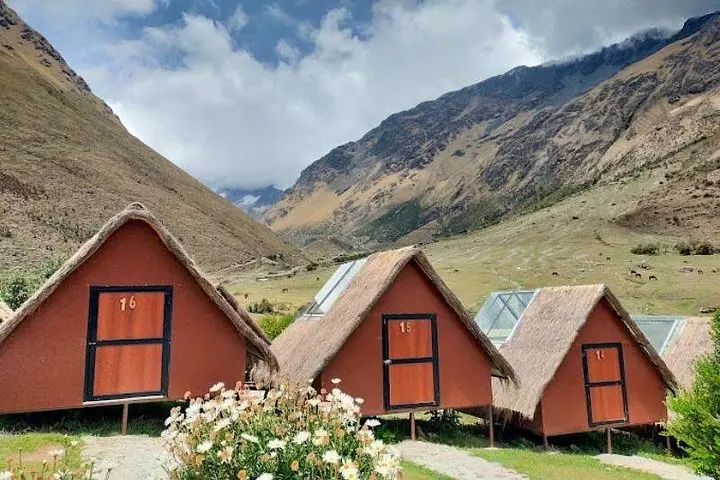
Practically, expect four days of hiking and one day at Machu Picchu. Key numbers: total trekking distances of 10–19 km per day, a highest pass around 4,600 m (15,100 ft), and several long descents into the cloud forest. Guides provide camping and cooks; horses carry up to 5 kg of personal gear. Acclimatize in Cusco, layer for dramatic temperature swings, and plan for wet trails in the lower jungle.
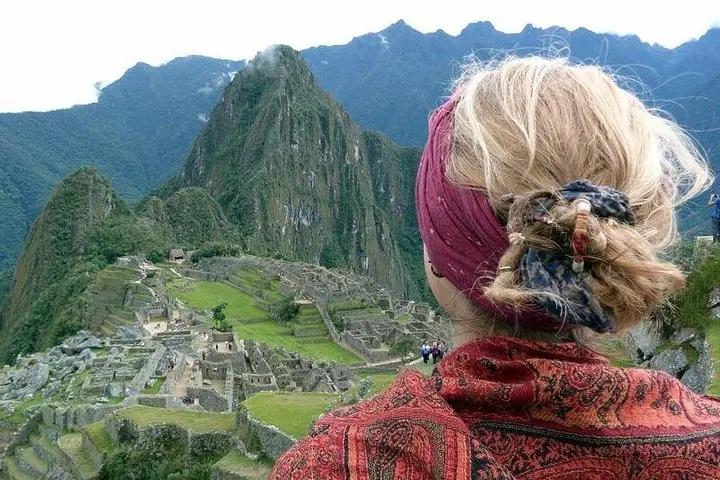
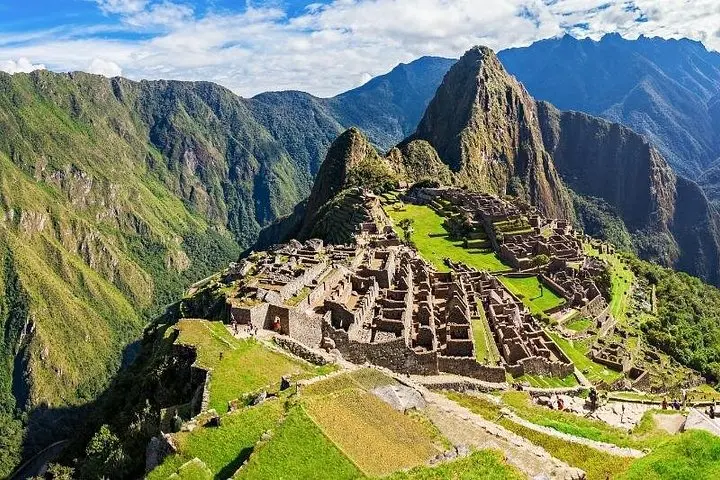
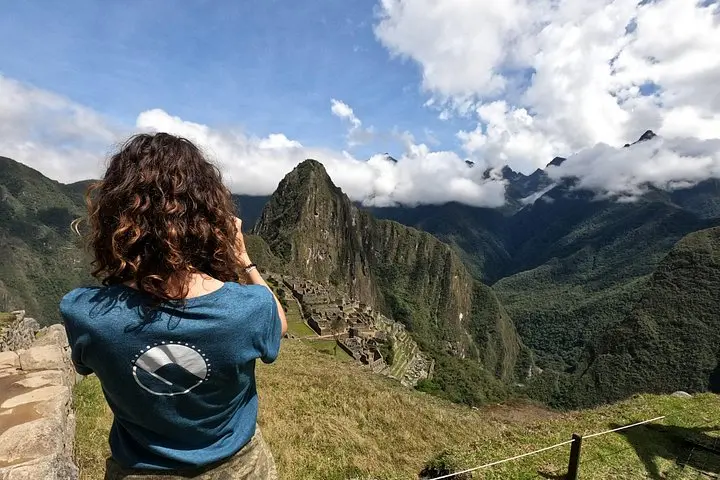
Hydrate early, walk slow on the pass, and save energy for the final climb into Machu Picchu — the payoff is a citadel that rewards effort with history and view.
Options vary; some packages include Machu Picchu entrance and guided tour while others require you to choose/confirm a ticket at booking—check your selected option.
The highest point is around 4,600 m (15,100 ft); altitude sickness is possible—acclimatize in Cusco, hydrate, and ascend slowly.
Horses transport up to 5 kg of personal items in the supplied duffel; you must carry the rest in your daypack, especially on the final section where horses are not allowed.
Dry season (May–September) offers firmer trails and clearer views; expect more rain and muddier lower trails from November to March.
Howlanders operates guided outdoor trips and adventures with an emphasis on safety, stewardship, and memorable experiences.
Dawn breaks above a rim of white peaks and the air bites sweet with cold; one step on the moraine and the Andes answer with a wind that seems intent on testing your pace. On the 5‑day Salkantay route, trekkers move from craggy, glaciated heights down through highland valleys and into humid cloud forest, each day changing the feel of the trail as if the landscape itself is turning a page.
Dawn breaks above a rim of white peaks and the air bites sweet with cold; one step on the moraine and the Andes answer with a wind that seems intent on testing your pace. On the 5‑day Salkantay route, trekkers move from craggy, glaciated heights down through highland valleys and into humid cloud forest, each day changing the feel of the trail as if the landscape itself is turning a page.
The route crosses terrain once traversed by Inca couriers and skirts archaeological sites like Llactapata, an outpost that offers a first distant view of Machu Picchu. Geologically, the trek threads volcanic remnants and uplifted sedimentary strata carved by millennia of glacial and river action; Salkantay and Humantay show the raw work of ice and time. Culturally, communities along the way speak Quechua, farm potatoes and corn at high elevation, and grow coffee and bananas in lower valleys — a sharp domestic contrast that shows Peru’s vertical climate zones.
Practically, expect four days of hiking and one day at Machu Picchu. Key numbers: total trekking distances of 10–19 km per day, a highest pass around 4,600 m (15,100 ft), and several long descents into the cloud forest. Guides provide camping and cooks; horses carry up to 5 kg of personal gear. Acclimatize in Cusco, layer for dramatic temperature swings, and plan for wet trails in the lower jungle.
Hydrate early, walk slow on the pass, and save energy for the final climb into Machu Picchu — the payoff is a citadel that rewards effort with history and view.