THE ADVENTURE COLLECTIVE® · Independent discovery and booking for outdoor travel

A high-altitude alternative to the Inca Trail, the five-day Salkantay Trek moves from glaciated passes into cloud forest before delivering you to Machu Picchu. Expect steep climbs, varied ecosystems, camping comfort and essential guide support.
A high-altitude alternative to the Inca Trail, the five-day Salkantay Trek moves from glaciated passes into cloud forest before delivering you to Machu Picchu. Expect steep climbs, varied ecosystems, camping comfort and essential guide support.
Dawn slices through a thin mountain air as the bus winds out of Cusco, the Andes rising like a weathered wall ahead. On day one you step into that wall—salt-and-stone Salkantay dominating the skyline while the trail drops briefly into high puna, then climbs to ice-smudged passes where the wind insists you move forward.
Verified experiences and guided adventures in the surrounding area.
Operated by Andes Peru Tour & Adventure · Cusco, Cusco
Dawn slices through a thin mountain air as the bus winds out of Cusco, the Andes rising like a weathered wall ahead. On day one you step into that wall—salt-and-stone Salkantay dominating the skyline while the trail drops briefly into high puna, then climbs to ice-smudged passes where the wind insists you move forward.
The Salkantay route follows paths older than modern maps: mule tracks, Inca-era corridors and jungle railbeds that feed the Vilcanota watershed. Geology shifts dramatically over five days—granite peaks and glaciers at 4,600 m give way to cloud-forests alive with orchids and bromeliads, before the ancient terraces and stonework of the Vilcabamba foothills hint at Andean cultural continuity. Local Quechua villages still organize around seasonal agriculture and hospitality; cooks and muleteers bring an essential human rhythm to the trek.
Practically, expect sustained altitude gain, a full day over 4,000–4,600 m, and varied terrain from rocky passes to muddy jungle trails. Nights are camping or basic lodges, with one hostel night in Aguas Calientes. Guides handle logistics—meals, porters/horse support, and permits to Machu Picchu—so your focus can be on pacing and acclimatization.
Bring layered insulation, a sturdy waterproof boot, water purification, and a plan for altitude: sleep, hydrate, and move deliberately. Start acclimatizing in Cusco for 48 hours if you can. Time your Machu Picchu visit early (entry around sunrise is common) to avoid crowds and the afternoon storms. The Salkantay is a study in contrasts—glacial cold one day, jungle heat the next—and it rewards hikers who pair curiosity with careful preparation.
Salkantay is longer and higher in places—more remote with greater elevation change—so it’s generally more physically demanding but less crowded and does not require Inca Trail permits.
Most operators include horses or porters for gear; expect to carry a daypack with personal items and essentials while staff handle heavy loads.
Yes—entrance to Machu Picchu is ticketed and the operator should include entrance fees and the train down to Ollantaytambo in the package.
You can, but it’s not recommended; spend 48 hours in Cusco or consider an extra acclimatization day before starting to reduce risk of altitude sickness.
Andes Peru Tour & Adventure operates guided outdoor trips and adventures with an emphasis on safety, stewardship, and memorable experiences.
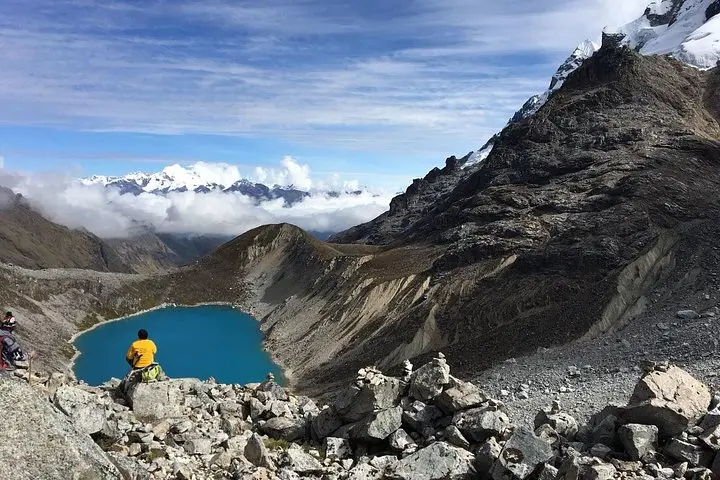
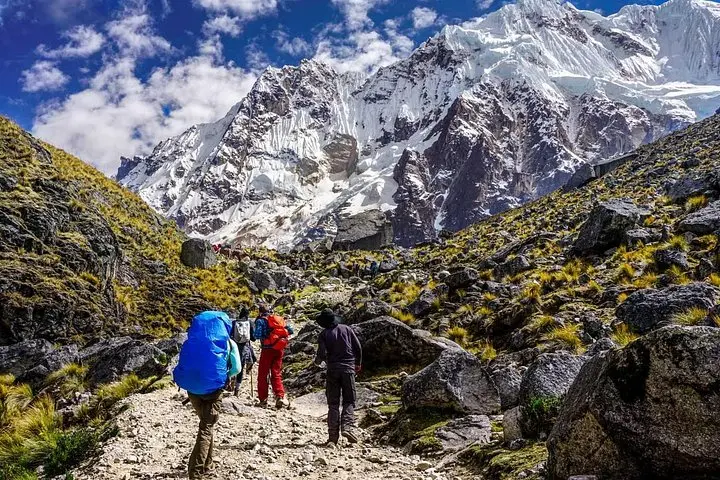
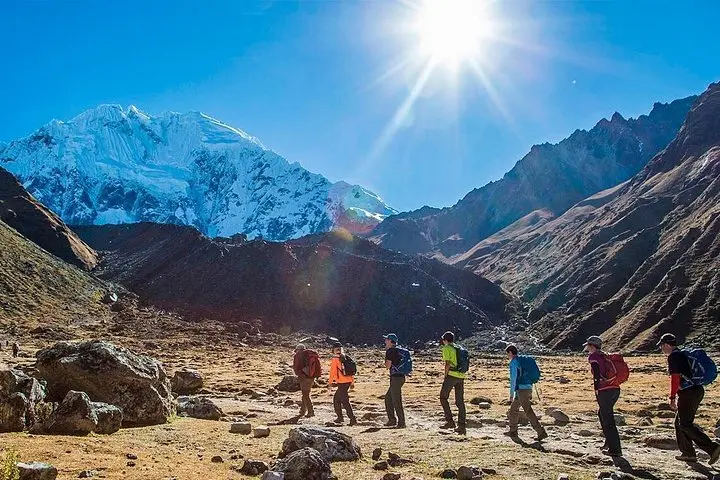
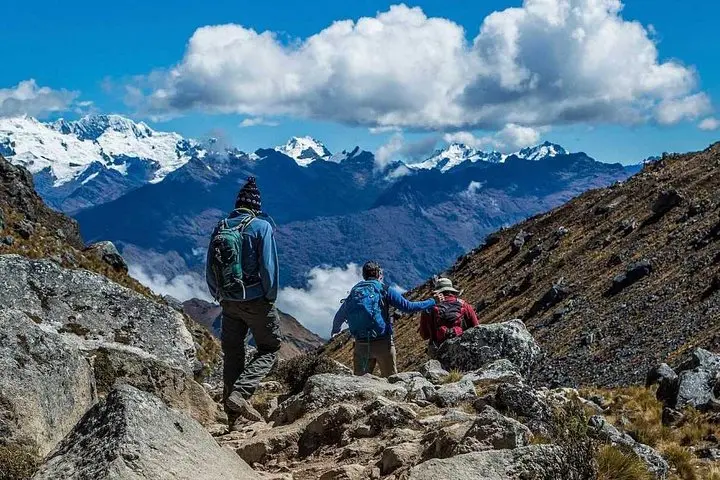
Dawn slices through a thin mountain air as the bus winds out of Cusco, the Andes rising like a weathered wall ahead. On day one you step into that wall—salt-and-stone Salkantay dominating the skyline while the trail drops briefly into high puna, then climbs to ice-smudged passes where the wind insists you move forward.
Dawn slices through a thin mountain air as the bus winds out of Cusco, the Andes rising like a weathered wall ahead. On day one you step into that wall—salt-and-stone Salkantay dominating the skyline while the trail drops briefly into high puna, then climbs to ice-smudged passes where the wind insists you move forward.
The Salkantay route follows paths older than modern maps: mule tracks, Inca-era corridors and jungle railbeds that feed the Vilcanota watershed. Geology shifts dramatically over five days—granite peaks and glaciers at 4,600 m give way to cloud-forests alive with orchids and bromeliads, before the ancient terraces and stonework of the Vilcabamba foothills hint at Andean cultural continuity. Local Quechua villages still organize around seasonal agriculture and hospitality; cooks and muleteers bring an essential human rhythm to the trek.
Practically, expect sustained altitude gain, a full day over 4,000–4,600 m, and varied terrain from rocky passes to muddy jungle trails. Nights are camping or basic lodges, with one hostel night in Aguas Calientes. Guides handle logistics—meals, porters/horse support, and permits to Machu Picchu—so your focus can be on pacing and acclimatization.
Bring layered insulation, a sturdy waterproof boot, water purification, and a plan for altitude: sleep, hydrate, and move deliberately. Start acclimatizing in Cusco for 48 hours if you can. Time your Machu Picchu visit early (entry around sunrise is common) to avoid crowds and the afternoon storms. The Salkantay is a study in contrasts—glacial cold one day, jungle heat the next—and it rewards hikers who pair curiosity with careful preparation.