THE ADVENTURE COLLECTIVE® · Independent discovery and booking for outdoor travel

A five-day alternative to the classic Inca Trail, the Salkantay Trek crosses a 4,630 m pass, moves from Andean tundra into cloud forest, and delivers a dramatic entry to Machu Picchu. Expect big climbs, glacier views, and a jungle finish.
A five-day alternative to the classic Inca Trail, the Salkantay Trek crosses a 4,630 m pass, moves from Andean tundra into cloud forest, and delivers a dramatic entry to Machu Picchu. Expect big climbs, glacier views, and a jungle finish.
Dawn finds you at Soraypampa with the glacier of Salkantay looming like a white wall above the trail. Cold air bites the cheeks, and a steady stream of hikers and mule trains wind toward the high pass; the trail is at once raw and deliberate, alternating between tundra above tree line and humid, green valleys that smell of wet earth.
Verified experiences and guided adventures in the surrounding area.
Operated by IZI PERU · Cusco, Cusco
Dawn finds you at Soraypampa with the glacier of Salkantay looming like a white wall above the trail. Cold air bites the cheeks, and a steady stream of hikers and mule trains wind toward the high pass; the trail is at once raw and deliberate, alternating between tundra above tree line and humid, green valleys that smell of wet earth.
The Salkantay route is older than the tourist maps—anchored by Salkantay (an Apu, a sacred mountain to the Inca) and threaded into the empire’s network of paths. Geologically the trek traces uplifted Andean ranges, moraine-fed lakes (Humantay among them), then drops through cloud forest into the upper Amazon watershed before the final approach to Llactapata and the ancient terraces overlooking Machu Picchu.
Travelers should expect steep ascents (the pass tops near 4,630 m), long downhill stretches, and a dramatic microclimate change from alpine cold to humid jungle within days. Camps are basic mountain accommodations; food is included on the itinerary, and a local guide leads historical and archaeological context at Llactapata and Machu Picchu.
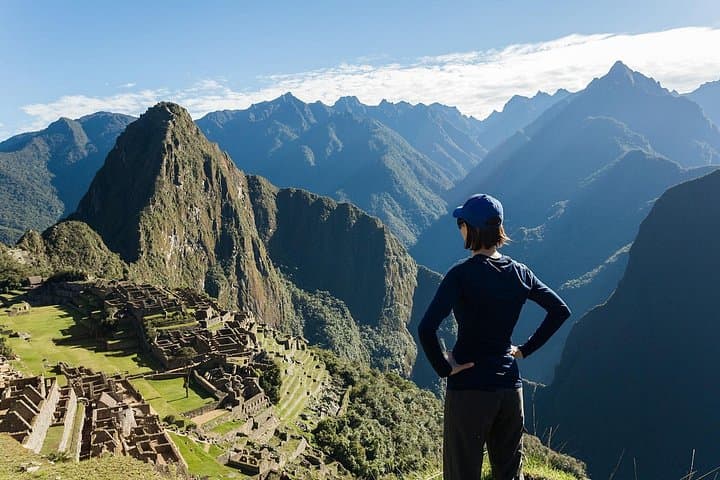
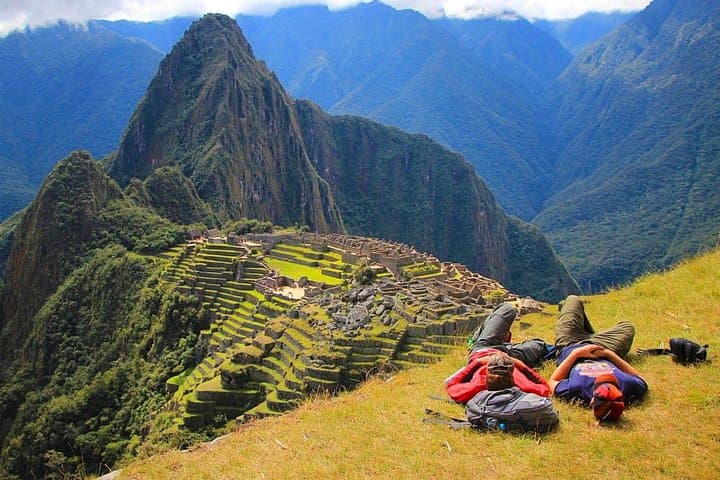
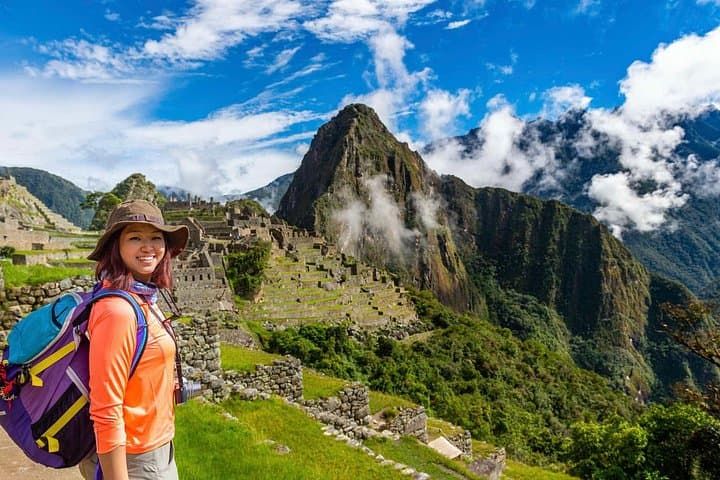
Practically: acclimatize in Cusco for 48 hours, carry layered insulation and rain protection, and plan for muddy sections after rain. Boots with good ankle support, water treatment, and altitude-aware pacing make the difference between a gruelling slog and a memorable high-mountain journey. The route rewards effort with glacier views, jungle bursts of orchids and hummingbirds, and the final reveal of the Lost City of the Incas.
This offering includes entrance to Machu Picchu Citadel, but circuit availability can vary; if Circuit #2 is unavailable you may need to hire a guide at the site.
The ascent to Abra Salkantay is long and steep—plan for 3–4 hours of steady uphill, take breaks, and monitor altitude symptoms closely.
Light overnight packs are required for trekking; most operators provide a secure place in Cusco for excess luggage and mule support for main gear if arranged.
If tickets aren’t available online, you may need to attempt purchase in Aguas Calientes the day before or extend your stay—both carry the risk of sold-out slots and extra cost.
IZI PERU operates guided outdoor trips and adventures with an emphasis on safety, stewardship, and memorable experiences.

Dawn finds you at Soraypampa with the glacier of Salkantay looming like a white wall above the trail. Cold air bites the cheeks, and a steady stream of hikers and mule trains wind toward the high pass; the trail is at once raw and deliberate, alternating between tundra above tree line and humid, green valleys that smell of wet earth.
Dawn finds you at Soraypampa with the glacier of Salkantay looming like a white wall above the trail. Cold air bites the cheeks, and a steady stream of hikers and mule trains wind toward the high pass; the trail is at once raw and deliberate, alternating between tundra above tree line and humid, green valleys that smell of wet earth.
The Salkantay route is older than the tourist maps—anchored by Salkantay (an Apu, a sacred mountain to the Inca) and threaded into the empire’s network of paths. Geologically the trek traces uplifted Andean ranges, moraine-fed lakes (Humantay among them), then drops through cloud forest into the upper Amazon watershed before the final approach to Llactapata and the ancient terraces overlooking Machu Picchu.
Travelers should expect steep ascents (the pass tops near 4,630 m), long downhill stretches, and a dramatic microclimate change from alpine cold to humid jungle within days. Camps are basic mountain accommodations; food is included on the itinerary, and a local guide leads historical and archaeological context at Llactapata and Machu Picchu.
Practically: acclimatize in Cusco for 48 hours, carry layered insulation and rain protection, and plan for muddy sections after rain. Boots with good ankle support, water treatment, and altitude-aware pacing make the difference between a gruelling slog and a memorable high-mountain journey. The route rewards effort with glacier views, jungle bursts of orchids and hummingbirds, and the final reveal of the Lost City of the Incas.