THE ADVENTURE COLLECTIVE® · Independent discovery and booking for outdoor travel

A five-day alternative to the classic Inca Trail that climbs to the Salkantay pass (4,650 m) before descending through cloud forest to Machu Picchu. Expect alpine saddles, jungle paths, and three nights of campsite huts with a hotel night in Aguas Calientes.
A five-day alternative to the classic Inca Trail that climbs to the Salkantay pass (4,650 m) before descending through cloud forest to Machu Picchu. Expect alpine saddles, jungle paths, and three nights of campsite huts with a hotel night in Aguas Calientes.
You step out before sunrise in Cusco and the van eats the dark as Andean peaks sharpen into silhouette. By late morning the trail opens into wide puna, then a rocky saddle — the Abra Salkantay — where wind pushes at you and the snowy massif seems to watch each footfall.
Verified experiences and guided adventures in the surrounding area.
Operated by Peru Adventure Trek · Cusco, Cusco Region
You step out before sunrise in Cusco and the van eats the dark as Andean peaks sharpen into silhouette. By late morning the trail opens into wide puna, then a rocky saddle — the Abra Salkantay — where wind pushes at you and the snowy massif seems to watch each footfall.
This five-day route follows the famous Salkantay corridor, an established alternative to the classic Inca Trail that crosses high alpine passes (up to ~4,650 m/15,250 ft) before dropping into cloud forest and jungle. Geologically, the route moves from uplifted granitic ridges and glacial cirques near Humantay Lagoon to volcanic soils and river-cut canyons in the eastern slopes. Culturally, you pass Andean hamlets and coffee farms; local guides often explain seasonal planting, traditional use of medicinal plants, and Inca-era waystations such as Llactapata, where stonework hints at the empire’s reach.
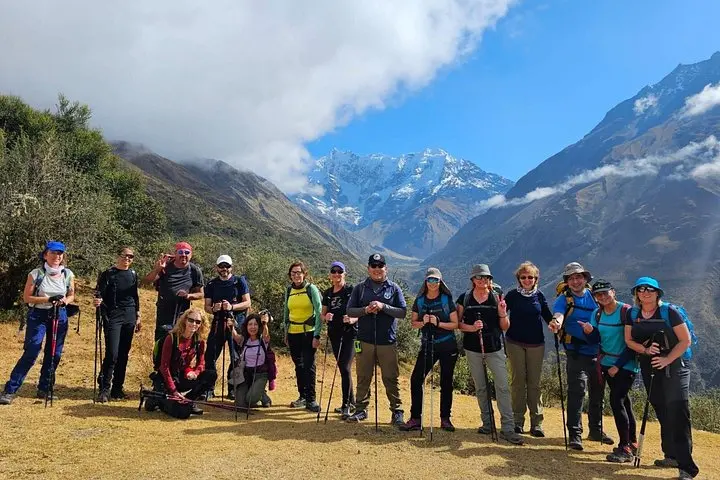
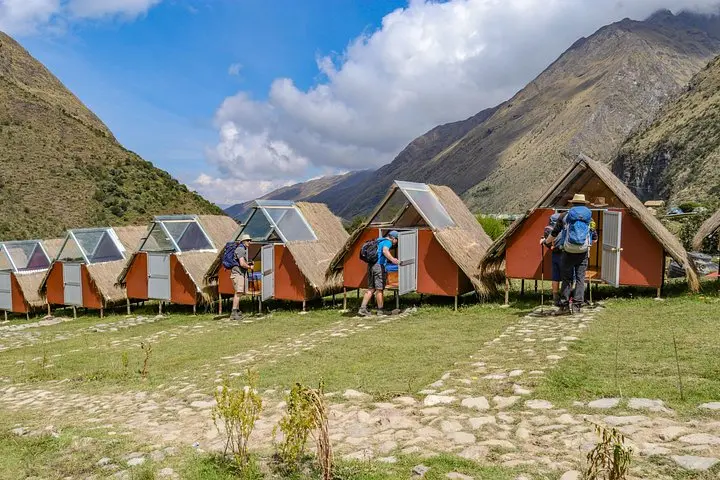
Expect mixed terrain: rocky switchbacks, steep ascents and descents, muddy jungle trails, and several river crossings. You’ll camp three nights in Andean huts, spend a night in Aguas Calientes, and visit Machu Picchu on day five (site entry and train back are arranged). Total distance is roughly 60–70 km over five days, with daily hikes of 4–8 hours.
Practical tips: acclimatize in Cusco for 2–3 days, bring layered insulation for 4,000+m nights, carry water capacity and electrolyte tablets, and use sturdy waterproof boots. Weather changes quickly — sun, wind, and rain can visit in a single day — so pack rain protection and plan conservative pacing to protect breathing and knees. With basic stamina and preparation, this trek rewards you with high mountain panoramas and a dramatic approach to Machu Picchu.
This itinerary includes entrance to Machu Picchu and train tickets back to Cusco as listed in the inclusions.
You don’t need prior extreme-altitude experience, but you should be acclimatized and have moderate fitness due to sustained climbs above 4,000 m.
Yes — on day 4 there’s an option to take a train from Hidroeléctrica to Aguas Calientes for an extra fee instead of walking.
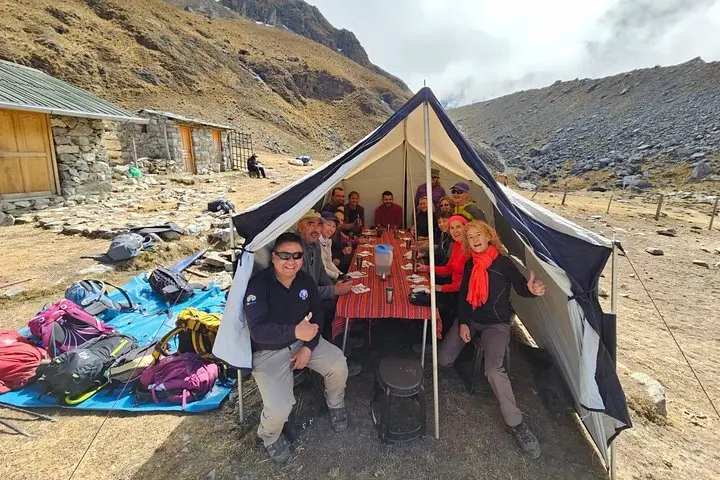
Yes — camping equipment, inflatable mats, dining and cooking tents, and Andean hut accommodations for three nights are provided by the operator.
Peru Adventure Trek operates guided outdoor trips and adventures with an emphasis on safety, stewardship, and memorable experiences.
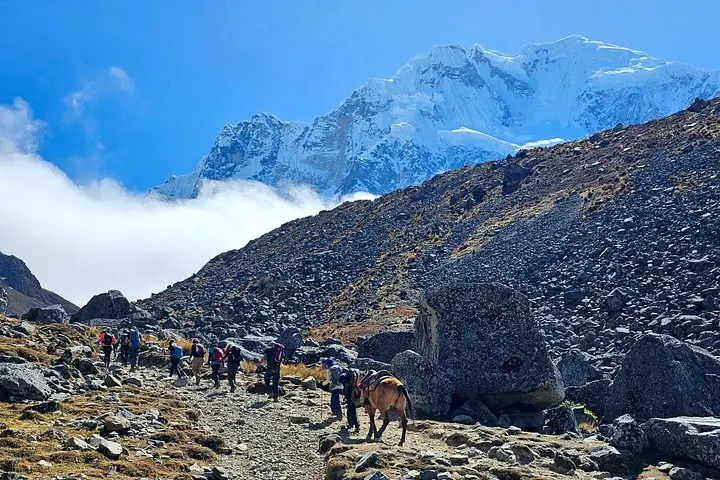
You step out before sunrise in Cusco and the van eats the dark as Andean peaks sharpen into silhouette. By late morning the trail opens into wide puna, then a rocky saddle — the Abra Salkantay — where wind pushes at you and the snowy massif seems to watch each footfall.
You step out before sunrise in Cusco and the van eats the dark as Andean peaks sharpen into silhouette. By late morning the trail opens into wide puna, then a rocky saddle — the Abra Salkantay — where wind pushes at you and the snowy massif seems to watch each footfall.
This five-day route follows the famous Salkantay corridor, an established alternative to the classic Inca Trail that crosses high alpine passes (up to ~4,650 m/15,250 ft) before dropping into cloud forest and jungle. Geologically, the route moves from uplifted granitic ridges and glacial cirques near Humantay Lagoon to volcanic soils and river-cut canyons in the eastern slopes. Culturally, you pass Andean hamlets and coffee farms; local guides often explain seasonal planting, traditional use of medicinal plants, and Inca-era waystations such as Llactapata, where stonework hints at the empire’s reach.
Expect mixed terrain: rocky switchbacks, steep ascents and descents, muddy jungle trails, and several river crossings. You’ll camp three nights in Andean huts, spend a night in Aguas Calientes, and visit Machu Picchu on day five (site entry and train back are arranged). Total distance is roughly 60–70 km over five days, with daily hikes of 4–8 hours.
Practical tips: acclimatize in Cusco for 2–3 days, bring layered insulation for 4,000+m nights, carry water capacity and electrolyte tablets, and use sturdy waterproof boots. Weather changes quickly — sun, wind, and rain can visit in a single day — so pack rain protection and plan conservative pacing to protect breathing and knees. With basic stamina and preparation, this trek rewards you with high mountain panoramas and a dramatic approach to Machu Picchu.