THE ADVENTURE COLLECTIVE® · Independent discovery and booking for outdoor travel

A 5-day crossing from high Andean passes down into the cloud forest, the Salkantay Trek delivers glaciated peaks, jungle descents and a sunrise visit to Machu Picchu. This practical guide explains what to expect on trail, cultural highlights, and how to prepare for altitude and variable weather.
A 5-day crossing from high Andean passes down into the cloud forest, the Salkantay Trek delivers glaciated peaks, jungle descents and a sunrise visit to Machu Picchu. This practical guide explains what to expect on trail, cultural highlights, and how to prepare for altitude and variable weather.
A dawn bus leaves Cusco and the road unwinds into puna grasslands; by mid-morning you’re stepping onto a trail that climbs beneath Salkantay’s sheer, glaciated face. Cold wind pushes at your jacket on the high pass, then the route drops through cloud forest into a jungle that smells of wet earth and citrus. The landscape here moves fast—alpine rock giving way to orchids and palms over the course of a single day.
Verified experiences and guided adventures in the surrounding area.
Operated by Valencia Travel Agency S.a.c. · Cusco, Cusco Region
A dawn bus leaves Cusco and the road unwinds into puna grasslands; by mid-morning you’re stepping onto a trail that climbs beneath Salkantay’s sheer, glaciated face. Cold wind pushes at your jacket on the high pass, then the route drops through cloud forest into a jungle that smells of wet earth and citrus. The landscape here moves fast—alpine rock giving way to orchids and palms over the course of a single day.
The route traces pre-Hispanic corridors and modern mule tracks rather than the restricted Inca Trail. Salkantay (one of the highest peaks in the Vilcabamba range) shapes local weather and water sources, feeding springs that sustained Andean communities for centuries. Llactapata, an overlooked Inca site on day four, offers a first-line view of Machu Picchu from across the Urubamba gorge and reinforces the region’s blend of engineering and ecology.
Expect varied terrain: rocky high passes near 4,650 m, steep descents into cloud forest, river crossings and muddy sections after rain. Cultural touchpoints include coca and coffee plantations as you descend, and small Andean villages where Quechua is commonly spoken.
Practical guidance: acclimatize in Cusco for 48 hours if possible; carry layers for sub-zero mornings and hot afternoons; use trekking poles for steep, loose descents; plan for wet conditions in the jungle stretch. Guides typically provide camping gear, cooks and porters—pack a small daypack with essentials, and reserve energy for the final climb and the guided Machu Picchu visit at sunrise.
No—Salkantay does not require the same limited permits as the Classic Inca Trail, but you must have a Machu Picchu entry ticket for day five and book with a licensed operator.
The pass reaches about 4,650 m; altitude sickness is possible—acclimatize in Cusco, ascend slowly, hydrate, and notify guides if symptoms worsen (oxygen and first-aid are commonly carried).
Yes—commercial operators typically provide tents, sleeping mattresses, a dining tent, hot meals, a cook and horsemen/mules to carry group equipment; personal porter allowance is often included for light luggage.
Most tours include a tourist train from Aguas Calientes to Ollantaytambo and bus/transfer back to Cusco; train schedules can change, and upgrades to Vistadome are sometimes available.
Valencia Travel Agency S.a.c. operates guided outdoor trips and adventures with an emphasis on safety, stewardship, and memorable experiences.
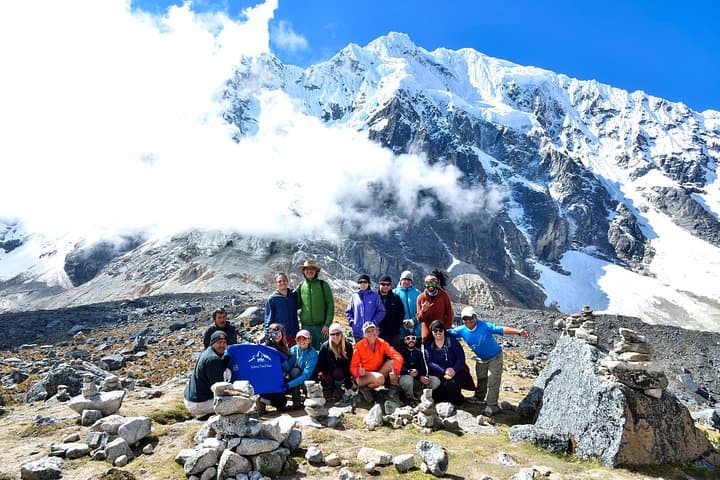


A dawn bus leaves Cusco and the road unwinds into puna grasslands; by mid-morning you’re stepping onto a trail that climbs beneath Salkantay’s sheer, glaciated face. Cold wind pushes at your jacket on the high pass, then the route drops through cloud forest into a jungle that smells of wet earth and citrus. The landscape here moves fast—alpine rock giving way to orchids and palms over the course of a single day.
A dawn bus leaves Cusco and the road unwinds into puna grasslands; by mid-morning you’re stepping onto a trail that climbs beneath Salkantay’s sheer, glaciated face. Cold wind pushes at your jacket on the high pass, then the route drops through cloud forest into a jungle that smells of wet earth and citrus. The landscape here moves fast—alpine rock giving way to orchids and palms over the course of a single day.
The route traces pre-Hispanic corridors and modern mule tracks rather than the restricted Inca Trail. Salkantay (one of the highest peaks in the Vilcabamba range) shapes local weather and water sources, feeding springs that sustained Andean communities for centuries. Llactapata, an overlooked Inca site on day four, offers a first-line view of Machu Picchu from across the Urubamba gorge and reinforces the region’s blend of engineering and ecology.
Expect varied terrain: rocky high passes near 4,650 m, steep descents into cloud forest, river crossings and muddy sections after rain. Cultural touchpoints include coca and coffee plantations as you descend, and small Andean villages where Quechua is commonly spoken.
Practical guidance: acclimatize in Cusco for 48 hours if possible; carry layers for sub-zero mornings and hot afternoons; use trekking poles for steep, loose descents; plan for wet conditions in the jungle stretch. Guides typically provide camping gear, cooks and porters—pack a small daypack with essentials, and reserve energy for the final climb and the guided Machu Picchu visit at sunrise.