THE ADVENTURE COLLECTIVE® · Independent discovery and booking for outdoor travel

A demanding 5-day alternative to the Inca Trail, the Salkantay Trek climbs high passes, descends into cloud forest and finishes with sunrise at Machu Picchu. Plan for high-altitude days, varied terrain and camping at remote sites.
A demanding 5-day alternative to the Inca Trail, the Salkantay Trek climbs high passes, descends into cloud forest and finishes with sunrise at Machu Picchu. Plan for high-altitude days, varied terrain and camping at remote sites.
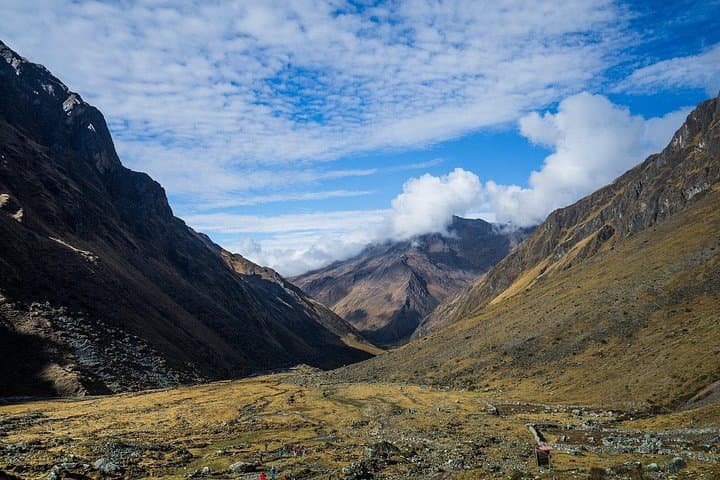
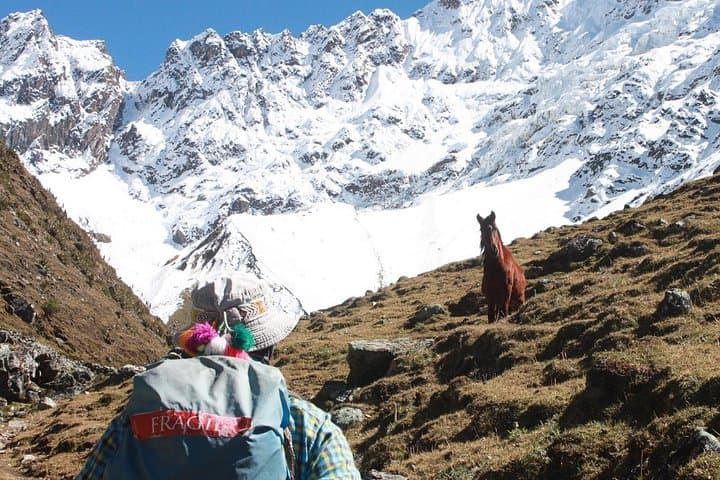
You shoulder your pack before dawn in Cusco and the city slips behind you, adobe roofs melting into terraced slopes. The trail climbs through puna grass and wind-scraped rock, the Salkantay massif looming like an unmoving storm cloud — snow and silence daring you onward. By day two you crest the Salkantay Pass and the air thins; the mountains feel sentient, slopes shedding storms and directing rivers toward the jungle.
Verified experiences and guided adventures in the surrounding area.
Operated by Happy Gringo Tours · Aguas Calientes (Machu Picchu Pueblo), Cusco
You shoulder your pack before dawn in Cusco and the city slips behind you, adobe roofs melting into terraced slopes. The trail climbs through puna grass and wind-scraped rock, the Salkantay massif looming like an unmoving storm cloud — snow and silence daring you onward. By day two you crest the Salkantay Pass and the air thins; the mountains feel sentient, slopes shedding storms and directing rivers toward the jungle.
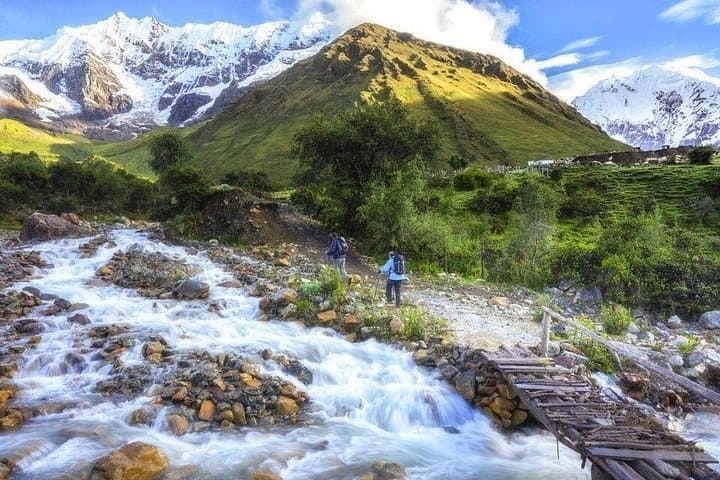
This route follows pre-Inca and Inca-era corridors used for trade and pilgrimage, cutting through stark glacial geology into warm, humid cloud forest. Humantay’s turquoise lake and the floral riot of the lower valleys are reminders that the Andes contain stark ecological shifts over short distances. Local Quechua communities still cultivate corn, coffee and fruits in the cloud forest; you’ll pass small settlements where old stonework meets modern terraces.
Expect varied terrain: sustained ascents, rocky passes, steep descents and river valleys. Nights alternate between high Puna camps (4,000 m) and warmer jungle camps; temperatures swing dramatically. Guides provide meals and logistics but acclimatization before the trek is essential. Hydrate, pace your ascent, and bring layered clothing and a good sleeping system — the cold at altitude is real.
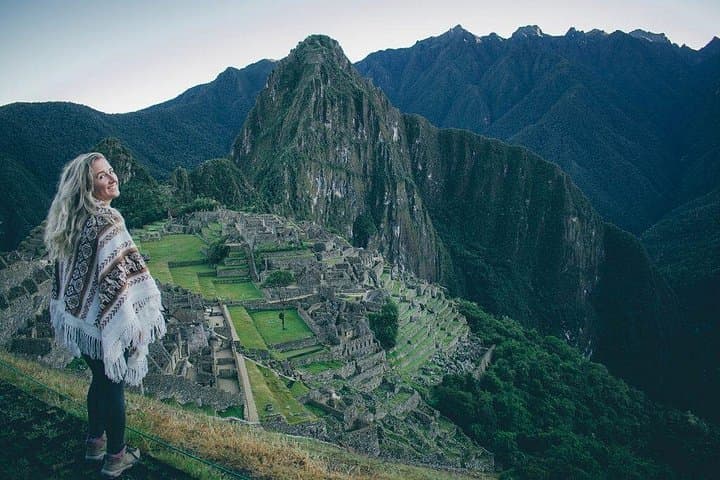
On the fifth day an early bus carries you into Machu Picchu at sunrise; the citadel’s terraces and curved walls reward the climb. This trek is for hikers who want a tougher, more solitary alternative to the classic Inca Trail, combining geology, culture and long days on the trail.
No special archaeological permit is required for the Salkantay route itself, but Machu Picchu entry tickets are mandatory and should be booked in advance.
It’s the longest and steepest day with sustained altitude around 4,500 m; expect 6–10 hours of strenuous hiking and thin air.
Fit beginners with prior multi-day hike experience and good acclimatization can attempt it, but the itinerary is rated challenging due to altitude and long days.
Camping is standard for the first four nights with full camp services provided by the operator; the night before Machu Picchu is usually in a hotel in Aguas Calientes.
Happy Gringo Tours operates guided outdoor trips and adventures with an emphasis on safety, stewardship, and memorable experiences.
You shoulder your pack before dawn in Cusco and the city slips behind you, adobe roofs melting into terraced slopes. The trail climbs through puna grass and wind-scraped rock, the Salkantay massif looming like an unmoving storm cloud — snow and silence daring you onward. By day two you crest the Salkantay Pass and the air thins; the mountains feel sentient, slopes shedding storms and directing rivers toward the jungle.
You shoulder your pack before dawn in Cusco and the city slips behind you, adobe roofs melting into terraced slopes. The trail climbs through puna grass and wind-scraped rock, the Salkantay massif looming like an unmoving storm cloud — snow and silence daring you onward. By day two you crest the Salkantay Pass and the air thins; the mountains feel sentient, slopes shedding storms and directing rivers toward the jungle.
This route follows pre-Inca and Inca-era corridors used for trade and pilgrimage, cutting through stark glacial geology into warm, humid cloud forest. Humantay’s turquoise lake and the floral riot of the lower valleys are reminders that the Andes contain stark ecological shifts over short distances. Local Quechua communities still cultivate corn, coffee and fruits in the cloud forest; you’ll pass small settlements where old stonework meets modern terraces.
Expect varied terrain: sustained ascents, rocky passes, steep descents and river valleys. Nights alternate between high Puna camps (4,000 m) and warmer jungle camps; temperatures swing dramatically. Guides provide meals and logistics but acclimatization before the trek is essential. Hydrate, pace your ascent, and bring layered clothing and a good sleeping system — the cold at altitude is real.
On the fifth day an early bus carries you into Machu Picchu at sunrise; the citadel’s terraces and curved walls reward the climb. This trek is for hikers who want a tougher, more solitary alternative to the classic Inca Trail, combining geology, culture and long days on the trail.