THE ADVENTURE COLLECTIVE® · Independent discovery and booking for outdoor travel

A compact, high-altitude route from glacier lakes to Machu Picchu: the four-day Salkantay trek mixes steep passes, cloud forest descent, and a dramatic finish at the Lost City. Read practical details on terrain, timing and preparation.
A compact, high-altitude route from glacier lakes to Machu Picchu: the four-day Salkantay trek mixes steep passes, cloud forest descent, and a dramatic finish at the Lost City. Read practical details on terrain, timing and preparation.
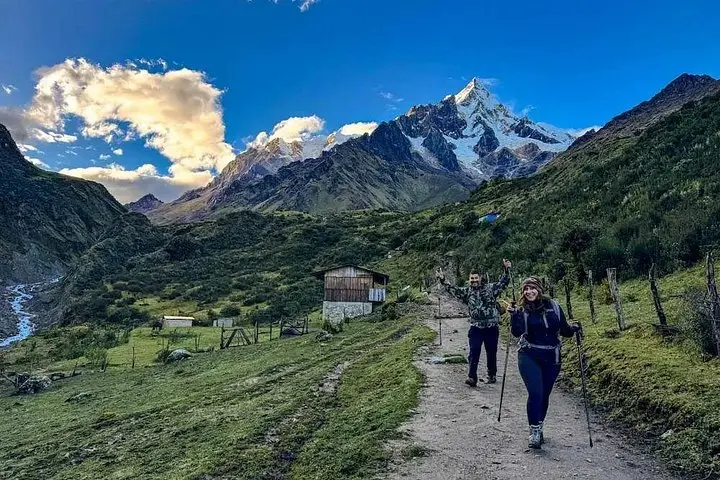
A cold pre-dawn air bites as the van peels away from Cusco and the road climbs toward the glacier-carved valleys. By midmorning hikers step out into a high Andean bowl — wind working like a sculptor against moraine and rock — and the trail threads toward Soraypampa where turquoise Humantay Lake waits above the treeline.
Verified experiences and guided adventures in the surrounding area.
Operated by Inca Jungle Trek | Sap Adventures · Cusco, Cusco Region
A cold pre-dawn air bites as the van peels away from Cusco and the road climbs toward the glacier-carved valleys. By midmorning hikers step out into a high Andean bowl — wind working like a sculptor against moraine and rock — and the trail threads toward Soraypampa where turquoise Humantay Lake waits above the treeline.
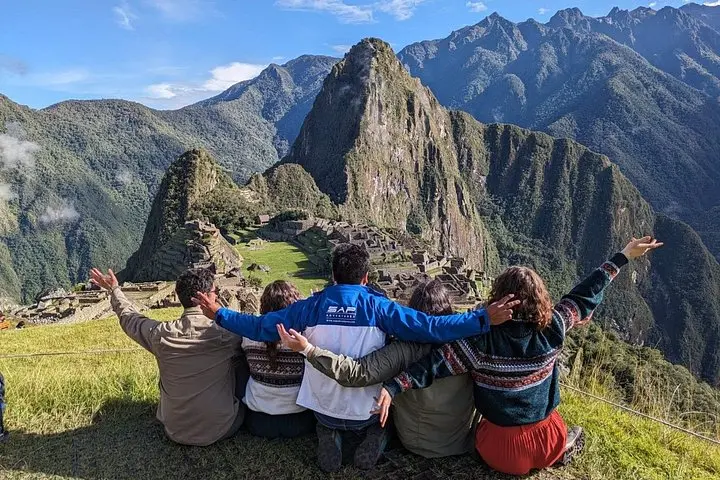
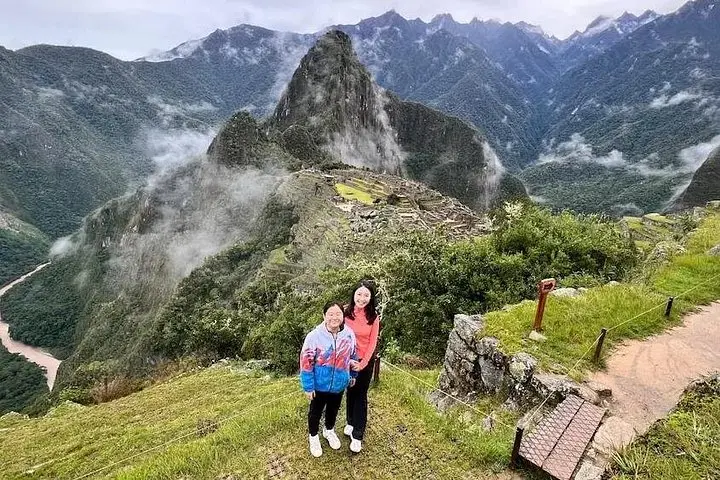
The route follows clear geographic logic: glacier melt and steep ridgelines give way to the jagged Salkantay massif (6,271 m), then descend across puna and cloud forest to the tropical Santa Teresa valley and the Urubamba corridor that cradles Aguas Calientes and Machu Picchu.
This route carries Inca history in stone terraces and ancient water channels; Salkantay itself is an Apu, a mountain spirit still honored along the pass with brief ritual offerings. Geologically, the trek moves from granitic highlands and glacial cirques to humid sandstone canyons where rivers dare you to keep up.
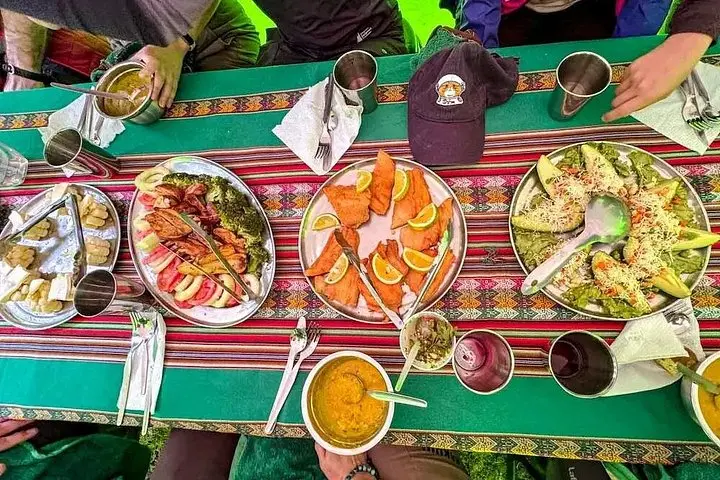
Practically: expect steep, rocky climbs to Salkantay Pass (4,630 m), a 7 km ascent from Soraypampa, and a strenuous descent into the cloud forest. Day 1 includes a 7 km stretch to Soraypampa and a 3 km round-trip to Humantay Lake (4,200 m). The operator provides mountain guides, meals, a sleeping bag, train return options and hotel transfers.
Prepare for altitude, rapid weather shifts, and mixed terrain: break in boots, carry layers, and budget extra time for slow climbs. Hydrate early and plenty, and plan an acclimatization night in Cusco when possible — the mountain rewards those who respect it.
Yes — this operator includes entrance for Humantay Lake and Machu Picchu as part of the itinerary, plus the return Vistadome/360° train option and the Aguas Calientes bus to Machu Picchu.
The Salkantay Pass day is the most strenuous: roughly 7 km of steep, high-altitude climbing to 4,630 m followed by a long descent; go at a steady pace and use trekking poles if needed.
Yes — on day 3 there is an optional train from Hidroeléctrica to Aguas Calientes for an extra fee if you prefer to avoid the final 3-hour riverside walk.
Altitude affects people differently; carry coca leaves or acetazolamide if prescribed, hydrate, eat light meals and communicate symptoms to your guide — they can adjust pace or arrange assistance.
Inca Jungle Trek | Sap Adventures operates guided outdoor trips and adventures with an emphasis on safety, stewardship, and memorable experiences.
A cold pre-dawn air bites as the van peels away from Cusco and the road climbs toward the glacier-carved valleys. By midmorning hikers step out into a high Andean bowl — wind working like a sculptor against moraine and rock — and the trail threads toward Soraypampa where turquoise Humantay Lake waits above the treeline.
A cold pre-dawn air bites as the van peels away from Cusco and the road climbs toward the glacier-carved valleys. By midmorning hikers step out into a high Andean bowl — wind working like a sculptor against moraine and rock — and the trail threads toward Soraypampa where turquoise Humantay Lake waits above the treeline.
The route follows clear geographic logic: glacier melt and steep ridgelines give way to the jagged Salkantay massif (6,271 m), then descend across puna and cloud forest to the tropical Santa Teresa valley and the Urubamba corridor that cradles Aguas Calientes and Machu Picchu.
This route carries Inca history in stone terraces and ancient water channels; Salkantay itself is an Apu, a mountain spirit still honored along the pass with brief ritual offerings. Geologically, the trek moves from granitic highlands and glacial cirques to humid sandstone canyons where rivers dare you to keep up.
Practically: expect steep, rocky climbs to Salkantay Pass (4,630 m), a 7 km ascent from Soraypampa, and a strenuous descent into the cloud forest. Day 1 includes a 7 km stretch to Soraypampa and a 3 km round-trip to Humantay Lake (4,200 m). The operator provides mountain guides, meals, a sleeping bag, train return options and hotel transfers.
Prepare for altitude, rapid weather shifts, and mixed terrain: break in boots, carry layers, and budget extra time for slow climbs. Hydrate early and plenty, and plan an acclimatization night in Cusco when possible — the mountain rewards those who respect it.