THE ADVENTURE COLLECTIVE® · Independent discovery and booking for outdoor travel

A four-day, high-altitude trek that moves from snowfields to jungle and finishes at Machu Picchu. Expect long ascents, cold camps, and a final guided visit at sunrise.
A four-day, high-altitude trek that moves from snowfields to jungle and finishes at Machu Picchu. Expect long ascents, cold camps, and a final guided visit at sunrise.
Dawn cracks over Cusco as the van climbs toward Mollepata and the first teeth of the Vilcanota range come into view. The Salkantay massif holds its snow like a bruise, a silent presence that guides every step as you push from Soraypampa toward Humantay Lake and higher into thin air.
Verified experiences and guided adventures in the surrounding area.
Operated by MachuPicchu Journey · Cusco, Cusco Region
Dawn cracks over Cusco as the van climbs toward Mollepata and the first teeth of the Vilcanota range come into view. The Salkantay massif holds its snow like a bruise, a silent presence that guides every step as you push from Soraypampa toward Humantay Lake and higher into thin air.
This four-day route threads alpine moraine, high puna, and cloud forest before delivering you to the stone thresholds of Machu Picchu. Salkantay (often translated from Quechua as a powerful mountain spirit) is part of the larger Vilcanota range; its glaciers sculpt rivers that cut the Santa Teresa valley and fed the Inca road network centuries ago. Along the trail you’ll pass pastures of llamas, stands of native Polylepis, and lowland plantations of coffee and citrus as elevation collapses into humid jungle.
Culturally the trek crosses living Andean landscapes where guides perform small offerings to the Apus and local communities manage grazing and water. Geologically the route exposes granite and glacial deposits, then soft, verdant soils as you descend into the Amazon watershed.
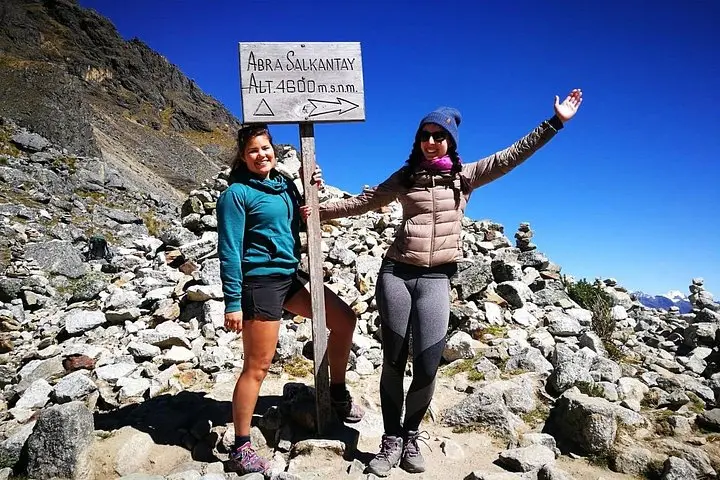
Practical edge: expect a hard ascent to 4,630 m on day two, cold nights at camp, and a humid final day along the Hidroeléctrica tracks. Guides generally carry group camping kit and horses take up to 7 kg of personal gear; bring layers for intense temperature swings, hydrate for altitude, and plan on early wake-ups for the Machu Picchu approach. The payoff is arriving at the citadel at first light, when terraces and ruins wake under clear Andean sky.
Yes—tickets are limited and you must book entry (and any summit Huayna/Machu Picchu permits) in advance; guides typically help secure them but confirm before departure.
The ascent is steep and slow; expect 3–4 hours of continuous uphill with thin air—steady pacing and acclimatization are key.
You carry a daypack with essentials; each hiker is allowed about 7 kg in the group duffel carried by horses as stated in the itinerary.
Yes, if you have recent trekking experience and proper acclimatization—travelers with poor cardiovascular health are not recommended to join.
MachuPicchu Journey operates guided outdoor trips and adventures with an emphasis on safety, stewardship, and memorable experiences.
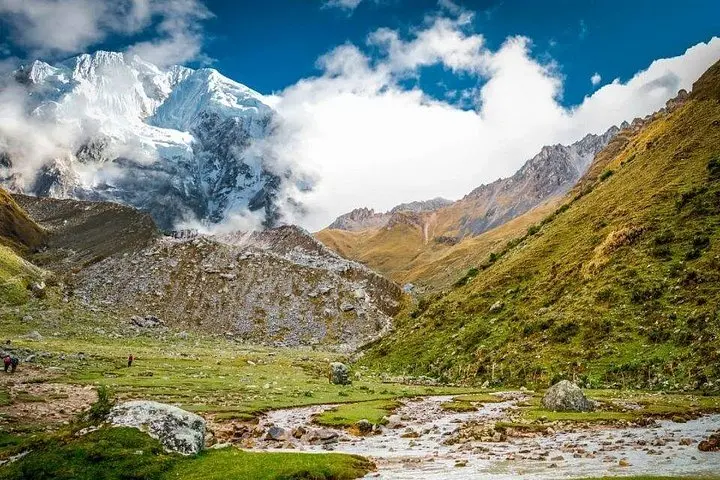
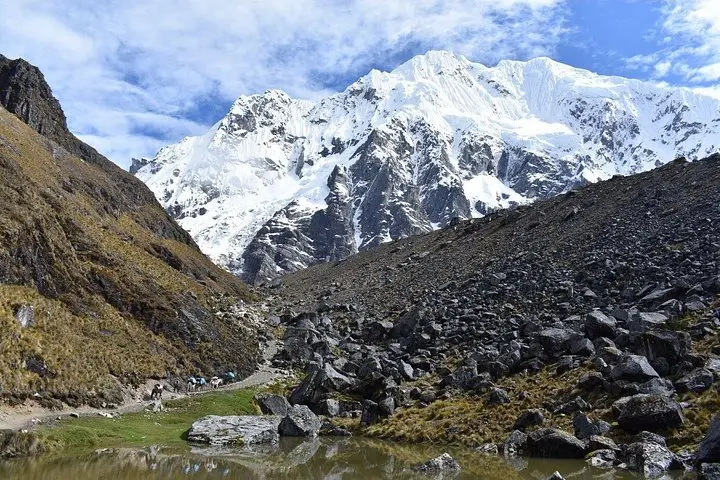
Dawn cracks over Cusco as the van climbs toward Mollepata and the first teeth of the Vilcanota range come into view. The Salkantay massif holds its snow like a bruise, a silent presence that guides every step as you push from Soraypampa toward Humantay Lake and higher into thin air.
Dawn cracks over Cusco as the van climbs toward Mollepata and the first teeth of the Vilcanota range come into view. The Salkantay massif holds its snow like a bruise, a silent presence that guides every step as you push from Soraypampa toward Humantay Lake and higher into thin air.
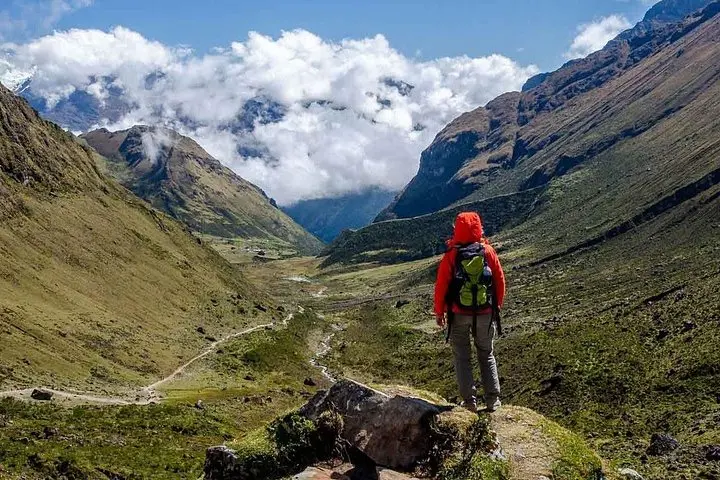
This four-day route threads alpine moraine, high puna, and cloud forest before delivering you to the stone thresholds of Machu Picchu. Salkantay (often translated from Quechua as a powerful mountain spirit) is part of the larger Vilcanota range; its glaciers sculpt rivers that cut the Santa Teresa valley and fed the Inca road network centuries ago. Along the trail you’ll pass pastures of llamas, stands of native Polylepis, and lowland plantations of coffee and citrus as elevation collapses into humid jungle.
Culturally the trek crosses living Andean landscapes where guides perform small offerings to the Apus and local communities manage grazing and water. Geologically the route exposes granite and glacial deposits, then soft, verdant soils as you descend into the Amazon watershed.
Practical edge: expect a hard ascent to 4,630 m on day two, cold nights at camp, and a humid final day along the Hidroeléctrica tracks. Guides generally carry group camping kit and horses take up to 7 kg of personal gear; bring layers for intense temperature swings, hydrate for altitude, and plan on early wake-ups for the Machu Picchu approach. The payoff is arriving at the citadel at first light, when terraces and ruins wake under clear Andean sky.