THE ADVENTURE COLLECTIVE® · Independent discovery and booking for outdoor travel

Learn salsa and Afro-Cuban dance in the heart of Casco Viejo, Panama City's historic neighborhood. This 60-minute class blends hands-on instruction with local rhythm—no partner or experience required.
Learn salsa and Afro-Cuban dance in the heart of Casco Viejo, Panama City's historic neighborhood. This 60-minute class blends hands-on instruction with local rhythm—no partner or experience required.
You step out of the stone-plaza light into a cool studio tucked behind a colonial façade; music pulses and the warm, humid city air presses against the windows like a promise. In Casco Viejo, where Spanish-era stone streets meet rooftop bars and the Pacific glints a few blocks away, a single hour of dance plugs you into the city's heartbeat.
Verified experiences and guided adventures in the surrounding area.
Operated by Salsa Safari · Panama City, Panamá Province
You step out of the stone-plaza light into a cool studio tucked behind a colonial façade; music pulses and the warm, humid city air presses against the windows like a promise. In Casco Viejo, where Spanish-era stone streets meet rooftop bars and the Pacific glints a few blocks away, a single hour of dance plugs you into the city's heartbeat.
Casco Viejo (Casco Antiguo) is Panama City's historic quarter, rebuilt after the 1671 sack of the original settlement and now a UNESCO-listed district of plazas, ornate balconies, and narrow alleys. The neighborhood sits on the Pacific side of the Isthmus of Panama—a landscape that turned this coastline into a meeting point of cultures, merchants and, later, sailors and musicians who brought Afro-Caribbean and Cuban rhythms to local dance floors.
Salsa and Afro-Cuban styles taught here are rhythmic, grounded and social: steps emphasize weight transfer, hip motion and musical timing rather than athletic leaps. Expect hands-on coaching, partner drills (optional) and short choreographies that build quickly.
Practical guidance: classes run about 60 minutes, require moderate mobility and no prior experience or partner. Wear breathable shoes with a bit of slide (dance sneakers or leather-soled flats), bring water and expect heat and humidity in the studio. Arrive early to find the small studio, and plan a post-class evening—Casco Viejo's plazas and rooftops make for easy salsa practice with live bands nearby.
This is a low-impact, high-energy way to feel local culture fast: fun, social and addictive for travelers who want to learn rather than just watch.
No. The class welcomes beginners and solo travelers—teachers give individual attention and partner swaps are common so everyone gets practice.
Yes; the provider lists the venue as wheelchair accessible but contact them ahead if you require specific assistance or seating arrangements.
Classes are moderate: expect continuous footwork and short partner drills; guests with serious spinal or heart conditions should consult a doctor first.
Yes. The program often offers bachata, merengue or cha cha cha as complimentary follow-up instruction depending on the day's schedule.
Salsa Safari operates guided outdoor trips and adventures with an emphasis on safety, stewardship, and memorable experiences.
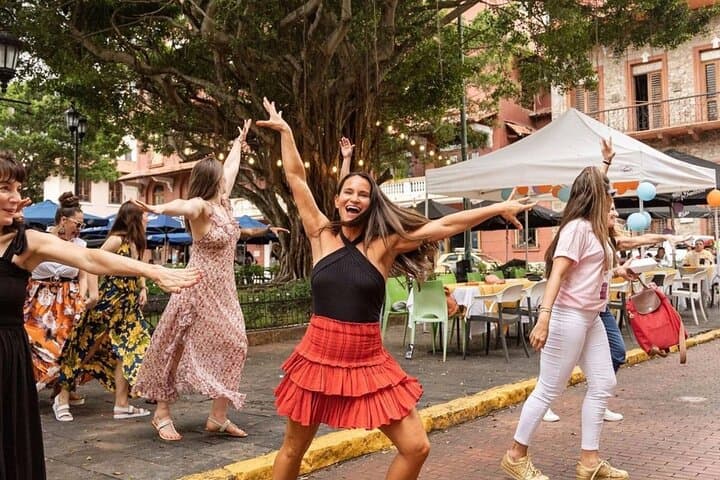
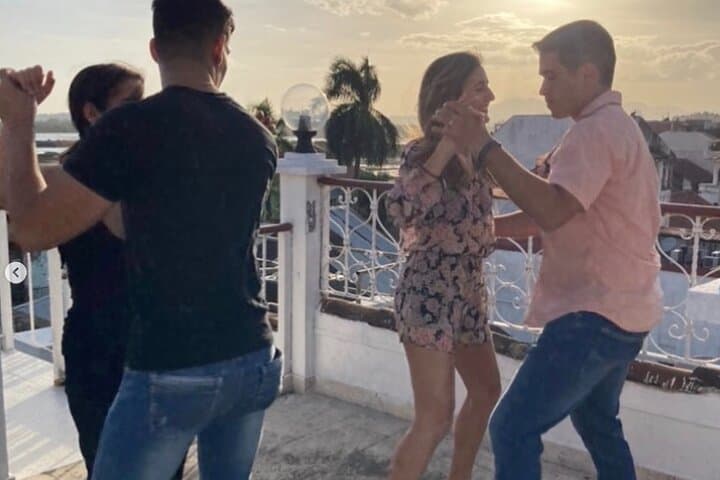
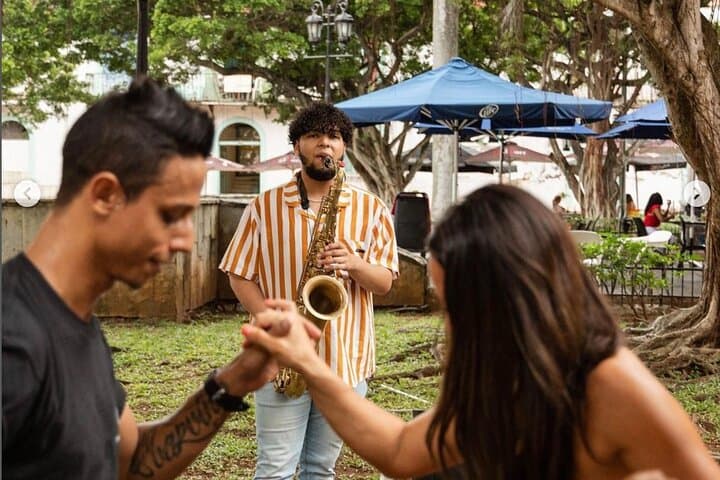
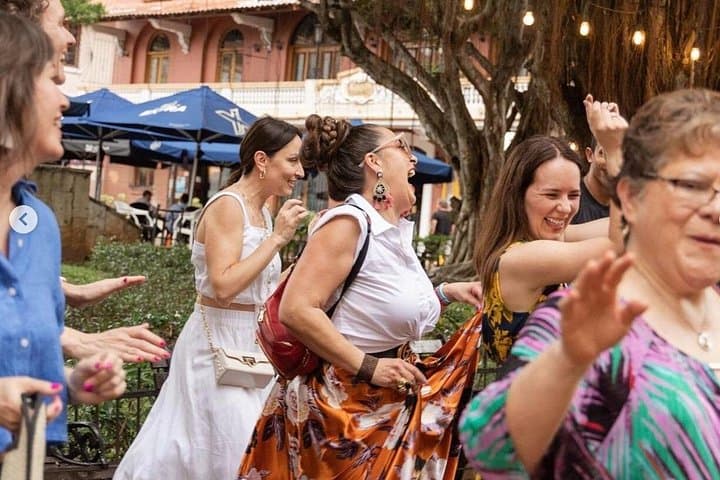
You step out of the stone-plaza light into a cool studio tucked behind a colonial façade; music pulses and the warm, humid city air presses against the windows like a promise. In Casco Viejo, where Spanish-era stone streets meet rooftop bars and the Pacific glints a few blocks away, a single hour of dance plugs you into the city's heartbeat.
You step out of the stone-plaza light into a cool studio tucked behind a colonial façade; music pulses and the warm, humid city air presses against the windows like a promise. In Casco Viejo, where Spanish-era stone streets meet rooftop bars and the Pacific glints a few blocks away, a single hour of dance plugs you into the city's heartbeat.
Casco Viejo (Casco Antiguo) is Panama City's historic quarter, rebuilt after the 1671 sack of the original settlement and now a UNESCO-listed district of plazas, ornate balconies, and narrow alleys. The neighborhood sits on the Pacific side of the Isthmus of Panama—a landscape that turned this coastline into a meeting point of cultures, merchants and, later, sailors and musicians who brought Afro-Caribbean and Cuban rhythms to local dance floors.
Salsa and Afro-Cuban styles taught here are rhythmic, grounded and social: steps emphasize weight transfer, hip motion and musical timing rather than athletic leaps. Expect hands-on coaching, partner drills (optional) and short choreographies that build quickly.
Practical guidance: classes run about 60 minutes, require moderate mobility and no prior experience or partner. Wear breathable shoes with a bit of slide (dance sneakers or leather-soled flats), bring water and expect heat and humidity in the studio. Arrive early to find the small studio, and plan a post-class evening—Casco Viejo's plazas and rooftops make for easy salsa practice with live bands nearby.
This is a low-impact, high-energy way to feel local culture fast: fun, social and addictive for travelers who want to learn rather than just watch.