THE ADVENTURE COLLECTIVE® · Independent discovery and booking for outdoor travel

Sit for a live organ recital at the Salt Lake Tabernacle and walk through the city’s civic heart on a four- to five-hour guided tour. This experience combines musical heritage with architectural and social history—ideal for curious travelers who want context with their culture.
Sit for a live organ recital at the Salt Lake Tabernacle and walk through the city’s civic heart on a four- to five-hour guided tour. This experience combines musical heritage with architectural and social history—ideal for curious travelers who want context with their culture.
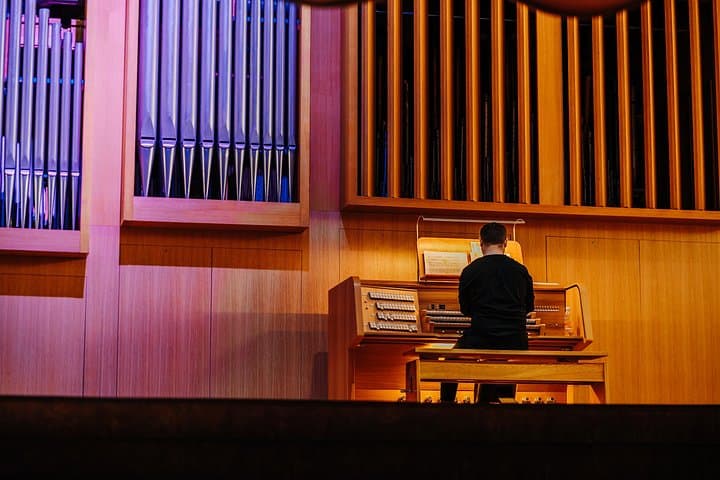
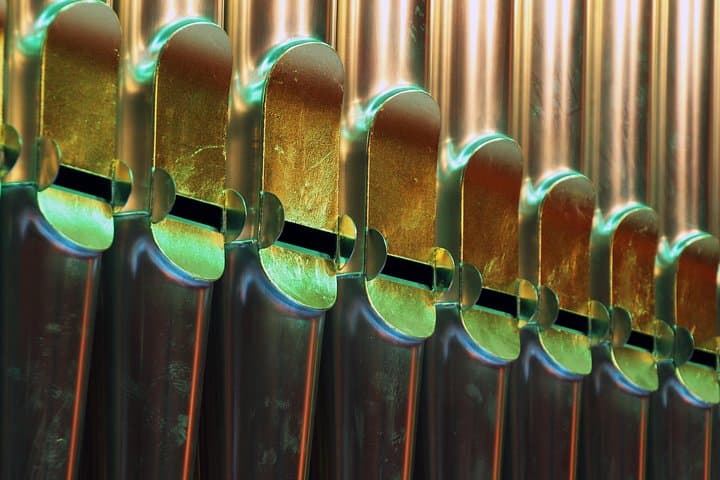
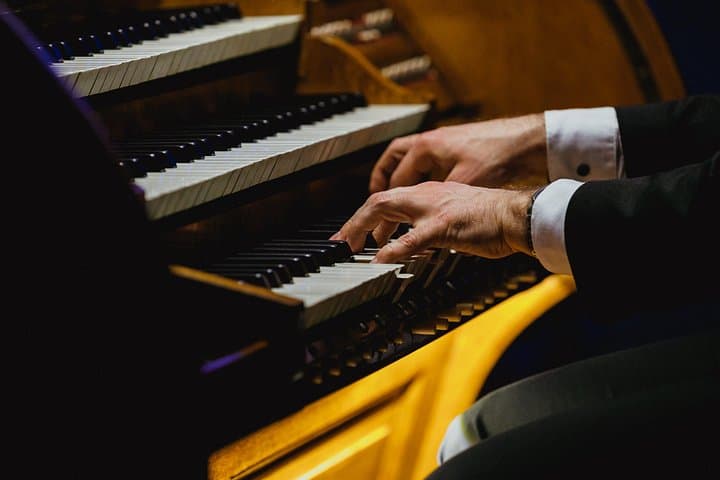
You step off the coach into a square of stone and pines where the city seems to breathe slowly — the air tastes faintly of mountain dust and the distant Great Salt Lake dares you to look further. Guides usher a small group across paths that have seen suffragists, miners, missionaries and musicians. The sound you’re here for arrives like a promise: the Tabernacle organ warming up, a rustle of pipes and pedalboards that turns a simple city visit into something closer to devotion.
Verified experiences and guided adventures in the surrounding area.
Operated by RockSpur Travel · Salt Lake City, Utah
You step off the coach into a square of stone and pines where the city seems to breathe slowly — the air tastes faintly of mountain dust and the distant Great Salt Lake dares you to look further. Guides usher a small group across paths that have seen suffragists, miners, missionaries and musicians. The sound you’re here for arrives like a promise: the Tabernacle organ warming up, a rustle of pipes and pedalboards that turns a simple city visit into something closer to devotion.
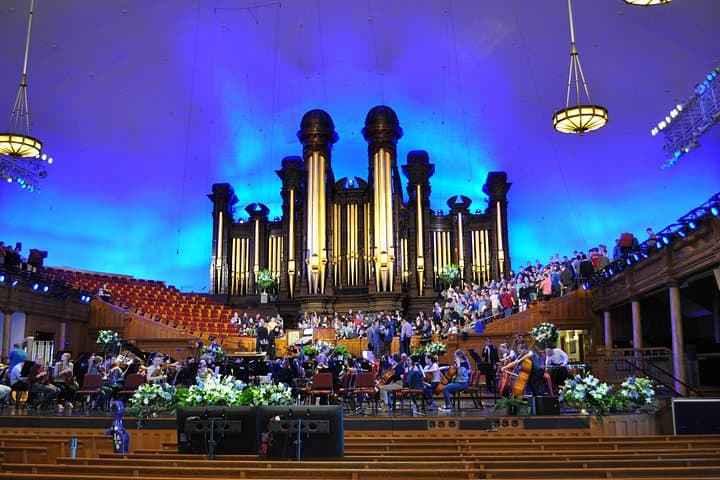
This full-day experience pairs a deep-dive Salt Lake City orientation with a seat at a live organ recital in the Salt Lake Tabernacle, a performance tradition dating to the early 1900s. The Tabernacle’s organ — more than 11,000 pipes — is a mechanical marvel and acoustic conspirator, built through generations and tuned to the city’s religious and civic life. Walking the route brings geology and social history into plain sight: the Wasatch Range cuts a sawtooth skyline to the east, a reminder that Salt Lake’s growth followed water and mountains as much as faith. Downtown’s Richardsonian Romanesque and Gothic revival buildings tell the 19th- and 20th-century story of Utah’s civic ambitions, from City and County Building to the stately Governor’s Mansion and the understated-grid of the Avenues.
Guides punctuate stops with local color — how an Olympic cauldron was repurposed into public art, where immigrants planted churches and festivals, and how early pioneers used irrigation to make a desert bloom. The tour stops inside several historic interiors, then eases into the Tabernacle. There the organ doesn’t shout so much as narrate: short recitals showcase the instrument’s range and the Tabernacle’s famous acoustics, which let a whispered solo fill the room without amplification.
Practical edge: expect light walking across paved streets and city steps, intermittent standing during the recital, and opportunities to sit at historic sites. The tour runs about four to five hours and includes bottled water, snacks and admissions noted in the itinerary. It’s accessible to most travelers but not recommended for those with serious spinal or cardiovascular conditions.
For photographers and history lovers alike, the day balances sensory reward with context. Time your visit for morning or late afternoon to catch the mountain light on the Avenues and the Tabernacle’s inner glow. Wear comfortable shoes, bring a light layer for cool interior spaces, and leave room in your schedule to wander Temple Square after the recital — the city’s stories spread outward from here, in stone, song, and skyline.
The tour runs approximately 4–5 hours, including the live organ recital and multiple downtown stops.
Admissions are included as noted in the itinerary; your ticket covers the recital experience.
Many stops around Temple Square and downtown are accessible, but some historic interiors and sidewalks may have limited access—contact the operator for specifics.
Guides provide snacks and bottled water; there are cafes and restaurants near major stops if you’d like a longer break.
Photography policies can change; follow the guide’s instructions—often photos are allowed in public areas but restricted during performances.
The tour is listed as easy, but it’s not recommended for travelers with serious spinal, heart conditions, or pregnancy—check the additional info before booking.
RockSpur Travel operates guided outdoor trips and adventures with an emphasis on safety, stewardship, and memorable experiences.
You step off the coach into a square of stone and pines where the city seems to breathe slowly — the air tastes faintly of mountain dust and the distant Great Salt Lake dares you to look further. Guides usher a small group across paths that have seen suffragists, miners, missionaries and musicians. The sound you’re here for arrives like a promise: the Tabernacle organ warming up, a rustle of pipes and pedalboards that turns a simple city visit into something closer to devotion.
You step off the coach into a square of stone and pines where the city seems to breathe slowly — the air tastes faintly of mountain dust and the distant Great Salt Lake dares you to look further. Guides usher a small group across paths that have seen suffragists, miners, missionaries and musicians. The sound you’re here for arrives like a promise: the Tabernacle organ warming up, a rustle of pipes and pedalboards that turns a simple city visit into something closer to devotion.
This full-day experience pairs a deep-dive Salt Lake City orientation with a seat at a live organ recital in the Salt Lake Tabernacle, a performance tradition dating to the early 1900s. The Tabernacle’s organ — more than 11,000 pipes — is a mechanical marvel and acoustic conspirator, built through generations and tuned to the city’s religious and civic life. Walking the route brings geology and social history into plain sight: the Wasatch Range cuts a sawtooth skyline to the east, a reminder that Salt Lake’s growth followed water and mountains as much as faith. Downtown’s Richardsonian Romanesque and Gothic revival buildings tell the 19th- and 20th-century story of Utah’s civic ambitions, from City and County Building to the stately Governor’s Mansion and the understated-grid of the Avenues.
Guides punctuate stops with local color — how an Olympic cauldron was repurposed into public art, where immigrants planted churches and festivals, and how early pioneers used irrigation to make a desert bloom. The tour stops inside several historic interiors, then eases into the Tabernacle. There the organ doesn’t shout so much as narrate: short recitals showcase the instrument’s range and the Tabernacle’s famous acoustics, which let a whispered solo fill the room without amplification.
Practical edge: expect light walking across paved streets and city steps, intermittent standing during the recital, and opportunities to sit at historic sites. The tour runs about four to five hours and includes bottled water, snacks and admissions noted in the itinerary. It’s accessible to most travelers but not recommended for those with serious spinal or cardiovascular conditions.
For photographers and history lovers alike, the day balances sensory reward with context. Time your visit for morning or late afternoon to catch the mountain light on the Avenues and the Tabernacle’s inner glow. Wear comfortable shoes, bring a light layer for cool interior spaces, and leave room in your schedule to wander Temple Square after the recital — the city’s stories spread outward from here, in stone, song, and skyline.