THE ADVENTURE COLLECTIVE® · Independent discovery and booking for outdoor travel

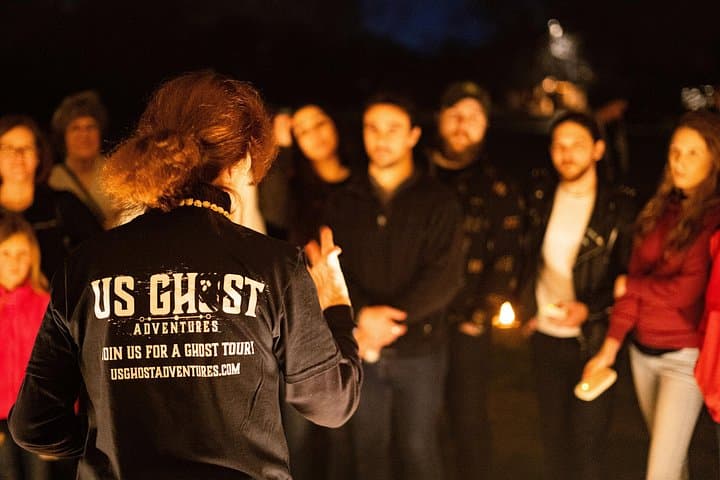
Walk a mile of downtown Salt Lake’s shadowed streets with a storyteller guide who blends documented history and local legend. Visit courthouses, theaters, and Whiskey Street as the city’s past and present meet under lamplight.
Walk a mile of downtown Salt Lake’s shadowed streets with a storyteller guide who blends documented history and local legend. Visit courthouses, theaters, and Whiskey Street as the city’s past and present meet under lamplight.
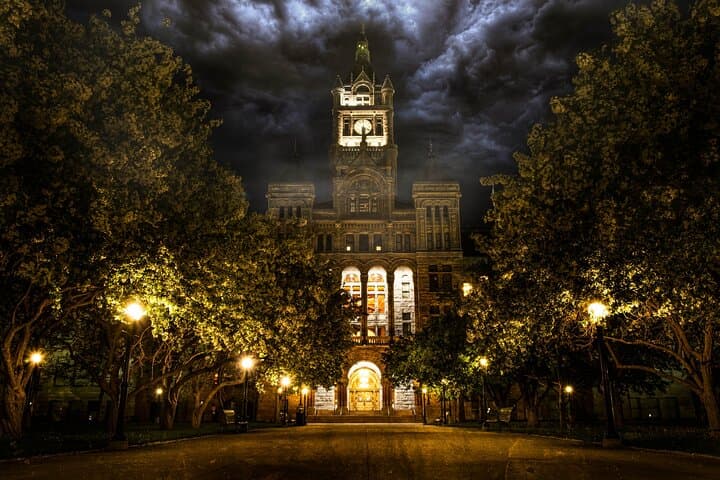
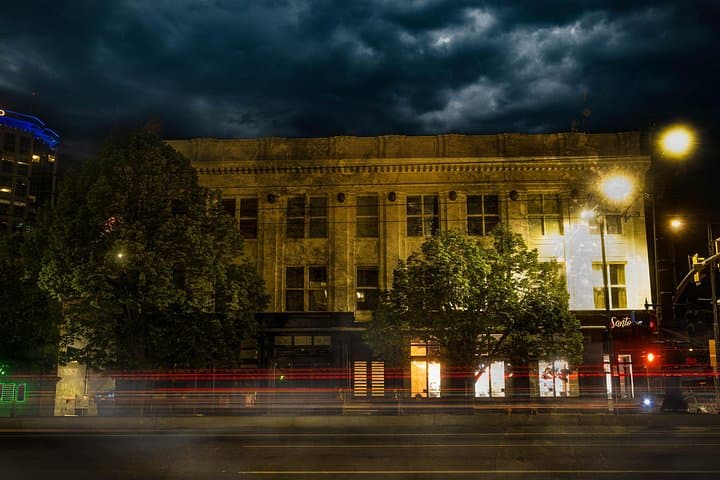
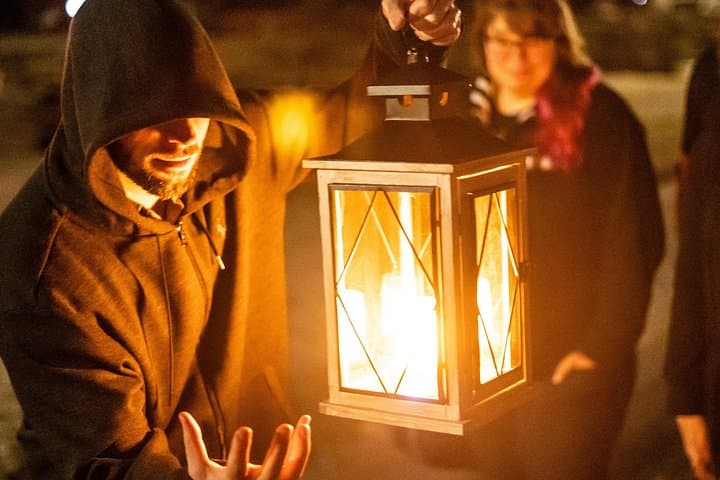
The lantern bobbing ahead slices through early-evening air as you step onto the bridge at the Gallivan Center. Main Street hums with traffic, but the tour's route threads into quieter alleys and broad plazas where shadowed façades and ornate stonework take on a new personality — windows like watchful eyes, lampposts that seem to lean in to listen.
Verified experiences and guided adventures in the surrounding area.
Operated by Salt Lake City Ghosts By Us Ghost Adventures · Salt Lake City, Utah
The lantern bobbing ahead slices through early-evening air as you step onto the bridge at the Gallivan Center. Main Street hums with traffic, but the tour's route threads into quieter alleys and broad plazas where shadowed façades and ornate stonework take on a new personality — windows like watchful eyes, lampposts that seem to lean in to listen.
Downtown Salt Lake City is recent by American standards but dense with layered stories: Mormon pioneers, turn-of-the-century bankers, vaudeville theaters and a bustling late-1800s bar district. The courthouse, Walker Center and Capitol/Orpheum Theater reflect early-20th-century commercial architecture that survived booms and fires; their brick and terra-cotta surfaces hold the marks of the city's social shifts. Geologically, you’re on the basin edge fed by the Wasatch Range — a plain formed by lake cycles and fault motion, where wind and winter freeze-thaw have aged masonry and alleyways.
Culturally the route exposes downtown’s grit: Whiskey Street’s saloons, the old post office’s stern lines, and a theater that remembers applause and shadow alike. Guides mix archival fact with local lore, pointing out where courtroom dramas and late-night saloons shaped reputation and rumor.
Practically, expect a one-mile, mostly level walk at a relaxed but steady pace. Tours meet at the Gallivan Center bridge; arrive 15 minutes early, wear closed-toe shoes, and bring weather-appropriate layers — Utah evenings can shift fast. Photography is fine from public sidewalks; respect private property and follow your guide’s directions for safety. The tour is compact, sensory, and best after sunset when light and sound sharpen the city’s quieter histories.
Yes — meeting and much of the route use wheelchair-accessible sidewalks and surfaces; notify the operator in advance for accommodations.
No — the tour views historic sites from public sidewalks; guides will explain building histories but cannot provide interior access.
Yes — families are welcome, but content includes references to violent historical events and may not suit very young children.
Full refunds are available if you cancel at least 24 hours before the scheduled departure; within 24 hours there is no refund.
Salt Lake City Ghosts By Us Ghost Adventures operates guided outdoor trips and adventures with an emphasis on safety, stewardship, and memorable experiences.
The lantern bobbing ahead slices through early-evening air as you step onto the bridge at the Gallivan Center. Main Street hums with traffic, but the tour's route threads into quieter alleys and broad plazas where shadowed façades and ornate stonework take on a new personality — windows like watchful eyes, lampposts that seem to lean in to listen.
The lantern bobbing ahead slices through early-evening air as you step onto the bridge at the Gallivan Center. Main Street hums with traffic, but the tour's route threads into quieter alleys and broad plazas where shadowed façades and ornate stonework take on a new personality — windows like watchful eyes, lampposts that seem to lean in to listen.
Downtown Salt Lake City is recent by American standards but dense with layered stories: Mormon pioneers, turn-of-the-century bankers, vaudeville theaters and a bustling late-1800s bar district. The courthouse, Walker Center and Capitol/Orpheum Theater reflect early-20th-century commercial architecture that survived booms and fires; their brick and terra-cotta surfaces hold the marks of the city's social shifts. Geologically, you’re on the basin edge fed by the Wasatch Range — a plain formed by lake cycles and fault motion, where wind and winter freeze-thaw have aged masonry and alleyways.
Culturally the route exposes downtown’s grit: Whiskey Street’s saloons, the old post office’s stern lines, and a theater that remembers applause and shadow alike. Guides mix archival fact with local lore, pointing out where courtroom dramas and late-night saloons shaped reputation and rumor.
Practically, expect a one-mile, mostly level walk at a relaxed but steady pace. Tours meet at the Gallivan Center bridge; arrive 15 minutes early, wear closed-toe shoes, and bring weather-appropriate layers — Utah evenings can shift fast. Photography is fine from public sidewalks; respect private property and follow your guide’s directions for safety. The tour is compact, sensory, and best after sunset when light and sound sharpen the city’s quieter histories.