THE ADVENTURE COLLECTIVE® · Independent discovery and booking for outdoor travel

Explore Inca agricultural terraces at Moray and the ancient salt pans at Maras on a compact half-day tour from Cusco. This guided route pairs geology and living traditions with accessible walking and dramatic valley views.
Explore Inca agricultural terraces at Moray and the ancient salt pans at Maras on a compact half-day tour from Cusco. This guided route pairs geology and living traditions with accessible walking and dramatic valley views.
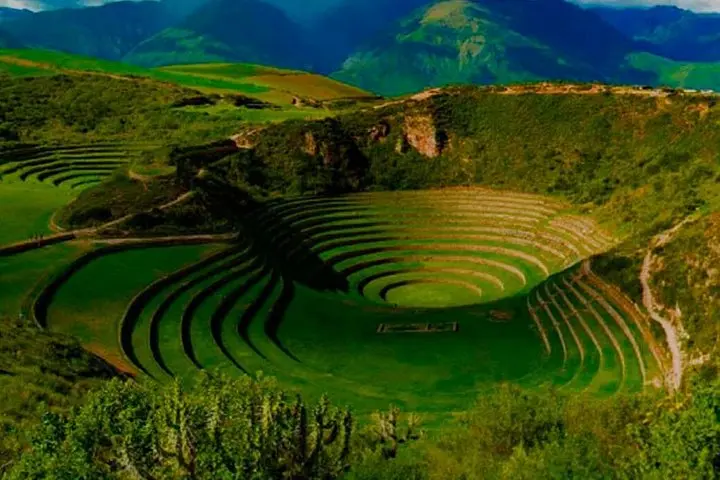
A thin Andean wind meets the bus as it climbs out of Cusco and into the high valley—terraced bowls of earth and a white constellation of salt ponds come into view. You step down at Moray first, where concentric Inca terraces fold into the ground like a natural amphitheater; sunlight slides into those bowls, making the stonework read like a set of climatic experiments carved into the mountain.
Verified experiences and guided adventures in the surrounding area.
Operated by Machupicchu Holiday · Maras, Cusco Region
A thin Andean wind meets the bus as it climbs out of Cusco and into the high valley—terraced bowls of earth and a white constellation of salt ponds come into view. You step down at Moray first, where concentric Inca terraces fold into the ground like a natural amphitheater; sunlight slides into those bowls, making the stonework read like a set of climatic experiments carved into the mountain.
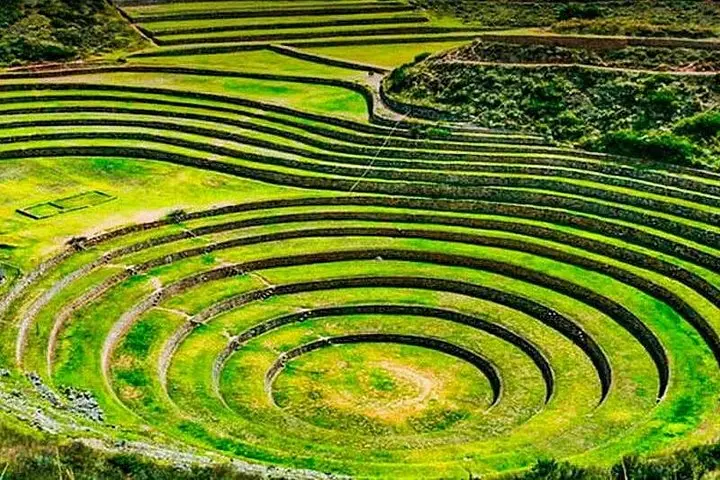
Moray’s circular platforms are an archaeological lesson in microclimates: the Incas used them to mimic different elevations and coax crops to adapt. Geologically, the area sits on uplifted volcanic and sedimentary rock shaped by glaciation and Andean orogeny; the circular terraces exploit natural slopes and drainage.
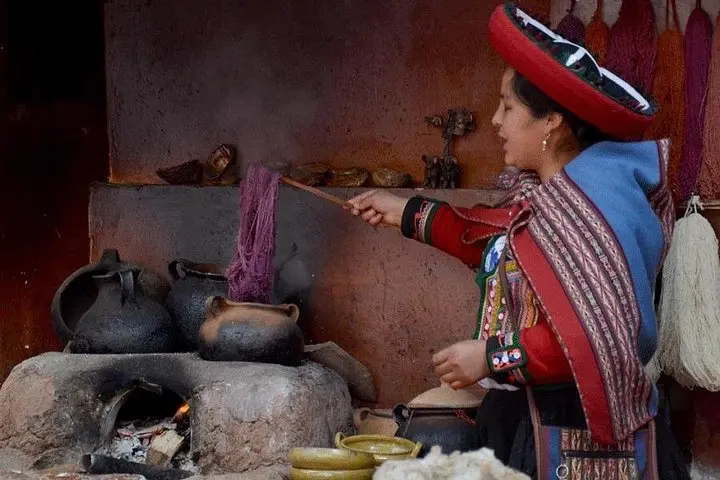
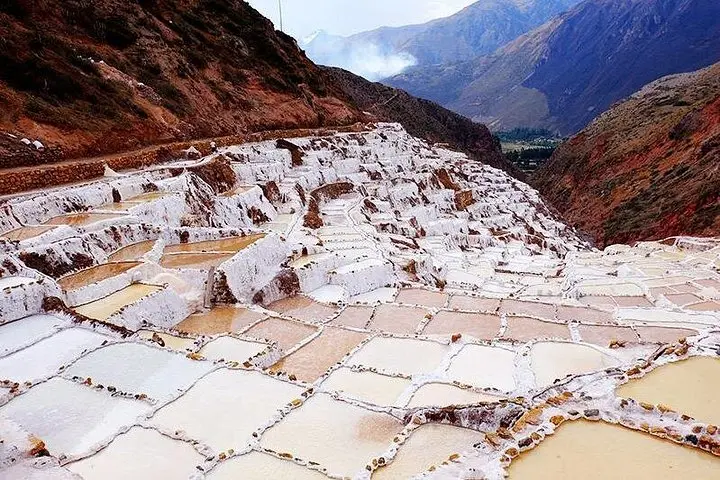
A short drive brings you to the Salineras of Maras—more than 3,500 shallow pans fed by a salty spring that still yields flake salt the way it has since pre-Inca times. Local families manage many pools, and nearby Chinchero preserves traditional weaving techniques you can observe on the return route.
For a half-day outing expect mostly short walks, stair-stepped paths, and moderate altitude (around 3,300–3,500 m). Take time at viewpoints above the salt ponds—light changes quickly and colors sharpen in the thin air. Practical tips: hydrate before arrival, move slowly to reduce altitude effects, and wear sturdy shoes for uneven stone and dirt paths. Guided pickups from Cusco simplify logistics; the loop returns in the afternoon, giving you time to rest or explore Cusco’s markets that evening.
The tour lasts about 5 hours and typically includes hotel pickup in Cusco, bilingual guide, round-trip transportation, and entrance to Moray and the Maras salt ponds.
The sites sit around 3,300–3,500 m; if you're coming from low altitude, mild symptoms are possible—hydrate, avoid alcohol beforehand, and notify the guide if you feel unwell.
Walking is moderate: short climbs, stone steps and uneven paths; the route is suitable for most fitness levels but not fully wheelchair accessible.
Yes—local cooperatives sell artisanal salt and textiles; bring local currency (Peruvian soles) and pack small bills for purchases.
Machupicchu Holiday operates guided outdoor trips and adventures with an emphasis on safety, stewardship, and memorable experiences.
A thin Andean wind meets the bus as it climbs out of Cusco and into the high valley—terraced bowls of earth and a white constellation of salt ponds come into view. You step down at Moray first, where concentric Inca terraces fold into the ground like a natural amphitheater; sunlight slides into those bowls, making the stonework read like a set of climatic experiments carved into the mountain.
A thin Andean wind meets the bus as it climbs out of Cusco and into the high valley—terraced bowls of earth and a white constellation of salt ponds come into view. You step down at Moray first, where concentric Inca terraces fold into the ground like a natural amphitheater; sunlight slides into those bowls, making the stonework read like a set of climatic experiments carved into the mountain.
Moray’s circular platforms are an archaeological lesson in microclimates: the Incas used them to mimic different elevations and coax crops to adapt. Geologically, the area sits on uplifted volcanic and sedimentary rock shaped by glaciation and Andean orogeny; the circular terraces exploit natural slopes and drainage.
A short drive brings you to the Salineras of Maras—more than 3,500 shallow pans fed by a salty spring that still yields flake salt the way it has since pre-Inca times. Local families manage many pools, and nearby Chinchero preserves traditional weaving techniques you can observe on the return route.
For a half-day outing expect mostly short walks, stair-stepped paths, and moderate altitude (around 3,300–3,500 m). Take time at viewpoints above the salt ponds—light changes quickly and colors sharpen in the thin air. Practical tips: hydrate before arrival, move slowly to reduce altitude effects, and wear sturdy shoes for uneven stone and dirt paths. Guided pickups from Cusco simplify logistics; the loop returns in the afternoon, giving you time to rest or explore Cusco’s markets that evening.