THE ADVENTURE COLLECTIVE® · Independent discovery and booking for outdoor travel

Spend a crisp half-day moving from Plaza 9 de Julio to the cable car at Cerro San Bernardo, sampling Salta’s colonial architecture, museum highlights, and local flavors. This efficient tour gives newcomers a grounded, sensory introduction to one of Argentina’s best-preserved cities.
Spend a crisp half-day moving from Plaza 9 de Julio to the cable car at Cerro San Bernardo, sampling Salta’s colonial architecture, museum highlights, and local flavors. This efficient tour gives newcomers a grounded, sensory introduction to one of Argentina’s best-preserved cities.
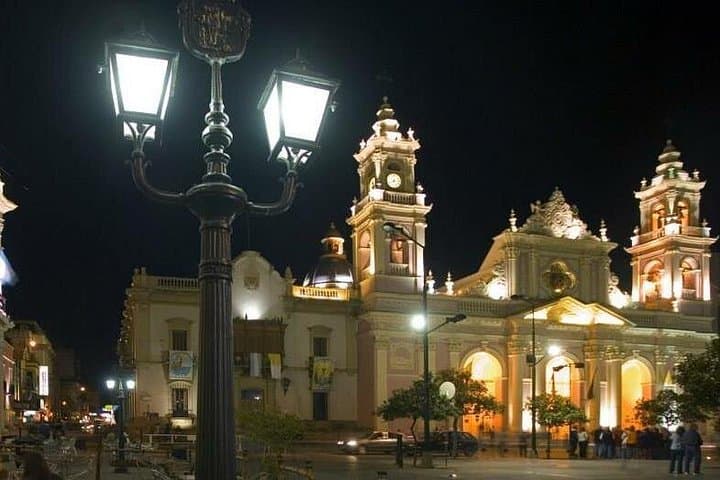
Morning breaks over Plaza 9 de Julio like a slow drumroll: vendors arranging roses, café steam rising from metal cups, and a driver loading an air-conditioned minivan that will become your moving window on Salta. The city opens itself in layers—broad Spanish squares, narrow cobbled alleys, the ochre bell tower of San Francisco Church slashing the sky—and a half-day tour is the precise tempo to feel the place without rushing it.
Verified experiences and guided adventures in the surrounding area.
Operated by NORDIC TRAVEL EVT · Salta, Salta
Morning breaks over Plaza 9 de Julio like a slow drumroll: vendors arranging roses, café steam rising from metal cups, and a driver loading an air-conditioned minivan that will become your moving window on Salta. The city opens itself in layers—broad Spanish squares, narrow cobbled alleys, the ochre bell tower of San Francisco Church slashing the sky—and a half-day tour is the precise tempo to feel the place without rushing it.
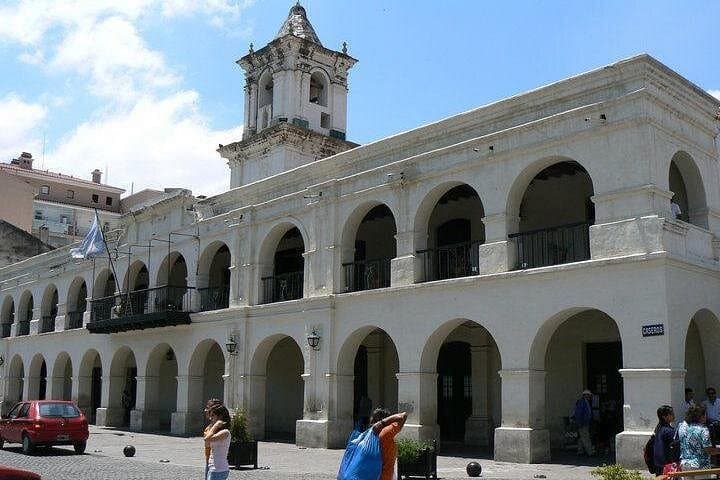
The guide steers through a living history. Salta was founded in the late 16th century and still wears its colonial plan—plaza at the center, public buildings and churches fanning out. Stops usually include Plaza 9 de Julio, the baroque spire of San Francisco, and the Museo de Arqueología de Alta Montaña (MAAM), home to the Inca mummies famously recovered from the high plains; seeing the artifacts explains how the city served as a crossroads between Andean highland cultures and Spanish trade routes.
Geologically, Salta sits at the edge of the Lerma Valley where the Andean foothills begin to assert themselves. The city’s red-tiled roofs and sandstone façades are a local counterpoint to the rust and straw tones of the surrounding slopes. From Cerro San Bernardo—reachable by a short cable car or by a steep walk—viewpoints push the city flat against the rising mountains, giving a sense of how the urban grid meets the vertical world beyond.
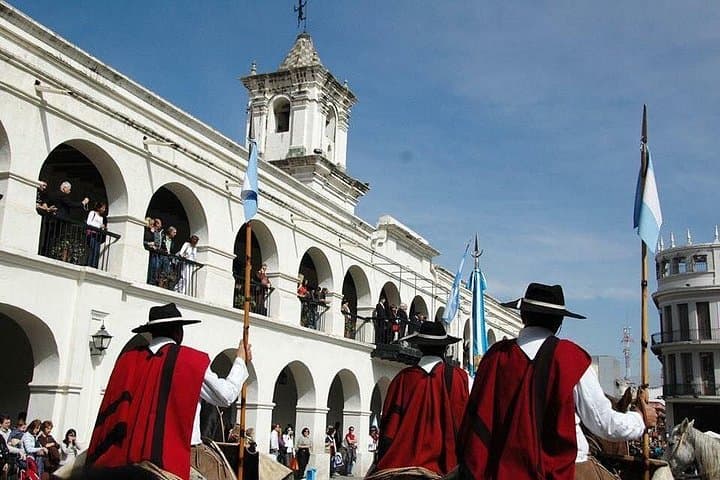
Culture here is convivial and direct. Salteño cuisine favors beef and empanadas salteñas—smaller, spicier, and more brothy than their cousins—and the afternoon market hums with mate gourds, smoked cheeses, and wool ponchos. Guides often weave in anecdotes about gaucho traditions and immigration waves that shaped local music and architecture.
Practical notes: the tour runs about 3.5 hours and includes transport by air-conditioned minivan with hotel pickup from many centrally located hotels. It’s accessible for most travelers—the operator lists wheelchair access and stroller-friendly options—but expect short staircases at churches and museum exhibits with uneven floors.
Bring a refillable water bottle, sun protection, and a light layer; mornings can be crisp and afternoons warm. Museum visits may require separate entrance fees and photography rules, so have small bills handy. If you pay by card, remember Argentina’s local taxes and interchange fees can appear on your statement.
For a compact first impression of Salta, this half-day tour balances readable history, sweeping views from San Bernardo, and bites of local life. It’s an efficient primer: by the end you’ll know which alleys to return to, which cafés fit a slow afternoon, and where the mountains start to call you out of the city.
The fixed duration is approximately 210 minutes (about 3.5 hours), including transport and short stops.
Yes—pickup and drop-off are provided for select centrally located hotels; confirm your pickup point when booking.
The operator lists the tour as wheelchair and stroller accessible, though some historic sites include stairs or uneven flooring.
Museum entries such as MAAM may require separate fees; the tour’s inclusions list indicates transport but not attraction admission charges.
Tours may be operated by multilingual guides; check availability and request language preferences at booking.
Bring comfortable shoes, a refillable water bottle, sun protection, small cash for fees, and your passport if requested for booking details.
NORDIC TRAVEL EVT operates guided outdoor trips and adventures with an emphasis on safety, stewardship, and memorable experiences.
Morning breaks over Plaza 9 de Julio like a slow drumroll: vendors arranging roses, café steam rising from metal cups, and a driver loading an air-conditioned minivan that will become your moving window on Salta. The city opens itself in layers—broad Spanish squares, narrow cobbled alleys, the ochre bell tower of San Francisco Church slashing the sky—and a half-day tour is the precise tempo to feel the place without rushing it.
Morning breaks over Plaza 9 de Julio like a slow drumroll: vendors arranging roses, café steam rising from metal cups, and a driver loading an air-conditioned minivan that will become your moving window on Salta. The city opens itself in layers—broad Spanish squares, narrow cobbled alleys, the ochre bell tower of San Francisco Church slashing the sky—and a half-day tour is the precise tempo to feel the place without rushing it.
The guide steers through a living history. Salta was founded in the late 16th century and still wears its colonial plan—plaza at the center, public buildings and churches fanning out. Stops usually include Plaza 9 de Julio, the baroque spire of San Francisco, and the Museo de Arqueología de Alta Montaña (MAAM), home to the Inca mummies famously recovered from the high plains; seeing the artifacts explains how the city served as a crossroads between Andean highland cultures and Spanish trade routes.
Geologically, Salta sits at the edge of the Lerma Valley where the Andean foothills begin to assert themselves. The city’s red-tiled roofs and sandstone façades are a local counterpoint to the rust and straw tones of the surrounding slopes. From Cerro San Bernardo—reachable by a short cable car or by a steep walk—viewpoints push the city flat against the rising mountains, giving a sense of how the urban grid meets the vertical world beyond.
Culture here is convivial and direct. Salteño cuisine favors beef and empanadas salteñas—smaller, spicier, and more brothy than their cousins—and the afternoon market hums with mate gourds, smoked cheeses, and wool ponchos. Guides often weave in anecdotes about gaucho traditions and immigration waves that shaped local music and architecture.
Practical notes: the tour runs about 3.5 hours and includes transport by air-conditioned minivan with hotel pickup from many centrally located hotels. It’s accessible for most travelers—the operator lists wheelchair access and stroller-friendly options—but expect short staircases at churches and museum exhibits with uneven floors.
Bring a refillable water bottle, sun protection, and a light layer; mornings can be crisp and afternoons warm. Museum visits may require separate entrance fees and photography rules, so have small bills handy. If you pay by card, remember Argentina’s local taxes and interchange fees can appear on your statement.
For a compact first impression of Salta, this half-day tour balances readable history, sweeping views from San Bernardo, and bites of local life. It’s an efficient primer: by the end you’ll know which alleys to return to, which cafés fit a slow afternoon, and where the mountains start to call you out of the city.