THE ADVENTURE COLLECTIVE® · Independent discovery and booking for outdoor travel

A compact, four-hour circuit through Salvador’s coast and historic quarters — from the flashing Farol da Barra to the ribbons at Bonfim and the color of Mercado Modelo. Expect short walks, photo stops, and immersive cultural context delivered by a local guide.
A compact, four-hour circuit through Salvador’s coast and historic quarters — from the flashing Farol da Barra to the ribbons at Bonfim and the color of Mercado Modelo. Expect short walks, photo stops, and immersive cultural context delivered by a local guide.
You step out at Farol da Barra and the Atlantic pushes against the breakwater, its blue flashing at an old lighthouse that marked the city’s approach for sailors centuries ago.
Verified experiences and guided adventures in the surrounding area.
Operated by Tangol · Salvador, Bahia
You step out at Farol da Barra and the Atlantic pushes against the breakwater, its blue flashing at an old lighthouse that marked the city’s approach for sailors centuries ago.
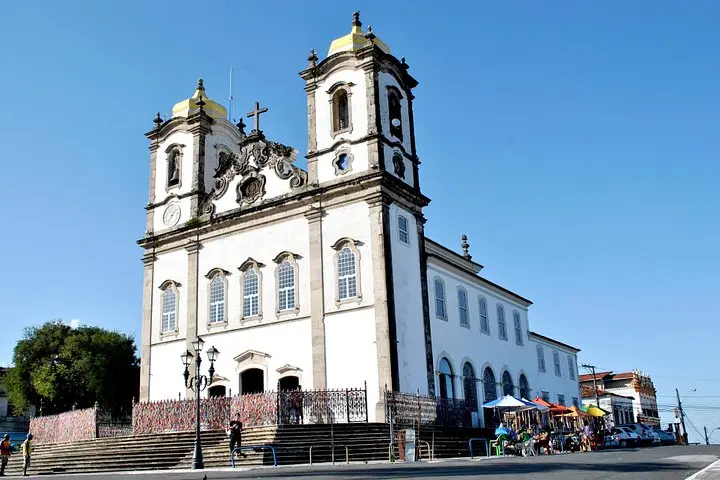
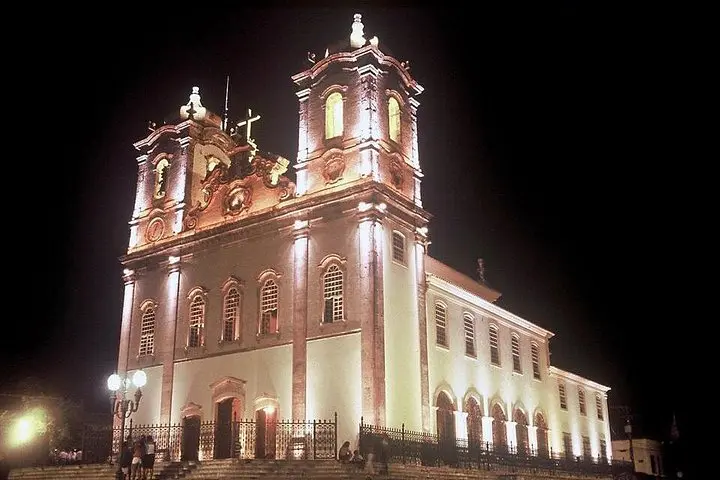
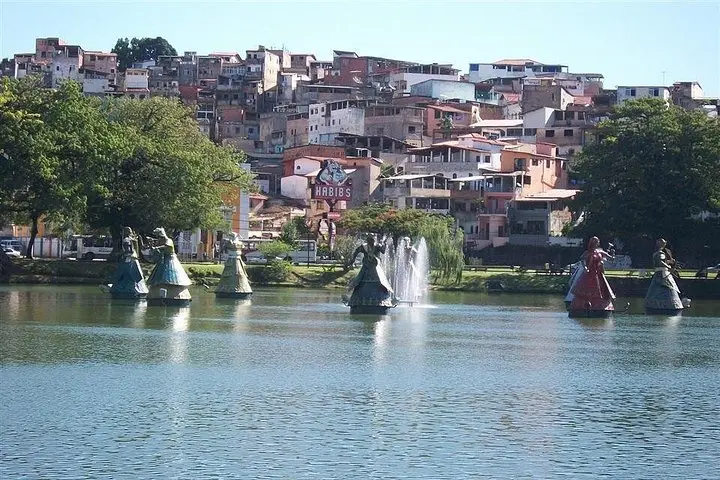
The four-hour panoramic circuit moves from the lighthouse down to the Dique do Tororó — its orixá sculptures looking back across still water — then threads through lower city tunnels, the port, and the commercial arteries of Calçada. At Bonfim Hill the church draws a steady stream of devotees; colorful ribbons tied to the fence tell a living story of faith and ritual. Monte Serrat Fort offers a raw view over the Bay of All Saints, where light plays over anchored boats and the city’s colonial grid spills to the shoreline.
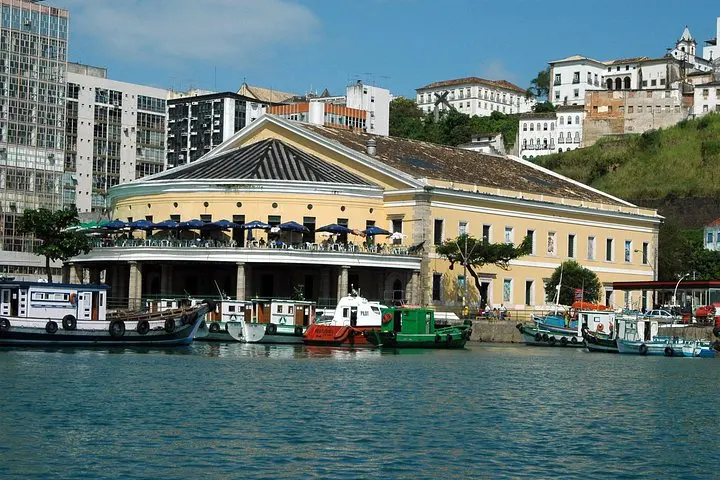
Salvador was Brazil’s first capital and a major Atlantic trading hub; its streets show Portuguese colonial architecture layered over strong Afro-Brazilian culture, Candomblé practice, and a cuisine shaped by West African ingredients. The Mercado Modelo brings those currents together — handcrafts, berimbau rhythms, and vendors serving acarajé that’s crisp at the edges.
Practically, expect short walks, photo stops, and a mix of open viewpoints and busy market lanes. Comfortable shoes and sun protection are essential; bring small local currency for crafts and snacks. Hotel pickup is common on scheduled tours, and guides often explain the religious and social history as you move. This is a low-effort, high-context way to see Salvador’s coastline, cultural landmarks, and market life in a single, visually rich morning or afternoon.
Pickup and drop-off are provided for selected hotels; exact times are confirmed after booking and typically start 30–60 minutes before departure.
Yes — the church is open to visitors and worshippers; maintain respectful dress and behavior and follow any on-site instructions.
Expect brief walking segments and short stair climbs between viewpoints and market areas; the overall tour is low-impact and suitable for most travelers.
Tours may be operated by multi-lingual guides, but language availability should be confirmed at booking if you require a specific language.
Tangol operates guided outdoor trips and adventures with an emphasis on safety, stewardship, and memorable experiences.
You step out at Farol da Barra and the Atlantic pushes against the breakwater, its blue flashing at an old lighthouse that marked the city’s approach for sailors centuries ago.
You step out at Farol da Barra and the Atlantic pushes against the breakwater, its blue flashing at an old lighthouse that marked the city’s approach for sailors centuries ago.
The four-hour panoramic circuit moves from the lighthouse down to the Dique do Tororó — its orixá sculptures looking back across still water — then threads through lower city tunnels, the port, and the commercial arteries of Calçada. At Bonfim Hill the church draws a steady stream of devotees; colorful ribbons tied to the fence tell a living story of faith and ritual. Monte Serrat Fort offers a raw view over the Bay of All Saints, where light plays over anchored boats and the city’s colonial grid spills to the shoreline.
Salvador was Brazil’s first capital and a major Atlantic trading hub; its streets show Portuguese colonial architecture layered over strong Afro-Brazilian culture, Candomblé practice, and a cuisine shaped by West African ingredients. The Mercado Modelo brings those currents together — handcrafts, berimbau rhythms, and vendors serving acarajé that’s crisp at the edges.
Practically, expect short walks, photo stops, and a mix of open viewpoints and busy market lanes. Comfortable shoes and sun protection are essential; bring small local currency for crafts and snacks. Hotel pickup is common on scheduled tours, and guides often explain the religious and social history as you move. This is a low-effort, high-context way to see Salvador’s coastline, cultural landmarks, and market life in a single, visually rich morning or afternoon.