THE ADVENTURE COLLECTIVE® · Independent discovery and booking for outdoor travel

From Pelourinho’s painted streets to the sunlit beaches of Morro de São Paulo, this private tour-and-transfer strings Salvador’s culture and the Bay of All Saints’ islands into one accessible day. Expect historic sights, coastal panoramas, optional snorkeling and straightforward logistics.
From Pelourinho’s painted streets to the sunlit beaches of Morro de São Paulo, this private tour-and-transfer strings Salvador’s culture and the Bay of All Saints’ islands into one accessible day. Expect historic sights, coastal panoramas, optional snorkeling and straightforward logistics.
You step out of an air-conditioned van and the city’s edge slides into the Atlantic: a horizon cut by small islands, fishermen’s boats bobbing like punctuation. In Salvador the streets still remember horses and colonial governors—painted façades lean over cobblestone alleys—while the islands ahead promise warm water and a slower pace. This private sightseeing and transfer service stitches both worlds into a single day: city panoramas, a coastal stretch with fort views, and optional island hops to Morro de São Paulo, Itaparica and the Frades archipelago.
Verified experiences and guided adventures in the surrounding area.
Operated by cs turismo salvador bahia · Salvador, Bahia
You step out of an air-conditioned van and the city’s edge slides into the Atlantic: a horizon cut by small islands, fishermen’s boats bobbing like punctuation. In Salvador the streets still remember horses and colonial governors—painted façades lean over cobblestone alleys—while the islands ahead promise warm water and a slower pace. This private sightseeing and transfer service stitches both worlds into a single day: city panoramas, a coastal stretch with fort views, and optional island hops to Morro de São Paulo, Itaparica and the Frades archipelago.
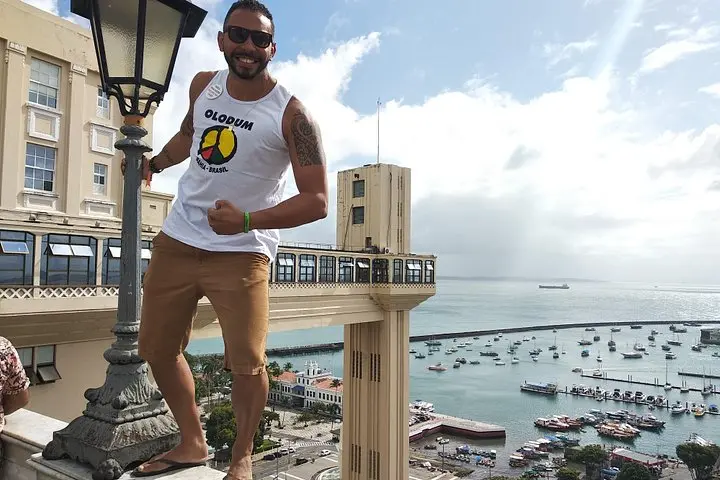
Salvador is one of Brazil’s oldest port cities; its historical center, Pelourinho, records the city’s Portuguese architecture and the rhythms of Afro-Brazilian culture. The Lacerda Elevator is both a practical lift and a postcard of how the city bridges high town and port. Offshore, the islands are volcanic remnants and alluvial bars, their beaches formed by currents that shuffle sand between inlets and reefs—conditions that make for clear snorkeling around shallow reefs and strong currents at channel mouths.
Local life threads the tour: cafés serving acarajé and strong coffee, fishermen repairing nets, and churches where weekday processions still gather. The itinerary often includes a stop at Bonfim Church, a drive past the Modelo Market, and coastal beaches like Guarajuba for a swim and lunch. For those choosing island options, expect two-hour stops to stretch legs, swim, and explore small island villages where time keeps a different speed.
Practical guidance: tours are private with options for collective vans up to 15 people and include snorkeling gear and onboard restrooms. Start early—the islands and beaches are quieter in the morning and light is best for photos. Bring cash for small purchases and local vendors; some island shops are card-free. Wear supportive shoes for cobbled streets and a swimsuit under your clothes if you plan quick dips. Hydrate—tropical sun and a full day of moving between boat and land will demand it.
Safety and timing: pay attention to pickup details—operators ask to be at your hotel 60 minutes before departure time—and allow flexibility for ferry schedules and sea conditions. For snorkelers, tidal windows matter; guides will choose calmer spots when currents pick up. Respect local fisheries: keep a safe distance from reef life and avoid stepping on corals. With a bit of planning, the route from Salvador’s historical core to Morro de São Paulo yields a compact primer on Bahian culture, coastal geology, and island leisure—an efficient way to experience the Atlantic coast without the logistics headache.
Yes—private pickup is available from most central hotels; confirm your pickup point and time when you book.
Lunch is not typically included unless specified; the itinerary usually stops at a beach or island restaurant where you can buy meals.
Yes — the tour lists snorkeling equipment as included for stops where snorkeling is offered.
Yes — the service notes stroller accessibility and infant seats are available; disclose ages when booking so the operator can prepare.
Tours may be canceled in bad weather for safety; the provider allows refunds if canceled at least 24 hours before departure or for weather cancellations.
Island stops are generally around two hours each on the boat excursions, though total tour time varies—confirm which islands you’ll visit when booking.
cs turismo salvador bahia operates guided outdoor trips and adventures with an emphasis on safety, stewardship, and memorable experiences.
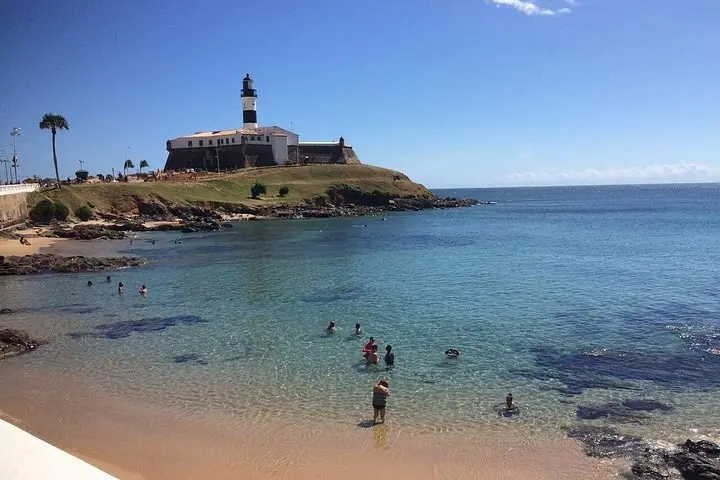
You step out of an air-conditioned van and the city’s edge slides into the Atlantic: a horizon cut by small islands, fishermen’s boats bobbing like punctuation. In Salvador the streets still remember horses and colonial governors—painted façades lean over cobblestone alleys—while the islands ahead promise warm water and a slower pace. This private sightseeing and transfer service stitches both worlds into a single day: city panoramas, a coastal stretch with fort views, and optional island hops to Morro de São Paulo, Itaparica and the Frades archipelago.
You step out of an air-conditioned van and the city’s edge slides into the Atlantic: a horizon cut by small islands, fishermen’s boats bobbing like punctuation. In Salvador the streets still remember horses and colonial governors—painted façades lean over cobblestone alleys—while the islands ahead promise warm water and a slower pace. This private sightseeing and transfer service stitches both worlds into a single day: city panoramas, a coastal stretch with fort views, and optional island hops to Morro de São Paulo, Itaparica and the Frades archipelago.
Salvador is one of Brazil’s oldest port cities; its historical center, Pelourinho, records the city’s Portuguese architecture and the rhythms of Afro-Brazilian culture. The Lacerda Elevator is both a practical lift and a postcard of how the city bridges high town and port. Offshore, the islands are volcanic remnants and alluvial bars, their beaches formed by currents that shuffle sand between inlets and reefs—conditions that make for clear snorkeling around shallow reefs and strong currents at channel mouths.
Local life threads the tour: cafés serving acarajé and strong coffee, fishermen repairing nets, and churches where weekday processions still gather. The itinerary often includes a stop at Bonfim Church, a drive past the Modelo Market, and coastal beaches like Guarajuba for a swim and lunch. For those choosing island options, expect two-hour stops to stretch legs, swim, and explore small island villages where time keeps a different speed.
Practical guidance: tours are private with options for collective vans up to 15 people and include snorkeling gear and onboard restrooms. Start early—the islands and beaches are quieter in the morning and light is best for photos. Bring cash for small purchases and local vendors; some island shops are card-free. Wear supportive shoes for cobbled streets and a swimsuit under your clothes if you plan quick dips. Hydrate—tropical sun and a full day of moving between boat and land will demand it.
Safety and timing: pay attention to pickup details—operators ask to be at your hotel 60 minutes before departure time—and allow flexibility for ferry schedules and sea conditions. For snorkelers, tidal windows matter; guides will choose calmer spots when currents pick up. Respect local fisheries: keep a safe distance from reef life and avoid stepping on corals. With a bit of planning, the route from Salvador’s historical core to Morro de São Paulo yields a compact primer on Bahian culture, coastal geology, and island leisure—an efficient way to experience the Atlantic coast without the logistics headache.