THE ADVENTURE COLLECTIVE® · Independent discovery and booking for outdoor travel

A full-day circuit from Punta Cana that pairs a 50-meter plunge at El Limón with a boat crossing to Bacardi (Cayo Levantado). Expect horseback approaches, mangrove-stitched bays and a Dominican buffet lunch—an efficient, nature-forward slice of Samaná.
A full-day circuit from Punta Cana that pairs a 50-meter plunge at El Limón with a boat crossing to Bacardi (Cayo Levantado). Expect horseback approaches, mangrove-stitched bays and a Dominican buffet lunch—an efficient, nature-forward slice of Samaná.
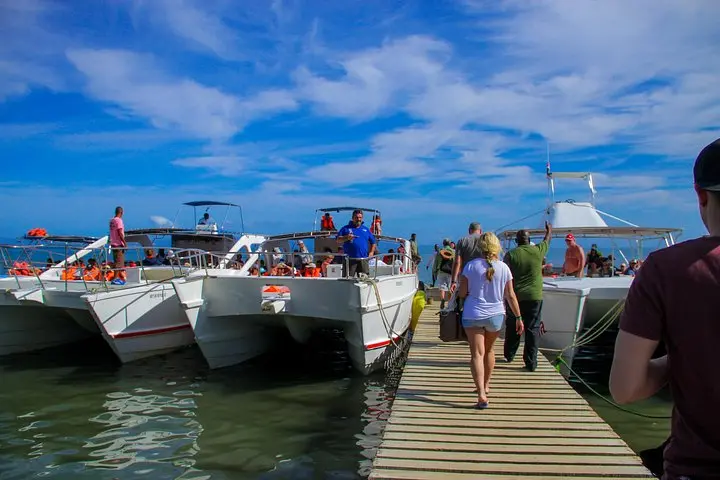
The day begins before sunrise, when a small convoy of vans peels out of Punta Cana and heads northwest along the coast. The road opens into rolling green foothills, and the air changes—salt from the Atlantic, the sweet tang of sugarcane, and the thicker, humid breath of the Samaná peninsula. By mid-morning the group steps onto a bobbing panga that threads through mangrove fingers into Samaná Bay. From the boat the low archipelago of hills reads like a map of eras: coral platforms, limestone ribs, and forested summits.
Verified experiences and guided adventures in the surrounding area.
Operated by Tours Republica · Samaná, Samaná Province
The day begins before sunrise, when a small convoy of vans peels out of Punta Cana and heads northwest along the coast. The road opens into rolling green foothills, and the air changes—salt from the Atlantic, the sweet tang of sugarcane, and the thicker, humid breath of the Samaná peninsula. By mid-morning the group steps onto a bobbing panga that threads through mangrove fingers into Samaná Bay. From the boat the low archipelago of hills reads like a map of eras: coral platforms, limestone ribs, and forested summits.
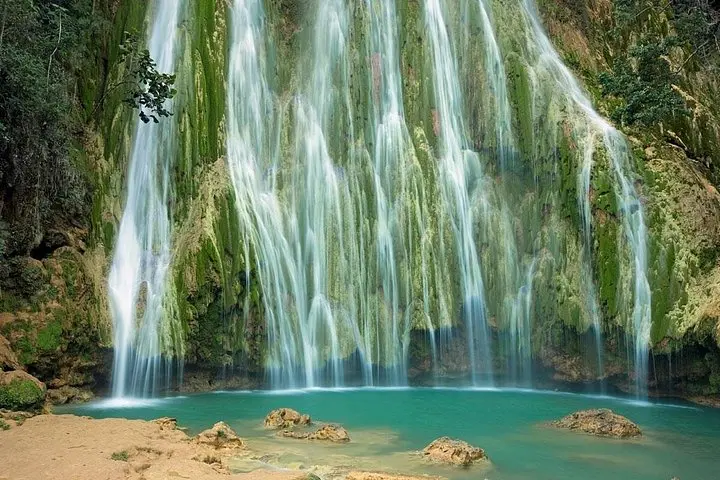
History and geology press close on this route. Christopher Columbus charted Samaná in 1493, and the bay has been a crossroads ever since—Arawak settlements, colonial skirmishes and later a rope of fishing hamlets that grew around boatbuilding and coconut trade. Geologically, the peninsula is recomposed reef and uplifted limestone, scored by tropical rivers that make steep valleys and waterfalls—the most famous being Salto El Limón, a 50-meter drop that carves a deep, green plunge pool below.
Culturally, the region is direct and unpretentious. Guides often speak a few languages and a local slang; meals are dominated by rice, fresh fish and plantain. Cayo Levantado (often called Bacardi Island) is the postcard counterbalance to the rainforest: a small crescent of white sand, palms that dip like commas over the sea and a shallow reef that invites a cautious swim.
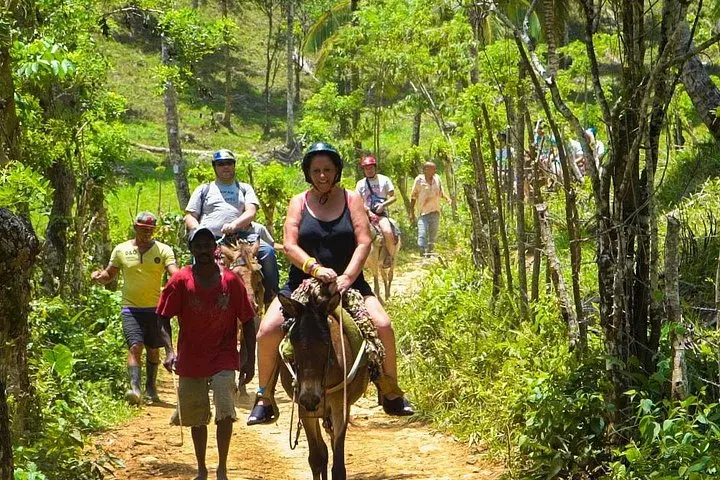
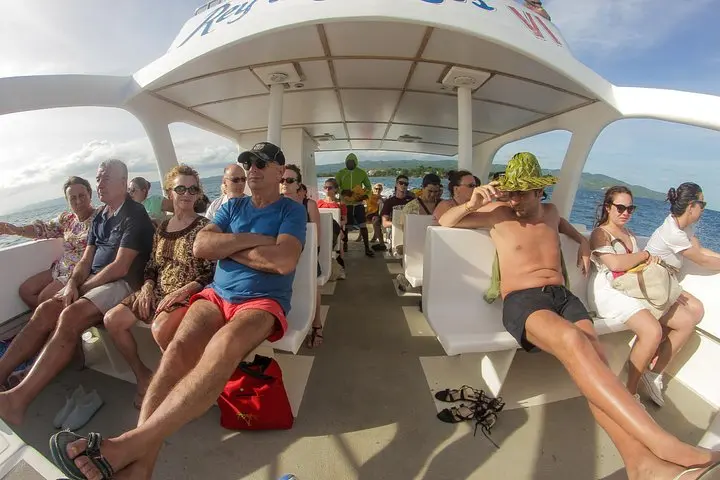
On the ground, the trip unfolds in three acts: a horseback or foot approach up a shaded trail to El Limón; a safari-style drive through Samaná town with stops for photos and local markets; and a boat crossing to Bacardi Island for beach time and a buffet lunch. The waterfall will demand modest exertion—sturdy footing on wet stone and a short scramble into the pool—but rewards with a cool plunge beneath a curtain of falling water.
Practical edge: wear water shoes with grip, bring insect repellent and a dry bag for electronics. The full loop is roughly eight hours; expect uneven paths and boat decks that pitch with the swell. If visiting between January and March, watch for whale song in the bay—Samaná is one of the planet’s great humpback nursery grounds. Bring a reusable water bottle (there are refill stops at the lunch point) and tip guides in cash if they’ve worked to adapt the day around your language or abilities.
For travelers who want a balanced day—forest, a powerful waterfall and a soft, snorkel-ready beach—this loop is efficient and scenic. It’s best booked with hotel pickup, and while the pace is social, there are private options for travelers who prefer a quieter rhythm.
The full tour runs about 8 hours including transport, the waterfall visit, a beach stop at Cayo Levantado and lunch.
Yes—round-trip hotel pickup and drop-off from Punta Cana-area hotels is included; exact pickup times vary by property.
Yes—horseback approaches are offered; riders should have moderate balance and disclose any physical limitations beforehand.
Children are welcome, but the operator discourages the activity for very young kids and does not recommend it for pregnant travelers.
Whale sightings are seasonal—most reliable from mid-January through March when humpbacks visit Samaná Bay.
A buffet lunch and soft drinks are included; bring cash for snacks, souvenirs, and restroom fees in smaller towns.
Tours Republica operates guided outdoor trips and adventures with an emphasis on safety, stewardship, and memorable experiences.
The day begins before sunrise, when a small convoy of vans peels out of Punta Cana and heads northwest along the coast. The road opens into rolling green foothills, and the air changes—salt from the Atlantic, the sweet tang of sugarcane, and the thicker, humid breath of the Samaná peninsula. By mid-morning the group steps onto a bobbing panga that threads through mangrove fingers into Samaná Bay. From the boat the low archipelago of hills reads like a map of eras: coral platforms, limestone ribs, and forested summits.
The day begins before sunrise, when a small convoy of vans peels out of Punta Cana and heads northwest along the coast. The road opens into rolling green foothills, and the air changes—salt from the Atlantic, the sweet tang of sugarcane, and the thicker, humid breath of the Samaná peninsula. By mid-morning the group steps onto a bobbing panga that threads through mangrove fingers into Samaná Bay. From the boat the low archipelago of hills reads like a map of eras: coral platforms, limestone ribs, and forested summits.
History and geology press close on this route. Christopher Columbus charted Samaná in 1493, and the bay has been a crossroads ever since—Arawak settlements, colonial skirmishes and later a rope of fishing hamlets that grew around boatbuilding and coconut trade. Geologically, the peninsula is recomposed reef and uplifted limestone, scored by tropical rivers that make steep valleys and waterfalls—the most famous being Salto El Limón, a 50-meter drop that carves a deep, green plunge pool below.
Culturally, the region is direct and unpretentious. Guides often speak a few languages and a local slang; meals are dominated by rice, fresh fish and plantain. Cayo Levantado (often called Bacardi Island) is the postcard counterbalance to the rainforest: a small crescent of white sand, palms that dip like commas over the sea and a shallow reef that invites a cautious swim.
On the ground, the trip unfolds in three acts: a horseback or foot approach up a shaded trail to El Limón; a safari-style drive through Samaná town with stops for photos and local markets; and a boat crossing to Bacardi Island for beach time and a buffet lunch. The waterfall will demand modest exertion—sturdy footing on wet stone and a short scramble into the pool—but rewards with a cool plunge beneath a curtain of falling water.
Practical edge: wear water shoes with grip, bring insect repellent and a dry bag for electronics. The full loop is roughly eight hours; expect uneven paths and boat decks that pitch with the swell. If visiting between January and March, watch for whale song in the bay—Samaná is one of the planet’s great humpback nursery grounds. Bring a reusable water bottle (there are refill stops at the lunch point) and tip guides in cash if they’ve worked to adapt the day around your language or abilities.
For travelers who want a balanced day—forest, a powerful waterfall and a soft, snorkel-ready beach—this loop is efficient and scenic. It’s best booked with hotel pickup, and while the pace is social, there are private options for travelers who prefer a quieter rhythm.