THE ADVENTURE COLLECTIVE® · Independent discovery and booking for outdoor travel

A full-day from Punta Cana that pairs a scenic boat ride to Samaná Bay with a horseback approach to Limón Waterfall, a cultural safari through town, a Dominican lunch and free time on Cayo Levantado. Optional whale watching runs January–early April.
A full-day from Punta Cana that pairs a scenic boat ride to Samaná Bay with a horseback approach to Limón Waterfall, a cultural safari through town, a Dominican lunch and free time on Cayo Levantado. Optional whale watching runs January–early April.
The day begins with a boat's bow cutting into calm blue as the Punta Cana coastline recedes. Salt air fills the lean toward Samaná Bay and, if winter holds, seas that thrum with humpback song. Arriving by water gives the trip its tempo: open ocean, a shoreline that leans wild, and the expectation of a day that stitches together rainforest, history and beach time.
Verified experiences and guided adventures in the surrounding area.
Operated by Falolas Tours & Transfers · Samaná, Samaná Province
The day begins with a boat's bow cutting into calm blue as the Punta Cana coastline recedes. Salt air fills the lean toward Samaná Bay and, if winter holds, seas that thrum with humpback song. Arriving by water gives the trip its tempo: open ocean, a shoreline that leans wild, and the expectation of a day that stitches together rainforest, history and beach time.
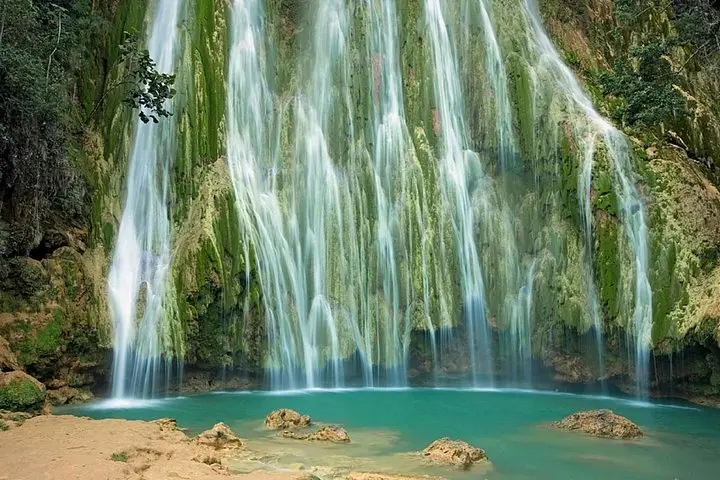
From the dock a horseback ride threads into the rainforest toward Limón Waterfall. The fall drops roughly 50 meters into a clear pool; water dares you to cool off and the pool obliges with a steady, refreshing push. Guides point out native trees and medicinal plants while the jungle keeps time—birds calling, branches shifting in warm trade winds.
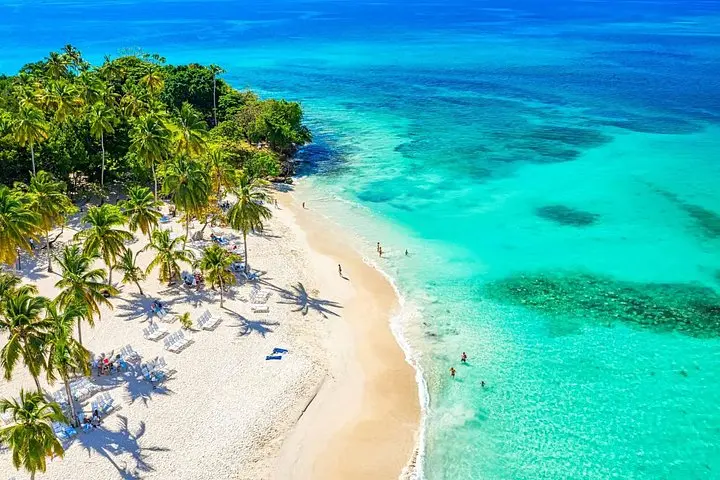
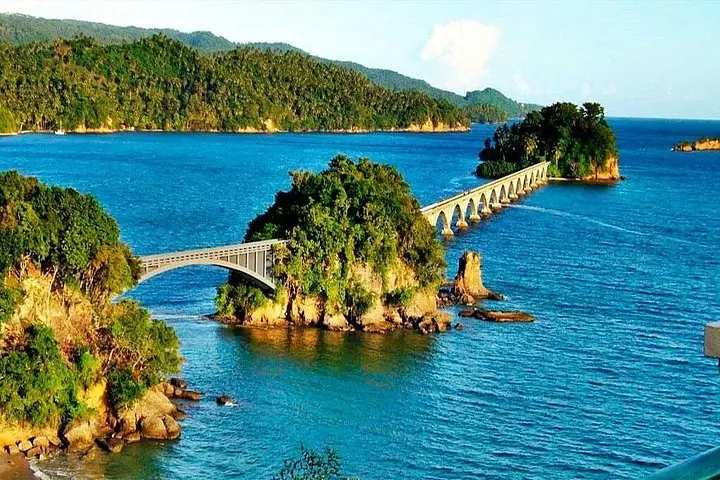
Samaná's coastline has long been a crossroads. Christopher Columbus anchored here in 1493; the bay later became a haven for buccaneers, fishermen and, in modern times, travelers seeking quieter beaches than the island's southern resorts. Geologically, the Samaná peninsula is an uplifted limestone shelf where cliffs and coves reflect tectonic nudges and reef-building over millennia. Cayo Levantado—locally called Bacardi Island—sits like a pale coin off the bay, its white sand and shallow turquoise shallows shaped by coral and broken shells.
Culture in the province balances Afro-Dominican fishing traditions with a growing ecotourism economy. Meals on the itinerary highlight simple, bold flavors: stewed meats, rice, fried plantains and tropical fruit, a practical reminder that this trip also feeds the local economy.
Practical guidance: it’s a full 10-hour day. Expect pickups from resorts in Punta Cana; plan to be ready when the driver calls. If you book the whale-watching window (January–early April), keep your camera handy—humpbacks and their calves surface within easy viewing range of the bay when conditions cooperate. Footwear matters: you’ll dismount for the waterfall and cross wet, uneven ground. Bring reef-safe sunscreen, a dry bag for electronics, a refillable water bottle and a light change of clothes for the afternoon on Cayo Levantado.
Pacing is simple: morning ride and waterfall dip, a short safari-style city tour that frames Samaná’s history, a countryside lunch, then a lazy afternoon on Cayo Levantado before the return shuttle. Guides are bilingual and meals, transport and basic amenities are included, which leaves you free to focus on the landscape rather than logistics.
For travelers who want a day that pairs motion with rest—horseback into jungle, history by truck, and a colonial-feel beach to close out—the Samaná trip delivers a rounded taste of the northeast Dominican Republic with practical comforts and enough open sky to keep it feeling like an escape.
No—whale watching is seasonal and weather-dependent; the best window is January to early April and sightings depend on sea conditions and migration timing.
The ride is moderate; riders should be able to mount a horse and sit for short stretches. Guides adapt pace for mixed fitness levels.
A Dominican buffet lunch is included, featuring local dishes and fresh fruit; beverages like soda are typically provided as noted in the inclusions.
Yes—hotel pickup from most Punta Cana resorts is offered; the exact meeting point and pickup time will be communicated after booking.
Yes—non-swimmers can stay at the pool edge or on shallow ledges; guides will advise safer viewing spots but water access is optional.
Bring swimwear, towel, sunscreen, light cash, and a dry change of clothes; snorkeling gear is optional but often available to rent locally.
Falolas Tours & Transfers operates guided outdoor trips and adventures with an emphasis on safety, stewardship, and memorable experiences.
The day begins with a boat's bow cutting into calm blue as the Punta Cana coastline recedes. Salt air fills the lean toward Samaná Bay and, if winter holds, seas that thrum with humpback song. Arriving by water gives the trip its tempo: open ocean, a shoreline that leans wild, and the expectation of a day that stitches together rainforest, history and beach time.
The day begins with a boat's bow cutting into calm blue as the Punta Cana coastline recedes. Salt air fills the lean toward Samaná Bay and, if winter holds, seas that thrum with humpback song. Arriving by water gives the trip its tempo: open ocean, a shoreline that leans wild, and the expectation of a day that stitches together rainforest, history and beach time.
From the dock a horseback ride threads into the rainforest toward Limón Waterfall. The fall drops roughly 50 meters into a clear pool; water dares you to cool off and the pool obliges with a steady, refreshing push. Guides point out native trees and medicinal plants while the jungle keeps time—birds calling, branches shifting in warm trade winds.
Samaná's coastline has long been a crossroads. Christopher Columbus anchored here in 1493; the bay later became a haven for buccaneers, fishermen and, in modern times, travelers seeking quieter beaches than the island's southern resorts. Geologically, the Samaná peninsula is an uplifted limestone shelf where cliffs and coves reflect tectonic nudges and reef-building over millennia. Cayo Levantado—locally called Bacardi Island—sits like a pale coin off the bay, its white sand and shallow turquoise shallows shaped by coral and broken shells.
Culture in the province balances Afro-Dominican fishing traditions with a growing ecotourism economy. Meals on the itinerary highlight simple, bold flavors: stewed meats, rice, fried plantains and tropical fruit, a practical reminder that this trip also feeds the local economy.
Practical guidance: it’s a full 10-hour day. Expect pickups from resorts in Punta Cana; plan to be ready when the driver calls. If you book the whale-watching window (January–early April), keep your camera handy—humpbacks and their calves surface within easy viewing range of the bay when conditions cooperate. Footwear matters: you’ll dismount for the waterfall and cross wet, uneven ground. Bring reef-safe sunscreen, a dry bag for electronics, a refillable water bottle and a light change of clothes for the afternoon on Cayo Levantado.
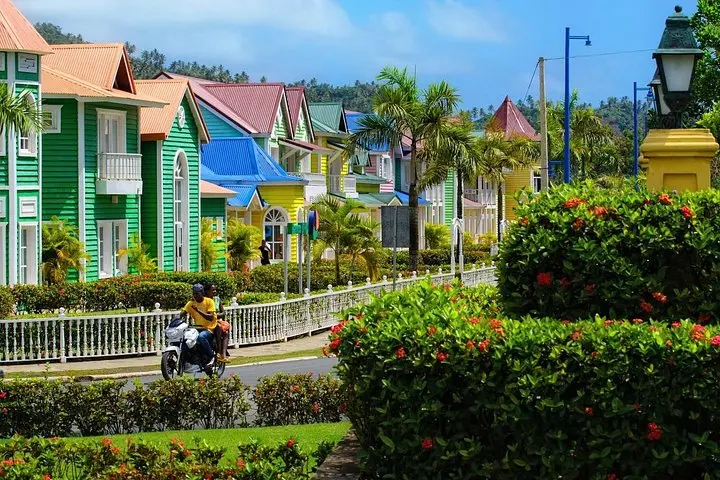
Pacing is simple: morning ride and waterfall dip, a short safari-style city tour that frames Samaná’s history, a countryside lunch, then a lazy afternoon on Cayo Levantado before the return shuttle. Guides are bilingual and meals, transport and basic amenities are included, which leaves you free to focus on the landscape rather than logistics.
For travelers who want a day that pairs motion with rest—horseback into jungle, history by truck, and a colonial-feel beach to close out—the Samaná trip delivers a rounded taste of the northeast Dominican Republic with practical comforts and enough open sky to keep it feeling like an escape.