THE ADVENTURE COLLECTIVE® · Independent discovery and booking for outdoor travel

Spend a full day in Bahía de Samaná tracking humpback whales by catamaran, then unwind on the sugar sands of Cayo Levantado. This practical guide covers what to expect, when to go, and what to pack for a seamless whale-watching and beach day.
Spend a full day in Bahía de Samaná tracking humpback whales by catamaran, then unwind on the sugar sands of Cayo Levantado. This practical guide covers what to expect, when to go, and what to pack for a seamless whale-watching and beach day.
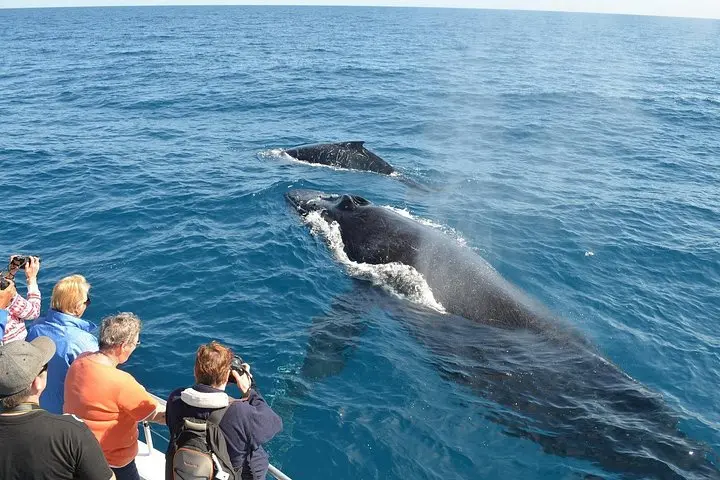
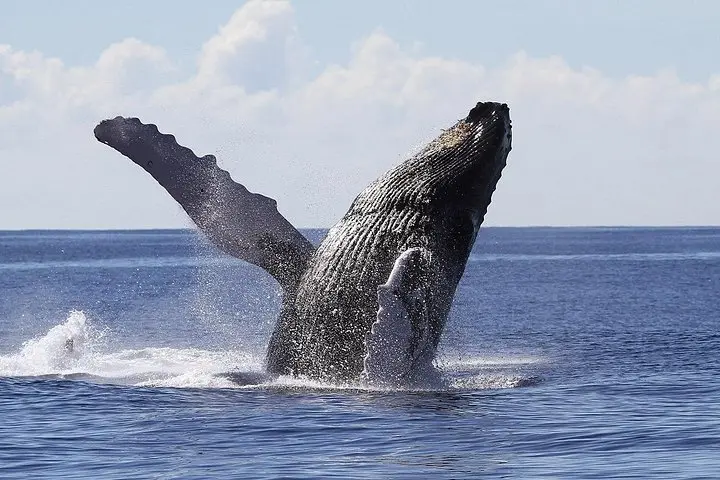
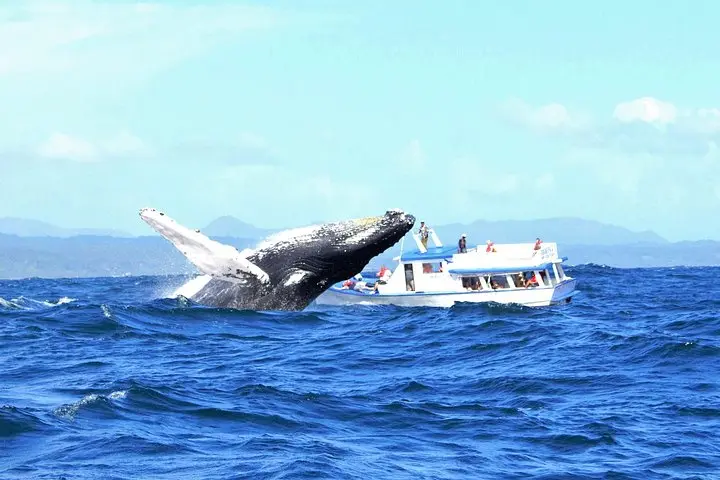
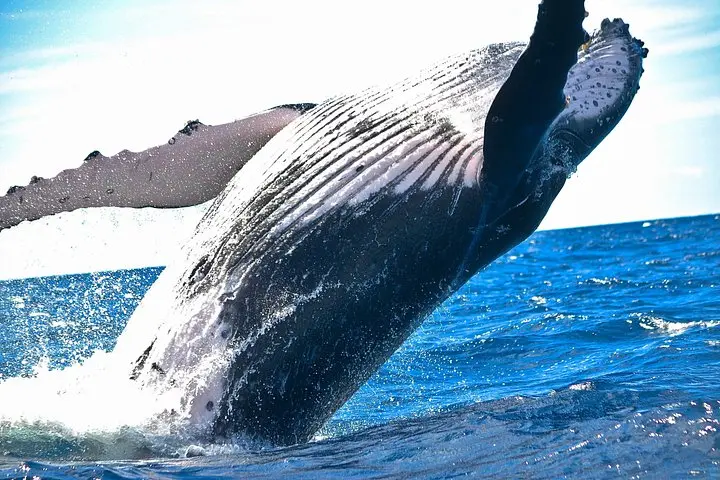
The ocean doesn't wait long to make its presence known. By midmorning, the catamaran slips out of Santa Bárbara de Samaná under a light trade wind and the bay opens like a stage. Salt lifts off the water; gulls quarrel above the bow. Then, a spray at the horizon—an arcing tail, the slow, deliberate language of humpback whales writing themselves across the sea.
Verified experiences and guided adventures in the surrounding area.
Operated by Ballenas · Santa Bárbara de Samaná, Samaná Province
The ocean doesn't wait long to make its presence known. By midmorning, the catamaran slips out of Santa Bárbara de Samaná under a light trade wind and the bay opens like a stage. Salt lifts off the water; gulls quarrel above the bow. Then, a spray at the horizon—an arcing tail, the slow, deliberate language of humpback whales writing themselves across the sea.
This is a full-day outing: about 8–9 hours from a morning meet at Samaná port to late-afternoon return, capped by a shallow-water interlude at Cayo Levantado (often called Bacardi Island). The day balances wildlife watching in Bahía de Samaná—one of the world’s most reliable wintering grounds for North Atlantic humpbacks—with beach time on a low, sandy cay framed by coconut palms.
Geology and culture press beneath the surface. The Samaná Peninsula is a mosaic of uplifted limestone and coral platforms; Cayo Levantado itself is a small coral-limestone outcrop, its white sand born from crushed reefs and shells. The bay’s protected geometry—shallow shelves and a wide inlet—creates a calm nursery where humpbacks come each season to breed and calf. Local communities have long mixed fishing, boatbuilding and seasonal tourism, and the island’s nickname “Bacardi” is a modern quirk that hints at the mid-20th-century boom in visitor lore.
On the water the operator runs shared catamarans or motorboats (group cap about 39). Guides monitor the whales, coordinate safe viewing distances, and anchor at Cayo Levantado for lunch on the beach—standard fare with vegetarian or vegan options available by request.
Practical guide: plan for a long day. Bring reef-safe sunscreen, hat, and sunglasses; the Caribbean sun is insistent. A mid-telephoto lens (200–400mm equivalent) and a fast shutter help freeze whale blows and tail slaps. Expect short periods of active searching interspersed with long, quiet watches—patience pays. Seasick-prone travelers should take medication before boarding; while the bay is generally calm, offshore swells can roll.
Accessibility and safety: the tour notes wheelchair- and stroller-accessible options and is suitable for most fitness levels, but boarding a boat and stepping on wet sand at the cay requires basic balance. The operator reserves the right to cancel for weather; note the booking's all-sales-final policy.
Timing your trip: humpback season peaks January–March; numbers drop outside these months. If you want crowd avoidance, choose an early departure and midweek date. Finally, treat the animals and reefs with respect—observe distance guidelines, avoid touching marine life, and take all trash back to the mainland. The day is a careful choreography: people, ocean, and whales sharing a very finite stage.
Peak season is January through March when whales migrate to the bay to breed and calf; sightings are still possible outside these months but less frequent.
Yes—its shallow, sandy shore is great for swimming; snorkeling is limited by reef proximity and should be done with care to avoid damaging corals.
Yes—the operator can accommodate vegan requests if you indicate dietary needs when booking or at check-in.
The tour lists wheelchair-accessible options, but boarding and beach access may require assistance—confirm specifics with the operator before booking.
The operator may cancel for safety; while weather cancellations occur, the booking is listed as all-sales-final so ask about alternatives or rescheduling policies before purchase.
Boats generally stay within Bahía de Samaná’s protected waters; guides aim to balance close viewing opportunities with required safe distances, often within a few hundred meters of sightings.
Ballenas operates guided outdoor trips and adventures with an emphasis on safety, stewardship, and memorable experiences.
The ocean doesn't wait long to make its presence known. By midmorning, the catamaran slips out of Santa Bárbara de Samaná under a light trade wind and the bay opens like a stage. Salt lifts off the water; gulls quarrel above the bow. Then, a spray at the horizon—an arcing tail, the slow, deliberate language of humpback whales writing themselves across the sea.
The ocean doesn't wait long to make its presence known. By midmorning, the catamaran slips out of Santa Bárbara de Samaná under a light trade wind and the bay opens like a stage. Salt lifts off the water; gulls quarrel above the bow. Then, a spray at the horizon—an arcing tail, the slow, deliberate language of humpback whales writing themselves across the sea.
This is a full-day outing: about 8–9 hours from a morning meet at Samaná port to late-afternoon return, capped by a shallow-water interlude at Cayo Levantado (often called Bacardi Island). The day balances wildlife watching in Bahía de Samaná—one of the world’s most reliable wintering grounds for North Atlantic humpbacks—with beach time on a low, sandy cay framed by coconut palms.
Geology and culture press beneath the surface. The Samaná Peninsula is a mosaic of uplifted limestone and coral platforms; Cayo Levantado itself is a small coral-limestone outcrop, its white sand born from crushed reefs and shells. The bay’s protected geometry—shallow shelves and a wide inlet—creates a calm nursery where humpbacks come each season to breed and calf. Local communities have long mixed fishing, boatbuilding and seasonal tourism, and the island’s nickname “Bacardi” is a modern quirk that hints at the mid-20th-century boom in visitor lore.
On the water the operator runs shared catamarans or motorboats (group cap about 39). Guides monitor the whales, coordinate safe viewing distances, and anchor at Cayo Levantado for lunch on the beach—standard fare with vegetarian or vegan options available by request.
Practical guide: plan for a long day. Bring reef-safe sunscreen, hat, and sunglasses; the Caribbean sun is insistent. A mid-telephoto lens (200–400mm equivalent) and a fast shutter help freeze whale blows and tail slaps. Expect short periods of active searching interspersed with long, quiet watches—patience pays. Seasick-prone travelers should take medication before boarding; while the bay is generally calm, offshore swells can roll.
Accessibility and safety: the tour notes wheelchair- and stroller-accessible options and is suitable for most fitness levels, but boarding a boat and stepping on wet sand at the cay requires basic balance. The operator reserves the right to cancel for weather; note the booking's all-sales-final policy.
Timing your trip: humpback season peaks January–March; numbers drop outside these months. If you want crowd avoidance, choose an early departure and midweek date. Finally, treat the animals and reefs with respect—observe distance guidelines, avoid touching marine life, and take all trash back to the mainland. The day is a careful choreography: people, ocean, and whales sharing a very finite stage.