THE ADVENTURE COLLECTIVE® · Independent discovery and booking for outdoor travel

Spend a full day chasing humpback whales in Samaná Bay, then recover on the white sands of Cayo Levantado. This Boca Chica departure pairs reliable whale sightings with a beachside Dominican lunch and easy snorkeling.
Spend a full day chasing humpback whales in Samaná Bay, then recover on the white sands of Cayo Levantado. This Boca Chica departure pairs reliable whale sightings with a beachside Dominican lunch and easy snorkeling.
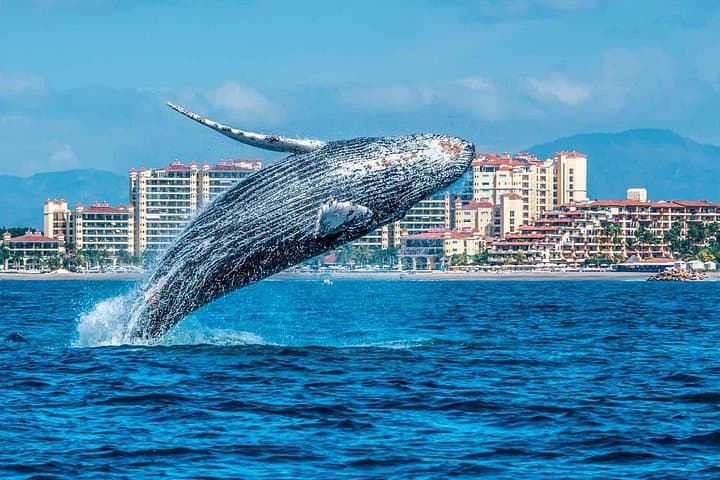
The boat pushes away from the Boca Chica pier and the coast of Santo Domingo slides into a low, blue line. Salt and diesel mingle in the air; passengers trade nervous laughter for binoculars. As the shoreline falls behind, the sea changes its voice—deeper, expectant. In Samaná Bay the water seems to swell with purpose, and before long a dark back arcs and a water column announces a humpback's arrival.
Verified experiences and guided adventures in the surrounding area.
Operated by Shelting Tours · Santa Bárbara de Samaná, Samaná Province
The boat pushes away from the Boca Chica pier and the coast of Santo Domingo slides into a low, blue line. Salt and diesel mingle in the air; passengers trade nervous laughter for binoculars. As the shoreline falls behind, the sea changes its voice—deeper, expectant. In Samaná Bay the water seems to swell with purpose, and before long a dark back arcs and a water column announces a humpback's arrival.
Humpback whales return to Samaná each winter to breed and calve, a migration that has shaped local life for generations. Indigenous Taíno communities once navigated these same currents; later, the bay became a hub for fishing and small-scale shipping. Geologically, the Samaná Peninsula is a raised table of coral limestone and volcanic sediments, its sheltered bay offering warm, shallow waters that mother whales favor. The small crescent of Cayo Levantado—known in pop culture as Bacardi Island—rises from that bay with powder-white sand and a fringe of coconut palms that lean like audience members toward the sea.
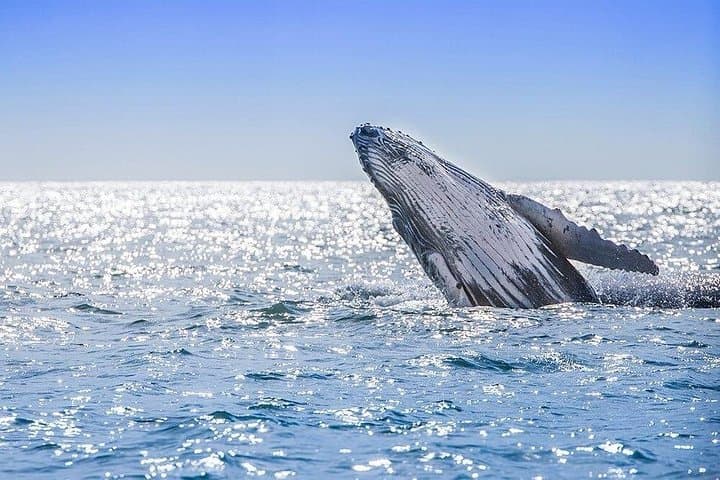
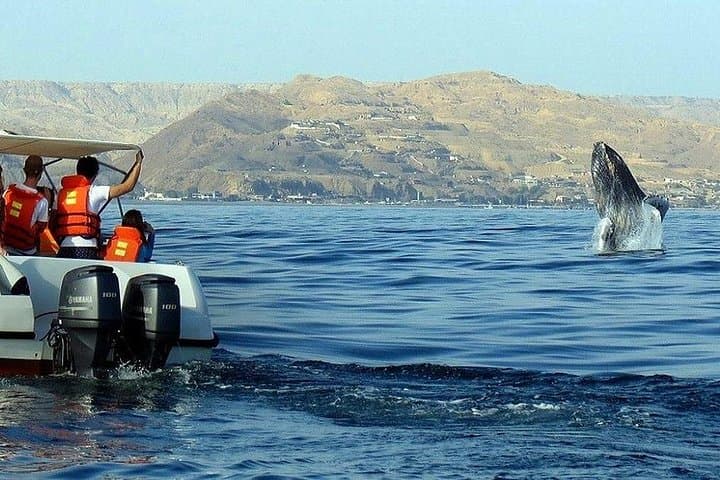
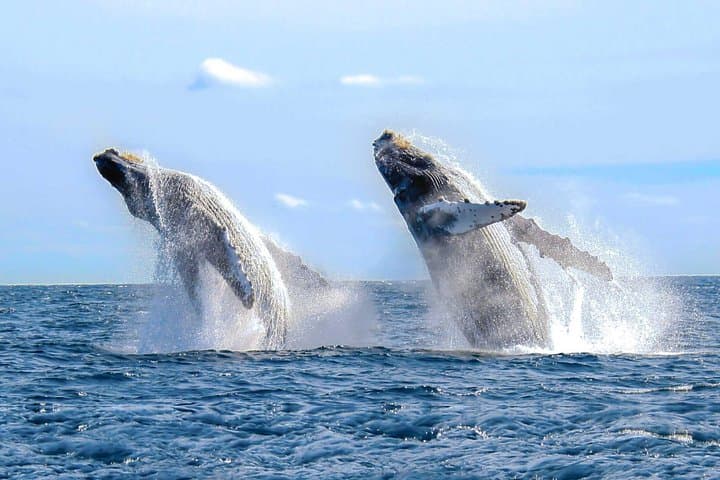
On a full-day trip from Boca Chica, guides steer for prime whale territory, scanning the surface for blows, tail slaps and breaches. The show runs on animal timing: sometimes loud and athletic, sometimes private and quiet, with males singing long, complex songs beneath the waves. After watching the whales, the boat eases to the sheltered shore of Cayo Levantado. Here the day slows: a Dominican lunch, the thin hiss of waves on sand, and clear water that makes snorkeling effortless.
Practicalities matter. Expect a full 8-hour day with round-trip transport, so bring sun protection, sea-sickness remedies if you’re sensitive, and a lightweight dry bag for cameras and phones. Guides follow local whale-watching regulations—keeping distance, minimizing engine noise—and tourism supports community incomes, from crew tips to island vendors.
Timing is simple: peak sightings run January through March when the bay is busiest with whales. Photography rewards patience and a fast shutter; telephoto lenses and binoculars are worth the pack weight. Mobility is easy: boarding is low-to-moderate, and the tour suits a wide range of fitness levels, but infants must sit on laps and expect basic marine motion.
This is a day built on contrasts—the raw power of the ocean up close, then the gentle inducement of an island beach. For travelers who want to see science and spectacle in the same afternoon, the Samaná Bay whale-watch followed by Cayo Levantado’s shoreline delivers both the breath-stealing and the surprisingly placid, all within a single, well-paced day trip.
The peak season is January through March when humpbacks migrate to breed and calve; sightings are most frequent then.
Yes—there’s a sheltered beach ideal for swimming and snorkeling; currents are typically mild but always heed guide advice.
Yes; the tour is family-friendly, but infants must sit on an adult's lap and parents should plan for sun and motion-sickness precautions.
This is a full 8-hour day that includes round-trip transport, a professional guide, snacks and a Dominican lunch on Cayo Levantado.
Take preventive medication before boarding, choose a central seat on the boat, look at the horizon, and stay hydrated.
Yes—local operators follow distance and approach protocols to minimize stress on whales and protect marine habitat.
Shelting Tours operates guided outdoor trips and adventures with an emphasis on safety, stewardship, and memorable experiences.
The boat pushes away from the Boca Chica pier and the coast of Santo Domingo slides into a low, blue line. Salt and diesel mingle in the air; passengers trade nervous laughter for binoculars. As the shoreline falls behind, the sea changes its voice—deeper, expectant. In Samaná Bay the water seems to swell with purpose, and before long a dark back arcs and a water column announces a humpback's arrival.
The boat pushes away from the Boca Chica pier and the coast of Santo Domingo slides into a low, blue line. Salt and diesel mingle in the air; passengers trade nervous laughter for binoculars. As the shoreline falls behind, the sea changes its voice—deeper, expectant. In Samaná Bay the water seems to swell with purpose, and before long a dark back arcs and a water column announces a humpback's arrival.
Humpback whales return to Samaná each winter to breed and calve, a migration that has shaped local life for generations. Indigenous Taíno communities once navigated these same currents; later, the bay became a hub for fishing and small-scale shipping. Geologically, the Samaná Peninsula is a raised table of coral limestone and volcanic sediments, its sheltered bay offering warm, shallow waters that mother whales favor. The small crescent of Cayo Levantado—known in pop culture as Bacardi Island—rises from that bay with powder-white sand and a fringe of coconut palms that lean like audience members toward the sea.
On a full-day trip from Boca Chica, guides steer for prime whale territory, scanning the surface for blows, tail slaps and breaches. The show runs on animal timing: sometimes loud and athletic, sometimes private and quiet, with males singing long, complex songs beneath the waves. After watching the whales, the boat eases to the sheltered shore of Cayo Levantado. Here the day slows: a Dominican lunch, the thin hiss of waves on sand, and clear water that makes snorkeling effortless.
Practicalities matter. Expect a full 8-hour day with round-trip transport, so bring sun protection, sea-sickness remedies if you’re sensitive, and a lightweight dry bag for cameras and phones. Guides follow local whale-watching regulations—keeping distance, minimizing engine noise—and tourism supports community incomes, from crew tips to island vendors.
Timing is simple: peak sightings run January through March when the bay is busiest with whales. Photography rewards patience and a fast shutter; telephoto lenses and binoculars are worth the pack weight. Mobility is easy: boarding is low-to-moderate, and the tour suits a wide range of fitness levels, but infants must sit on laps and expect basic marine motion.
This is a day built on contrasts—the raw power of the ocean up close, then the gentle inducement of an island beach. For travelers who want to see science and spectacle in the same afternoon, the Samaná Bay whale-watch followed by Cayo Levantado’s shoreline delivers both the breath-stealing and the surprisingly placid, all within a single, well-paced day trip.