THE ADVENTURE COLLECTIVE® · Independent discovery and booking for outdoor travel

Ride through forest to Limón Waterfall, swim beneath a 40–50m cascade, then sail to Cayo Levantado’s white-sand bay for beach time and snorkeling. This full-day trip from Punta Cana blends horseback trails, local food, and a catamaran stop at Bacardi Island.
Ride through forest to Limón Waterfall, swim beneath a 40–50m cascade, then sail to Cayo Levantado’s white-sand bay for beach time and snorkeling. This full-day trip from Punta Cana blends horseback trails, local food, and a catamaran stop at Bacardi Island.
You step off the safari truck into a humid blur of green — palms, guanábana trees and vines that slick with mist. The guides sling bridles over your shoulder and lead a row of horses up a narrow trail that climbs into a wall of forest. The air tastes like salt and wet earth; somewhere above, Limón Waterfall is announcing itself.
Verified experiences and guided adventures in the surrounding area.
Operated by Pa' conoce RD · Samaná, Samaná Province
You step off the safari truck into a humid blur of green — palms, guanábana trees and vines that slick with mist. The guides sling bridles over your shoulder and lead a row of horses up a narrow trail that climbs into a wall of forest. The air tastes like salt and wet earth; somewhere above, Limón Waterfall is announcing itself.
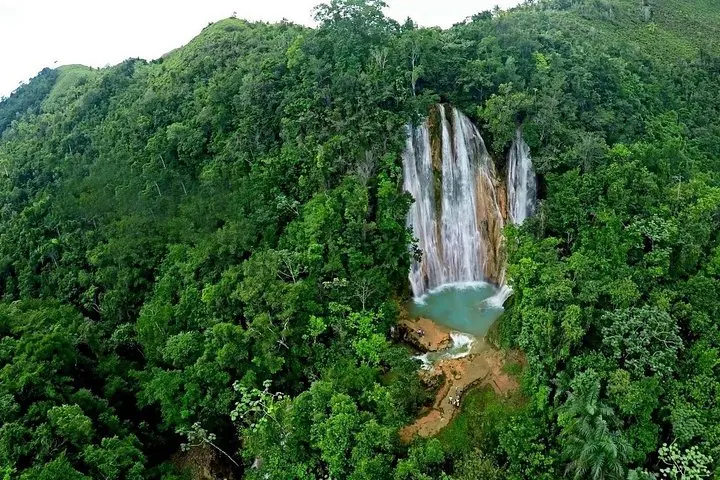
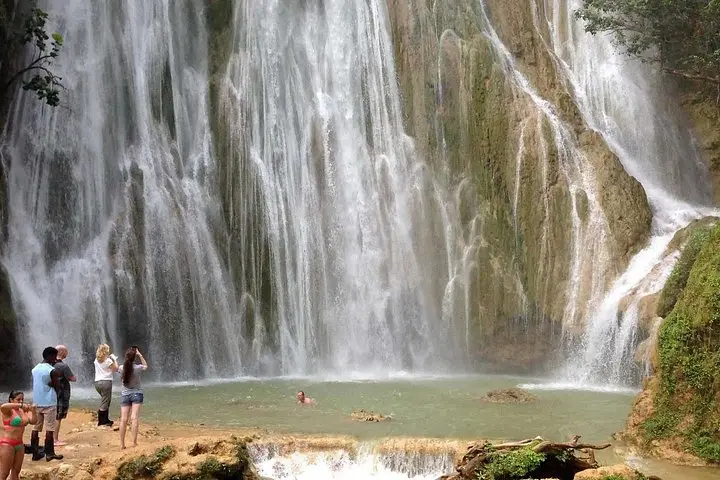
The day unfolds as a classic Dominican counterpoint: inland rainforest and a tumbling cascade, then the sudden hush of white sand and shallow Caribbean between boats and palm shadows on Cayo Levantado (Bacardi Island). The itinerary from Punta Cana or Bávaro runs about 10–11 hours total, with a roughly 2.5–3 hour drive each way to the Samaná Peninsula. On arrival you get a safari truck into the hills, a horseback approach to Salto El Limón (the fall plunges roughly 40–50 meters), a refreshing swim beneath lava-smooth rock, and a traditional Dominican lunch before boarding a catamaran for the short hop to Cayo Levantado, where you have about 90 minutes to soak, snorkel, and walk the shore.
Geologically the Samaná Peninsula is a remnant of uplifted coral and volcanic deposits shaped by Caribbean currents; the waterfall carves through limestone layers and over time has created the mossy amphitheater you stand under. Culturally, the bay was a crossroads for Taino communities and later for colonial fleets — today Samaná’s economy mixes fishing, tourism and a continuing tradition of community festivals where merengue and bachata remain central.
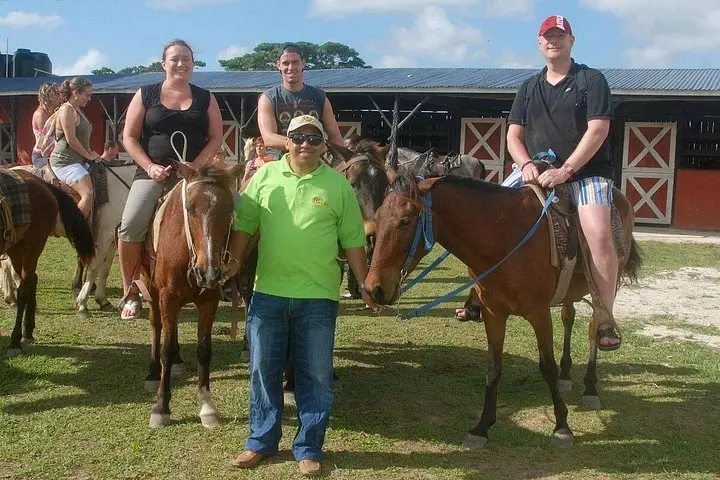
Practical details matter: trails to the fall are uneven and can be slippery after rain; heel-toe horseback steps will include short uphill sections and loose footing. Expect tropical heat — humidity spikes mid-afternoon and seas can be choppy in the wet season. The tour includes round-trip transport, guide, safari truck, horse ride, boat, and buffet-style Dominican lunch.
Plan for sun, slick rocks and salt. Wear quick-dry shorts, sturdy water shoes with grip for the waterfall, reef-safe sunscreen and a lightweight rain shell during May–November. Bring cash for small purchases and a waterproof bag for electronics. If you’re chasing whales, travel between January and March when humpbacks congregate in Samaná Bay.
This is a full, sensory day: rivers daring you into cool pools, horses nudging you along a humid trail, and an island that asks only that you slow down and listen to the sea. It’s accessible to most travelers with average fitness and offers a compact portrait of the Dominican Republic’s inland green and coastal blue in a single sweep.
The full-day excursion lasts about 10–11 hours from hotel pickup in Punta Cana/Bávaro, including travel time, activities and return.
Yes — the horseback portion is suitable for beginners; guides lead the group at a steady pace on a short uphill trail.
Generally yes for confident swimmers; water depth varies and rocks can be slippery, so use caution and follow your guide’s instructions.
The itinerary visits Samaná Bay — guides discuss humpback behavior when whales are present, but dedicated whale-watching sightings are seasonal (best Jan–Mar) and never guaranteed.
Bring swimwear, water shoes, sunscreen, insect repellent, a small dry bag, and cash for souvenirs or tips.
Yes — the tour includes round-trip transportation, a traditional Dominican buffet lunch, safari truck ride, horse ride and boat to Cayo Levantado.
Pa' conoce RD operates guided outdoor trips and adventures with an emphasis on safety, stewardship, and memorable experiences.
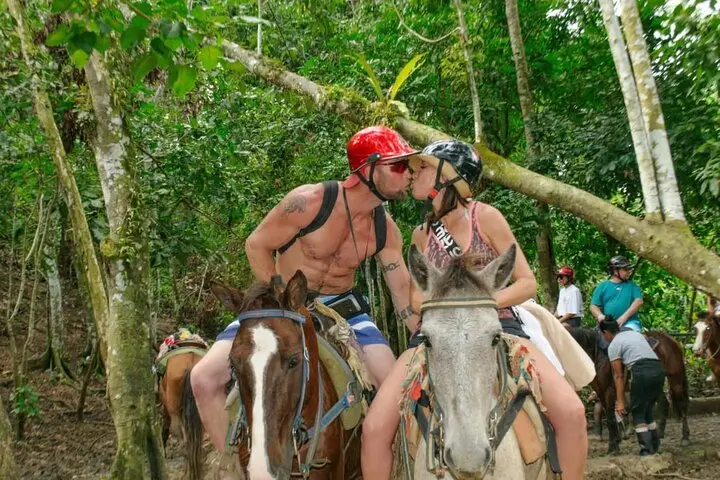
You step off the safari truck into a humid blur of green — palms, guanábana trees and vines that slick with mist. The guides sling bridles over your shoulder and lead a row of horses up a narrow trail that climbs into a wall of forest. The air tastes like salt and wet earth; somewhere above, Limón Waterfall is announcing itself.
You step off the safari truck into a humid blur of green — palms, guanábana trees and vines that slick with mist. The guides sling bridles over your shoulder and lead a row of horses up a narrow trail that climbs into a wall of forest. The air tastes like salt and wet earth; somewhere above, Limón Waterfall is announcing itself.
The day unfolds as a classic Dominican counterpoint: inland rainforest and a tumbling cascade, then the sudden hush of white sand and shallow Caribbean between boats and palm shadows on Cayo Levantado (Bacardi Island). The itinerary from Punta Cana or Bávaro runs about 10–11 hours total, with a roughly 2.5–3 hour drive each way to the Samaná Peninsula. On arrival you get a safari truck into the hills, a horseback approach to Salto El Limón (the fall plunges roughly 40–50 meters), a refreshing swim beneath lava-smooth rock, and a traditional Dominican lunch before boarding a catamaran for the short hop to Cayo Levantado, where you have about 90 minutes to soak, snorkel, and walk the shore.
Geologically the Samaná Peninsula is a remnant of uplifted coral and volcanic deposits shaped by Caribbean currents; the waterfall carves through limestone layers and over time has created the mossy amphitheater you stand under. Culturally, the bay was a crossroads for Taino communities and later for colonial fleets — today Samaná’s economy mixes fishing, tourism and a continuing tradition of community festivals where merengue and bachata remain central.
Practical details matter: trails to the fall are uneven and can be slippery after rain; heel-toe horseback steps will include short uphill sections and loose footing. Expect tropical heat — humidity spikes mid-afternoon and seas can be choppy in the wet season. The tour includes round-trip transport, guide, safari truck, horse ride, boat, and buffet-style Dominican lunch.
Plan for sun, slick rocks and salt. Wear quick-dry shorts, sturdy water shoes with grip for the waterfall, reef-safe sunscreen and a lightweight rain shell during May–November. Bring cash for small purchases and a waterproof bag for electronics. If you’re chasing whales, travel between January and March when humpbacks congregate in Samaná Bay.
This is a full, sensory day: rivers daring you into cool pools, horses nudging you along a humid trail, and an island that asks only that you slow down and listen to the sea. It’s accessible to most travelers with average fitness and offers a compact portrait of the Dominican Republic’s inland green and coastal blue in a single sweep.