THE ADVENTURE COLLECTIVE® · Independent discovery and booking for outdoor travel

Walk a shaded tropical trail and step into a curated butterfly garden near Sámara. This three‑hour tour pairs wildlife viewing—monkeys, birds, and dozens of butterfly species—with local natural history and practical, low‑impact outdoor skills.
Walk a shaded tropical trail and step into a curated butterfly garden near Sámara. This three‑hour tour pairs wildlife viewing—monkeys, birds, and dozens of butterfly species—with local natural history and practical, low‑impact outdoor skills.
Dawn breaks over the Pacific and the trail exhales a humid breath: leaf litter crunches beneath boots, and a procession of butterflies threads through shafts of light. On this three‑hour nature walk near Sámara, the forest opens and closes like a living room—canopy above, understory life moving just out of sight—while a compact butterfly garden offers a close‑up of winged color.
Verified experiences and guided adventures in the surrounding area.
Operated by Carrillo Tours · Sámara, Guanacaste
Dawn breaks over the Pacific and the trail exhales a humid breath: leaf litter crunches beneath boots, and a procession of butterflies threads through shafts of light. On this three‑hour nature walk near Sámara, the forest opens and closes like a living room—canopy above, understory life moving just out of sight—while a compact butterfly garden offers a close‑up of winged color.
The Nicoya Peninsula sits on volcanic soils shaped by uplift and erosion; here the landscape alternates between dry tropical forest and mangrove estuary. The area’s human story runs from Chorotega influence to cattle ranching and, more recently, small‑scale ecotourism. Local guides point out native trees, bird nesting sites, and the microhabitats that support caterpillars and pollinators.
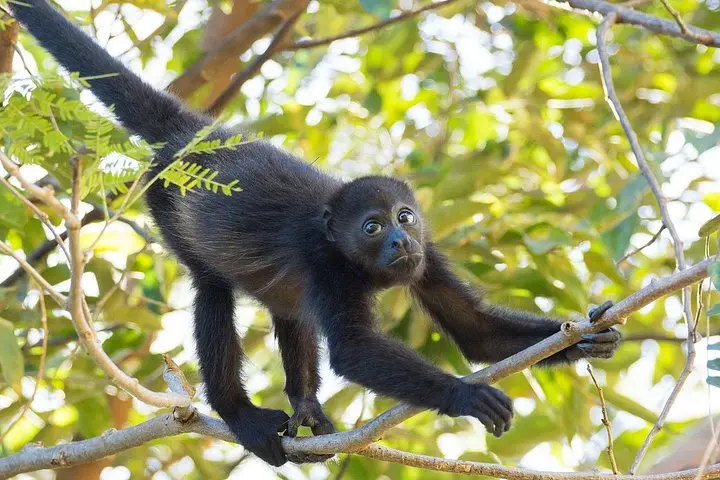
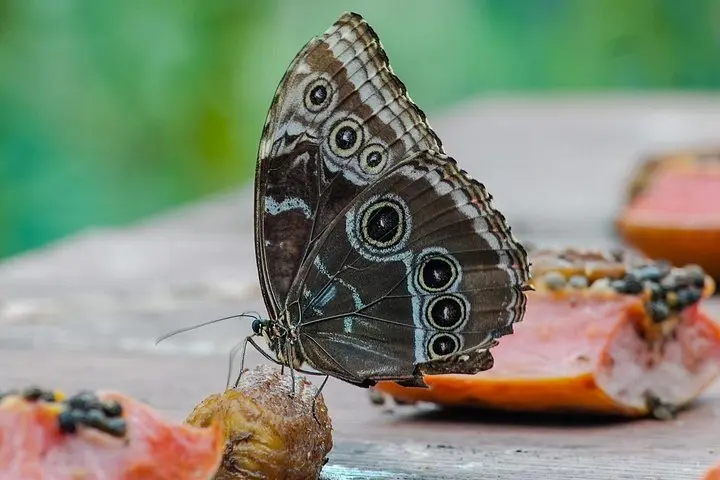
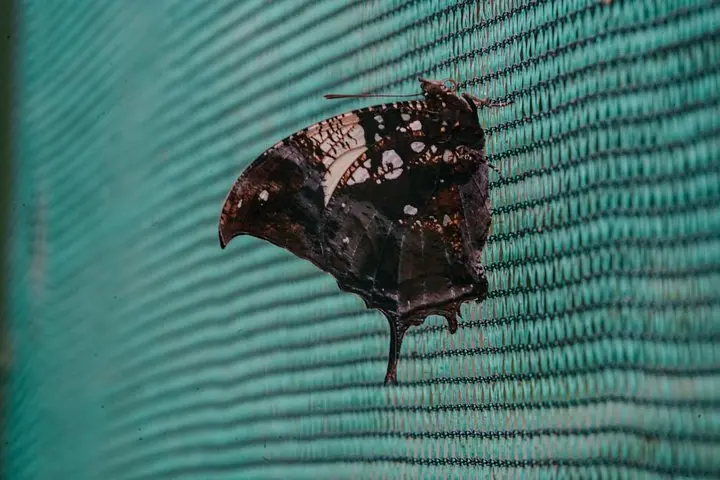
Expect dirt and root‑studded trails with gentle slopes—about 3–5 km total and roughly 100–200 m cumulative elevation gain—suitable for hikers in moderate condition. Wildlife highlights typically include howler and capuchin monkeys, trogons, and dozens of butterfly species in the garden; the guide will explain life cycles and conservation practices.
Practicalities: morning departures maximize wildlife sightings and avoid afternoon rain. The operator usually provides private transport from Sámara, plus water and fruit. Wear grippy shoes, bring insect repellent, and keep cameras ready but hands off fauna. Respect the garden’s viewing rules to avoid stressing butterflies and nesting birds.
This is a low‑impact, interpretive hike—ideal for travelers who want close encounters with tropical wildlife without technical terrain or long distances.
The trail is moderate—mostly packed dirt with roots and short inclines; suitable for most people with average mobility.
Yes—howler and capuchin monkeys and a variety of tropical birds are common, especially in the morning hours.
Yes—children can enjoy close views of butterflies but must follow garden rules and avoid touching specimens.
Tours may be adjusted or canceled in heavy rain; light showers are common and manageable with proper footwear and rain gear.
Carrillo Tours operates guided outdoor trips and adventures with an emphasis on safety, stewardship, and memorable experiences.
Dawn breaks over the Pacific and the trail exhales a humid breath: leaf litter crunches beneath boots, and a procession of butterflies threads through shafts of light. On this three‑hour nature walk near Sámara, the forest opens and closes like a living room—canopy above, understory life moving just out of sight—while a compact butterfly garden offers a close‑up of winged color.
Dawn breaks over the Pacific and the trail exhales a humid breath: leaf litter crunches beneath boots, and a procession of butterflies threads through shafts of light. On this three‑hour nature walk near Sámara, the forest opens and closes like a living room—canopy above, understory life moving just out of sight—while a compact butterfly garden offers a close‑up of winged color.
The Nicoya Peninsula sits on volcanic soils shaped by uplift and erosion; here the landscape alternates between dry tropical forest and mangrove estuary. The area’s human story runs from Chorotega influence to cattle ranching and, more recently, small‑scale ecotourism. Local guides point out native trees, bird nesting sites, and the microhabitats that support caterpillars and pollinators.
Expect dirt and root‑studded trails with gentle slopes—about 3–5 km total and roughly 100–200 m cumulative elevation gain—suitable for hikers in moderate condition. Wildlife highlights typically include howler and capuchin monkeys, trogons, and dozens of butterfly species in the garden; the guide will explain life cycles and conservation practices.
Practicalities: morning departures maximize wildlife sightings and avoid afternoon rain. The operator usually provides private transport from Sámara, plus water and fruit. Wear grippy shoes, bring insect repellent, and keep cameras ready but hands off fauna. Respect the garden’s viewing rules to avoid stressing butterflies and nesting birds.
This is a low‑impact, interpretive hike—ideal for travelers who want close encounters with tropical wildlife without technical terrain or long distances.