THE ADVENTURE COLLECTIVE® · Independent discovery and booking for outdoor travel

Spend a long day driving from Delhi to Agra to visit the Taj Mahal and Agra Fort with private transport and a local guide. Plan for early starts, security checks, and either included or on-site ticket purchases; arrive at first light to beat crowds and heat.
Spend a long day driving from Delhi to Agra to visit the Taj Mahal and Agra Fort with private transport and a local guide. Plan for early starts, security checks, and either included or on-site ticket purchases; arrive at first light to beat crowds and heat.
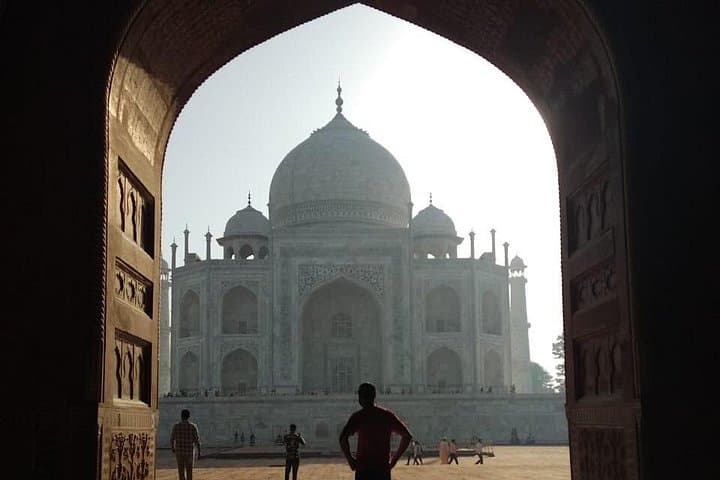
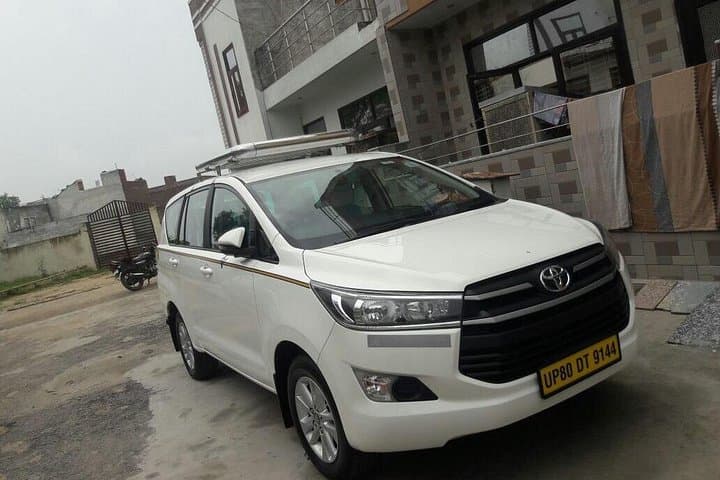
A pre-dawn departure from Delhi sets the tone: headlights cut through the cool air as the private car eases onto the Yamuna Expressway and the city recedes. By first light the Taj Mahal appears across the river — the marble catching a pale gold that changes with every minute — and the day becomes about seeing two Mughal masterpieces with calm and purpose.
Verified experiences and guided adventures in the surrounding area.
Operated by Ajay Day Tours · Agra, Uttar Pradesh
A pre-dawn departure from Delhi sets the tone: headlights cut through the cool air as the private car eases onto the Yamuna Expressway and the city recedes. By first light the Taj Mahal appears across the river — the marble catching a pale gold that changes with every minute — and the day becomes about seeing two Mughal masterpieces with calm and purpose.
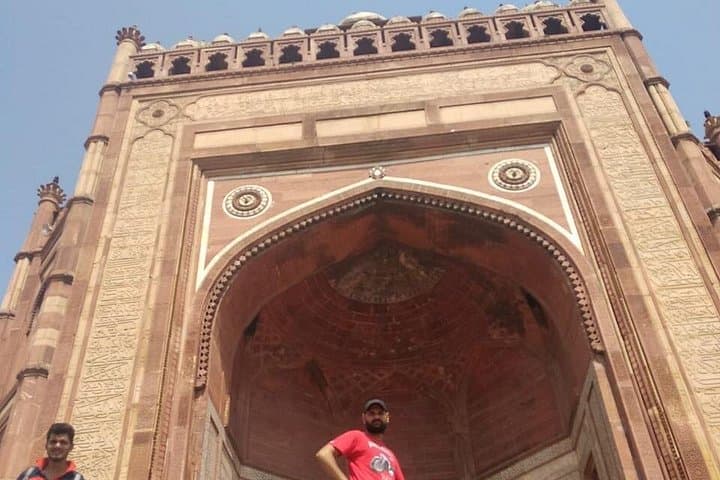
The Taj Mahal, begun in 1632 by Shah Jahan, is a study in marble craftsmanship and symmetrical geometry, while Agra Fort, built largely from red sandstone, records the dynasty’s earlier military and residential architecture. The Yamuna’s slow current frames both sites and Mehtab Bagh across the river offers a quieter vantage for photos at sunset.
Culturally, Agra evolved as a trade and imperial center; bazaars near the sites still trade in marble inlay, leather goods, and petha sweets. Geologically, the white marble and red sandstone come from regional quarries—weather and pollution have shaped conservation priorities here.
Practically, expect about 3–4 hours driving each way from Delhi, 2 hours at the Taj and about an hour at Agra Fort under typical itineraries. Tickets may be included when booked “all inclusive”; otherwise purchase on arrival and carry passport/ID for foreign nationals. Security screening is strict, shoes may need to be removed or covered, and peak heat runs from late spring to summer. Bring sun protection, water, and comfortable walking shoes. Early mornings avoid crowds and harsh light; Fridays close the Taj to general visitors. With planning, a single long day delivers two of India’s most photographed monuments while leaving time to taste local markets and gardens.
Expect roughly 3–4 hours each way via Yamuna Expressway depending on traffic; drivers typically allow a 10–12 hour total day including stops.
Some bookings include monument entry; check your ticket option. If not included, tickets are purchased on-site or through the guide, and foreign visitors should carry passports.
The Taj Mahal is closed to general visitors on Fridays for prayer, though nearby grounds may remain accessible; plan itineraries accordingly.
Private transportation is wheelchair accessible per the operator, and there is limited ramp access at the monuments, but some areas have steps — confirm accessibility needs with the provider ahead of booking.
Ajay Day Tours operates guided outdoor trips and adventures with an emphasis on safety, stewardship, and memorable experiences.

A pre-dawn departure from Delhi sets the tone: headlights cut through the cool air as the private car eases onto the Yamuna Expressway and the city recedes. By first light the Taj Mahal appears across the river — the marble catching a pale gold that changes with every minute — and the day becomes about seeing two Mughal masterpieces with calm and purpose.
A pre-dawn departure from Delhi sets the tone: headlights cut through the cool air as the private car eases onto the Yamuna Expressway and the city recedes. By first light the Taj Mahal appears across the river — the marble catching a pale gold that changes with every minute — and the day becomes about seeing two Mughal masterpieces with calm and purpose.
The Taj Mahal, begun in 1632 by Shah Jahan, is a study in marble craftsmanship and symmetrical geometry, while Agra Fort, built largely from red sandstone, records the dynasty’s earlier military and residential architecture. The Yamuna’s slow current frames both sites and Mehtab Bagh across the river offers a quieter vantage for photos at sunset.
Culturally, Agra evolved as a trade and imperial center; bazaars near the sites still trade in marble inlay, leather goods, and petha sweets. Geologically, the white marble and red sandstone come from regional quarries—weather and pollution have shaped conservation priorities here.
Practically, expect about 3–4 hours driving each way from Delhi, 2 hours at the Taj and about an hour at Agra Fort under typical itineraries. Tickets may be included when booked “all inclusive”; otherwise purchase on arrival and carry passport/ID for foreign nationals. Security screening is strict, shoes may need to be removed or covered, and peak heat runs from late spring to summer. Bring sun protection, water, and comfortable walking shoes. Early mornings avoid crowds and harsh light; Fridays close the Taj to general visitors. With planning, a single long day delivers two of India’s most photographed monuments while leaving time to taste local markets and gardens.