THE ADVENTURE COLLECTIVE® · Independent discovery and booking for outdoor travel

See Jaipur’s signature sites in one long day: Amer Fort’s ramparts, the honeycomb façade of Hawa Mahal and the stone instruments of Jantar Mantar. This roundtrip from Delhi packs history, architecture and bazaars into a single, carefully timed itinerary.
See Jaipur’s signature sites in one long day: Amer Fort’s ramparts, the honeycomb façade of Hawa Mahal and the stone instruments of Jantar Mantar. This roundtrip from Delhi packs history, architecture and bazaars into a single, carefully timed itinerary.
You arrive before sunrise in a city painted pink, the road easing into wide avenues and the scent of frying samosas pulling you toward narrow lanes. The day begins with Amer Fort’s ramparts rising above Maota Lake, sun catching on carved jharokhas while the fort’s courtyards open like chapters of Rajput history.
Verified experiences and guided adventures in the surrounding area.
Operated by TravExcel India Tours & Travel · Jaipur, Rajasthan
You arrive before sunrise in a city painted pink, the road easing into wide avenues and the scent of frying samosas pulling you toward narrow lanes. The day begins with Amer Fort’s ramparts rising above Maota Lake, sun catching on carved jharokhas while the fort’s courtyards open like chapters of Rajput history.
Jaipur was founded in 1727 by Sawai Jai Singh II and quickly became a princely capital; its streets, palaces and observatory reflect an 18th-century court that mixed Hindu Rajput and Mughal influences. Geologically, the city sits on Aravalli foothills—granite ridges that lend the Amer hill strong defensive positions and provide sweeping views across the plain.
Culturally, Jaipur remains a working city of markets, craftspeople and festivals: bazaars sell block-printed textiles, lac bangles and blue pottery, while the city’s planning—streets laid on a grid—still shows early modern urban ambition.
Practical guidance: Expect a long, full-day schedule (13–15 hours) with multiple sites and stairs. Entry tickets for Amer Fort, City Palace, Jantar Mantar and Hawa Mahal are usually included on organized tours, but carry ID and comfortable walking shoes; several sites have uneven stone steps and loose gravel. Start early to avoid afternoon heat and traffic, drink water regularly, and allot time for photos at Jal Mahal from the lakeshore.
Timing matters: mornings deliver softer light for architecture; late afternoons bring cooler air and long shadows across courtyards. Whether you’re focused on architecture, photography, or craft shopping, the pace is brisk—this is a highlights loop designed to show Jaipur’s best in a single day.
Roundtrip time is about 13–15 hours total; pickups in Delhi often begin very early (around 5:00–6:00 AM) to maximize time in Jaipur and return the same evening.
This tour notes that monument entry tickets for the listed sites are included, but always confirm at booking and carry ID for verification.
The tour is family-friendly but involves long travel and multiple staircases—children and older adults should be comfortable with extended days and short climbs.
Yes—most itineraries include brief stops at bazaars near City Palace; plan for short shopping windows rather than long browsing sessions.
TravExcel India Tours & Travel operates guided outdoor trips and adventures with an emphasis on safety, stewardship, and memorable experiences.
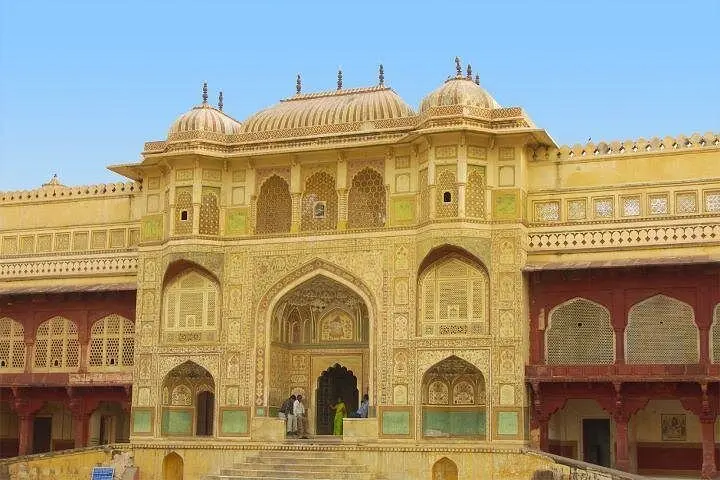
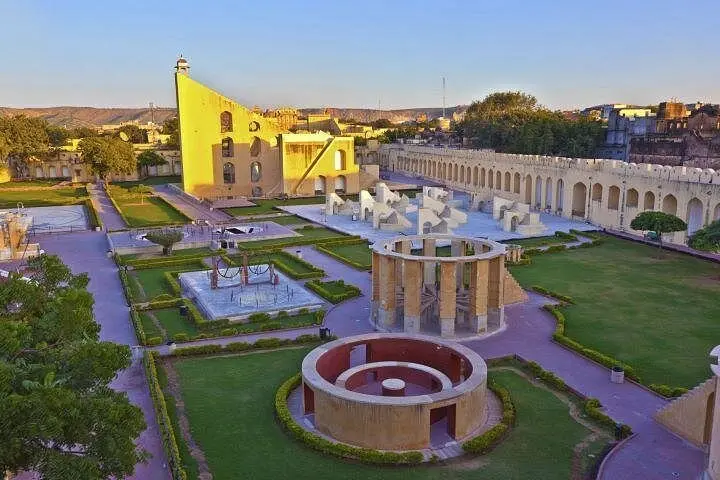
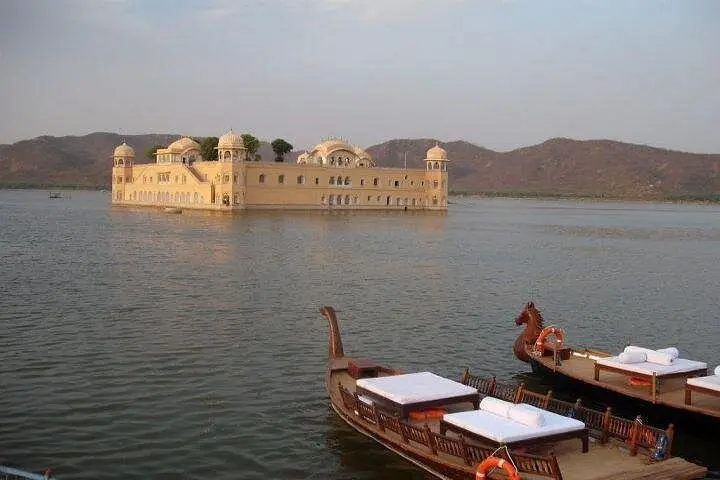
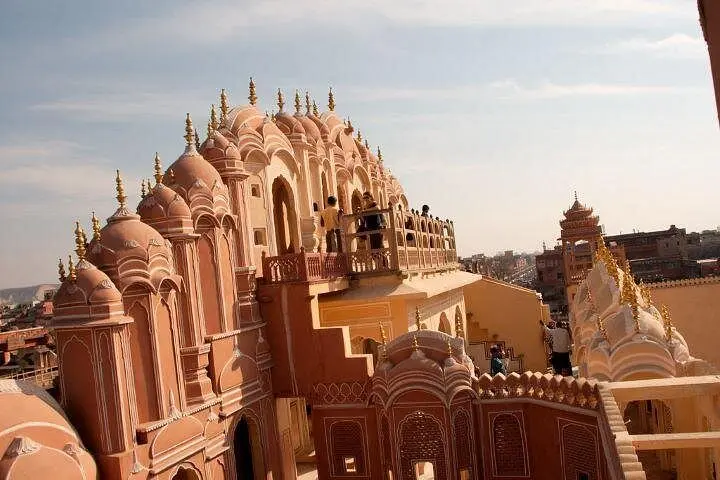
You arrive before sunrise in a city painted pink, the road easing into wide avenues and the scent of frying samosas pulling you toward narrow lanes. The day begins with Amer Fort’s ramparts rising above Maota Lake, sun catching on carved jharokhas while the fort’s courtyards open like chapters of Rajput history.
You arrive before sunrise in a city painted pink, the road easing into wide avenues and the scent of frying samosas pulling you toward narrow lanes. The day begins with Amer Fort’s ramparts rising above Maota Lake, sun catching on carved jharokhas while the fort’s courtyards open like chapters of Rajput history.
Jaipur was founded in 1727 by Sawai Jai Singh II and quickly became a princely capital; its streets, palaces and observatory reflect an 18th-century court that mixed Hindu Rajput and Mughal influences. Geologically, the city sits on Aravalli foothills—granite ridges that lend the Amer hill strong defensive positions and provide sweeping views across the plain.
Culturally, Jaipur remains a working city of markets, craftspeople and festivals: bazaars sell block-printed textiles, lac bangles and blue pottery, while the city’s planning—streets laid on a grid—still shows early modern urban ambition.
Practical guidance: Expect a long, full-day schedule (13–15 hours) with multiple sites and stairs. Entry tickets for Amer Fort, City Palace, Jantar Mantar and Hawa Mahal are usually included on organized tours, but carry ID and comfortable walking shoes; several sites have uneven stone steps and loose gravel. Start early to avoid afternoon heat and traffic, drink water regularly, and allot time for photos at Jal Mahal from the lakeshore.
Timing matters: mornings deliver softer light for architecture; late afternoons bring cooler air and long shadows across courtyards. Whether you’re focused on architecture, photography, or craft shopping, the pace is brisk—this is a highlights loop designed to show Jaipur’s best in a single day.