THE ADVENTURE COLLECTIVE® · Independent discovery and booking for outdoor travel

A full-day private transfer from Delhi delivers Jaipur’s top sights — Amber Fort, Hawa Mahal, City Palace and Jantar Mantar — in a single, long but efficient itinerary. Expect early pickup, hours on the road, and guided visits that balance history with practical logistics.
A full-day private transfer from Delhi delivers Jaipur’s top sights — Amber Fort, Hawa Mahal, City Palace and Jantar Mantar — in a single, long but efficient itinerary. Expect early pickup, hours on the road, and guided visits that balance history with practical logistics.
The road to Jaipur opens like a moving frame: mango groves and highway shacks slide past as the air takes on the dry warmth of Rajasthan. By mid-morning the city’s pink sandstone roofs and crenellated fort walls appear against a clear sky, and the itinerary tightens into a purposeful rhythm — forts, palaces, and an observatory that maps the heavens in stone.
Verified experiences and guided adventures in the surrounding area.
Operated by Atul Holidays · Jaipur, Rajasthan
The road to Jaipur opens like a moving frame: mango groves and highway shacks slide past as the air takes on the dry warmth of Rajasthan. By mid-morning the city’s pink sandstone roofs and crenellated fort walls appear against a clear sky, and the itinerary tightens into a purposeful rhythm — forts, palaces, and an observatory that maps the heavens in stone.
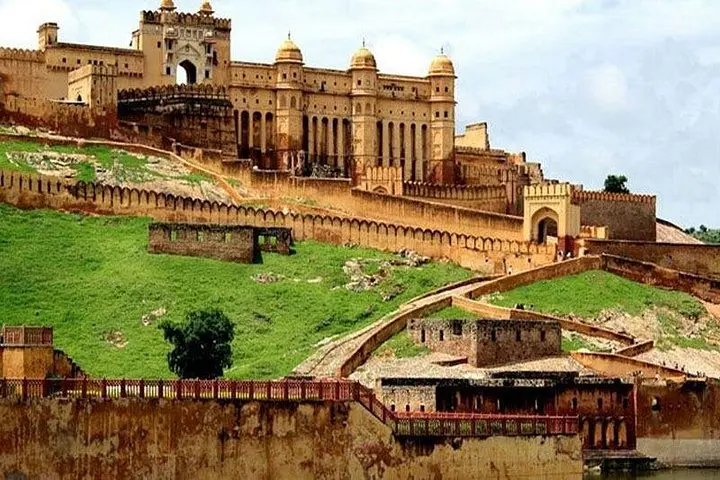
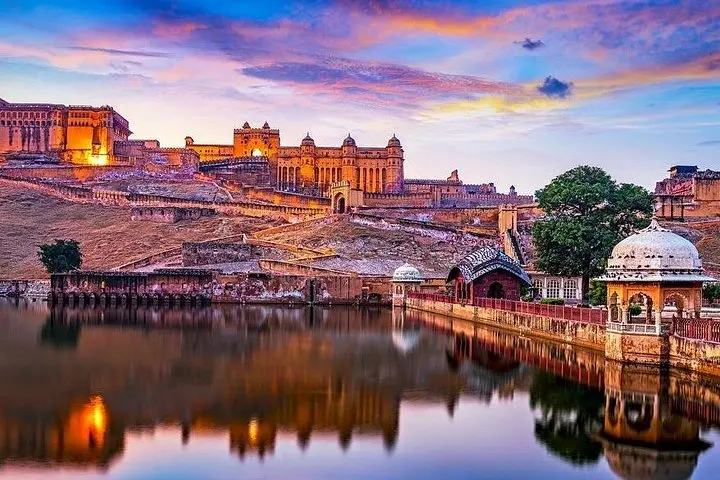
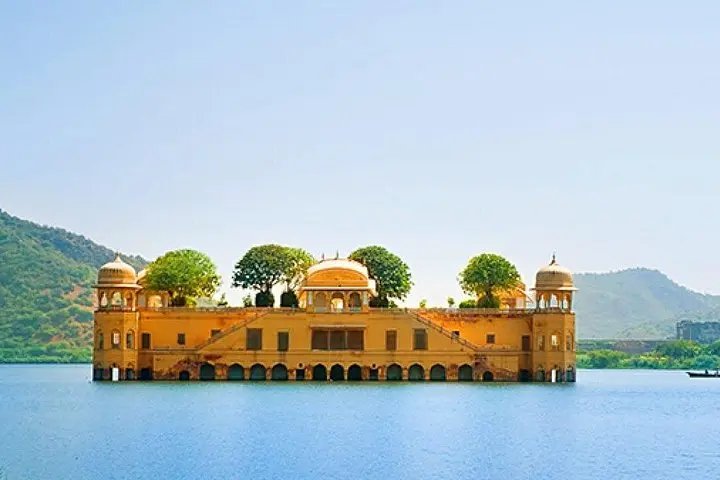
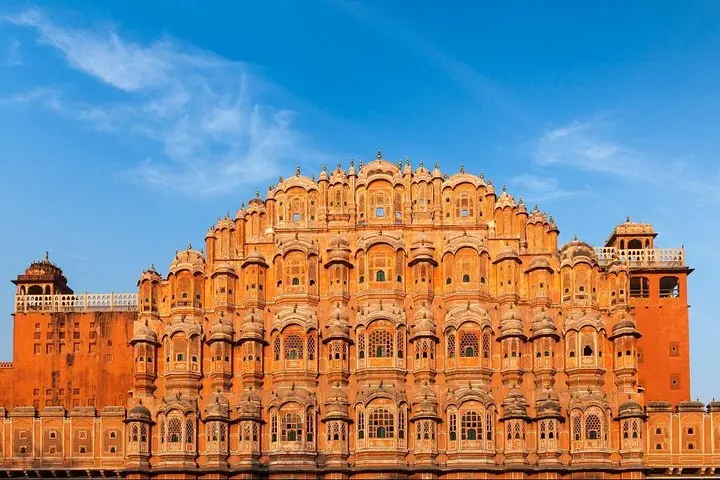
Jaipur was laid out in 1727 by Maharaja Sawai Jai Singh II as one of India’s earliest planned cities; its City Palace and Hawa Mahal speak to courtly life and climate-conscious design, while Amber Fort perches on ridges of Aravalli gneiss formed hundreds of millions of years ago. Jal Mahal sits calm in Man Sagar Lake, a reminder of layered water management and later restoration work.
The tour mixes architectural history with practical sightseeing: short stops at Hawa Mahal and Jantar Mantar let you see facade details and the giant sundials; Amber Fort’s ramparts demand steady shoes and a little stair work. Guides typically provide local context on Rajput courts, the astronomical instruments, and why Jaipur’s streets are a deliberate grid.
Plan for a long day — expect early pickup from Delhi, several hours on the road each way, and packed two-to-three hour visits at major sites. Bring sun protection, carry water, and leave valuables in your vehicle or hotel. Tickets, photo rules, and walking surfaces vary by site; confirm admission and any timing constraints with your operator before departure.
Expect roughly 4–5 hours each way depending on traffic; the tour schedules pickups early to allow time for sightseeing.
This tour typically includes guided commentary and transport; confirm whether individual monuments’ admissions are included when you book.
The itinerary is physically easy overall but involves stairs and walking; inform the operator about mobility needs and young children at booking.
Standard bookings provide hotel pickup and drop-off in central Delhi — request airport drop-off in advance as it may require an adjustment or fee.
Atul Holidays operates guided outdoor trips and adventures with an emphasis on safety, stewardship, and memorable experiences.
The road to Jaipur opens like a moving frame: mango groves and highway shacks slide past as the air takes on the dry warmth of Rajasthan. By mid-morning the city’s pink sandstone roofs and crenellated fort walls appear against a clear sky, and the itinerary tightens into a purposeful rhythm — forts, palaces, and an observatory that maps the heavens in stone.
The road to Jaipur opens like a moving frame: mango groves and highway shacks slide past as the air takes on the dry warmth of Rajasthan. By mid-morning the city’s pink sandstone roofs and crenellated fort walls appear against a clear sky, and the itinerary tightens into a purposeful rhythm — forts, palaces, and an observatory that maps the heavens in stone.
Jaipur was laid out in 1727 by Maharaja Sawai Jai Singh II as one of India’s earliest planned cities; its City Palace and Hawa Mahal speak to courtly life and climate-conscious design, while Amber Fort perches on ridges of Aravalli gneiss formed hundreds of millions of years ago. Jal Mahal sits calm in Man Sagar Lake, a reminder of layered water management and later restoration work.
The tour mixes architectural history with practical sightseeing: short stops at Hawa Mahal and Jantar Mantar let you see facade details and the giant sundials; Amber Fort’s ramparts demand steady shoes and a little stair work. Guides typically provide local context on Rajput courts, the astronomical instruments, and why Jaipur’s streets are a deliberate grid.
Plan for a long day — expect early pickup from Delhi, several hours on the road each way, and packed two-to-three hour visits at major sites. Bring sun protection, carry water, and leave valuables in your vehicle or hotel. Tickets, photo rules, and walking surfaces vary by site; confirm admission and any timing constraints with your operator before departure.