THE ADVENTURE COLLECTIVE® · Independent discovery and booking for outdoor travel

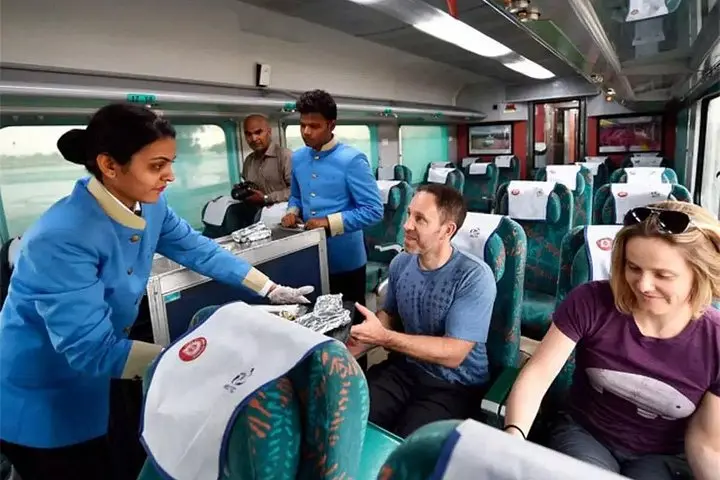
Ride India’s fast Shatabdi early to reach Agra at dawn, then move through the Taj Mahal, Agra Fort and Itmad-ud-Daulah with a local guide. This full-day rail tour balances efficient logistics with deep cultural context and practical advice for first-time visitors.
Ride India’s fast Shatabdi early to reach Agra at dawn, then move through the Taj Mahal, Agra Fort and Itmad-ud-Daulah with a local guide. This full-day rail tour balances efficient logistics with deep cultural context and practical advice for first-time visitors.
You step off the Shatabdi into the thick, warm air of Agra at first light, the city unfolding in ochre lanes and church-bell tempo of market calls. Your guide waits at the station with a placard; the morning moves with purpose—rice carts edging past air-conditioned sedans, and the Yamuna already carrying the first reflections of the white monument.
Verified experiences and guided adventures in the surrounding area.
Operated by Padma Holidays · Agra, Uttar Pradesh
You step off the Shatabdi into the thick, warm air of Agra at first light, the city unfolding in ochre lanes and church-bell tempo of market calls. Your guide waits at the station with a placard; the morning moves with purpose—rice carts edging past air-conditioned sedans, and the Yamuna already carrying the first reflections of the white monument.
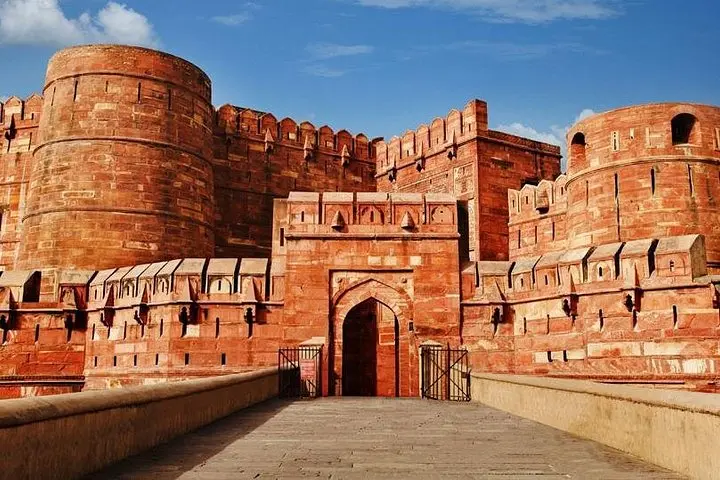
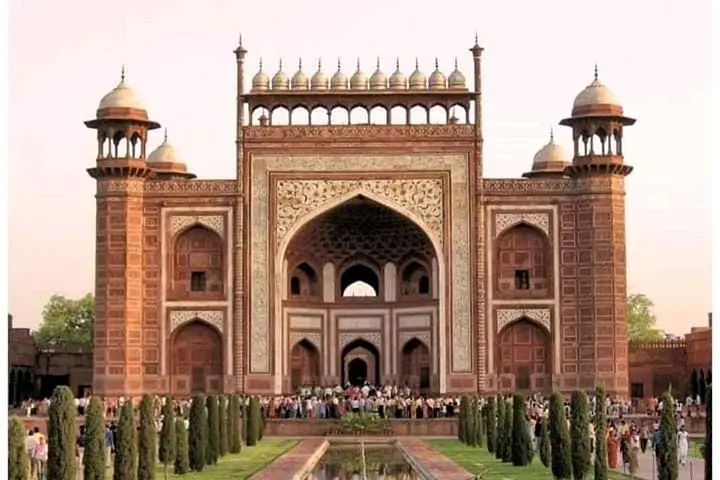
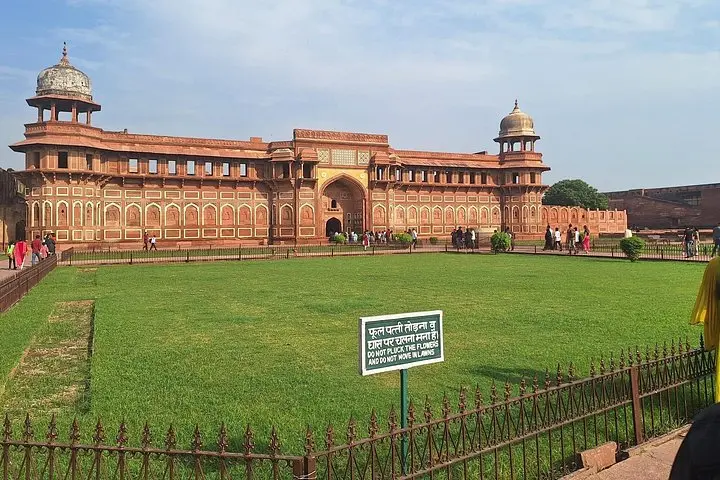
The day centers on three Mughal masterpieces: the Taj Mahal, born of Shah Jahan's grief and carved from luminous Makrana marble; Agra Fort, Akbar’s hulking red-sandstone citadel with its hidden optical tricks; and Itmad-ud-Daulah, the “Baby Taj” that narrates Taj’s architectural lineage. Geology here is shallow but decisive—local Makrana quarries yielded the marble, while the Yamuna’s floodplain shaped the city’s gardens and viewing points.
Culturally, Agra is both craft and commerce: marble inlay workshops, chai stalls, and bazaars where craftsmen demonstrate pietra dura. Conservation debates shadow the beauty—air pollution and river health inform current preservation efforts.
Practical guidance: the tour starts before dawn and returns to Delhi the same evening, so pack light for a long day, wear comfortable, modest clothing for mosque areas, and bring a passport for monument entry. Plan for security checks at each site, and curb expectations for a private quiet moment at the Taj—crowds are usual. If trains are unavailable, operators may substitute road transfers; confirm ticketing at booking. Timing your visit for early morning or late afternoon optimizes light, reduces heat, and gives the best chance for reflective photos at Mehtab Garden.
Monument entrance and fees are included when the tour option specifies them; confirm at booking and carry your ID for entry.
Operators will provide alternative transfers (typically a comfortable SUV) if train seats are unavailable; schedules are maintained but refunds are generally not provided for the substitution.
The Taj Mahal is closed on Fridays for congregational prayers; plan bookings on other days to ensure access.
Yes—the tour is paced for general fitness levels, but it includes walking and stairs; those with mobility issues should notify the operator in advance for accommodations.
Padma Holidays operates guided outdoor trips and adventures with an emphasis on safety, stewardship, and memorable experiences.
You step off the Shatabdi into the thick, warm air of Agra at first light, the city unfolding in ochre lanes and church-bell tempo of market calls. Your guide waits at the station with a placard; the morning moves with purpose—rice carts edging past air-conditioned sedans, and the Yamuna already carrying the first reflections of the white monument.
You step off the Shatabdi into the thick, warm air of Agra at first light, the city unfolding in ochre lanes and church-bell tempo of market calls. Your guide waits at the station with a placard; the morning moves with purpose—rice carts edging past air-conditioned sedans, and the Yamuna already carrying the first reflections of the white monument.
The day centers on three Mughal masterpieces: the Taj Mahal, born of Shah Jahan's grief and carved from luminous Makrana marble; Agra Fort, Akbar’s hulking red-sandstone citadel with its hidden optical tricks; and Itmad-ud-Daulah, the “Baby Taj” that narrates Taj’s architectural lineage. Geology here is shallow but decisive—local Makrana quarries yielded the marble, while the Yamuna’s floodplain shaped the city’s gardens and viewing points.
Culturally, Agra is both craft and commerce: marble inlay workshops, chai stalls, and bazaars where craftsmen demonstrate pietra dura. Conservation debates shadow the beauty—air pollution and river health inform current preservation efforts.
Practical guidance: the tour starts before dawn and returns to Delhi the same evening, so pack light for a long day, wear comfortable, modest clothing for mosque areas, and bring a passport for monument entry. Plan for security checks at each site, and curb expectations for a private quiet moment at the Taj—crowds are usual. If trains are unavailable, operators may substitute road transfers; confirm ticketing at booking. Timing your visit for early morning or late afternoon optimizes light, reduces heat, and gives the best chance for reflective photos at Mehtab Garden.