THE ADVENTURE COLLECTIVE® · Independent discovery and booking for outdoor travel

Ride India’s Bhopal Shatabdi to Agra for a compact, guided day at the Taj Mahal, Agra Fort and Mehtab Bagh. This first-class, skip-the-line tour balances rapid transit with focused on-site time—ideal for travelers short on time but keen on heritage.
Ride India’s Bhopal Shatabdi to Agra for a compact, guided day at the Taj Mahal, Agra Fort and Mehtab Bagh. This first-class, skip-the-line tour balances rapid transit with focused on-site time—ideal for travelers short on time but keen on heritage.
Dawn breaks as you step onto the platform, the air carrying the faint perfume of chai and diesel. The Bhopal Shatabdi slides out of New Delhi—fast, precise—and the landscape compresses into fields, villages and the steady curve of the Yamuna. By breakfast you’re heading into Agra, ready to trade carriage speed for the quiet sweep of white marble.
Verified experiences and guided adventures in the surrounding area.
Operated by Padma Holidays · Agra, Uttar Pradesh
Dawn breaks as you step onto the platform, the air carrying the faint perfume of chai and diesel. The Bhopal Shatabdi slides out of New Delhi—fast, precise—and the landscape compresses into fields, villages and the steady curve of the Yamuna. By breakfast you’re heading into Agra, ready to trade carriage speed for the quiet sweep of white marble.
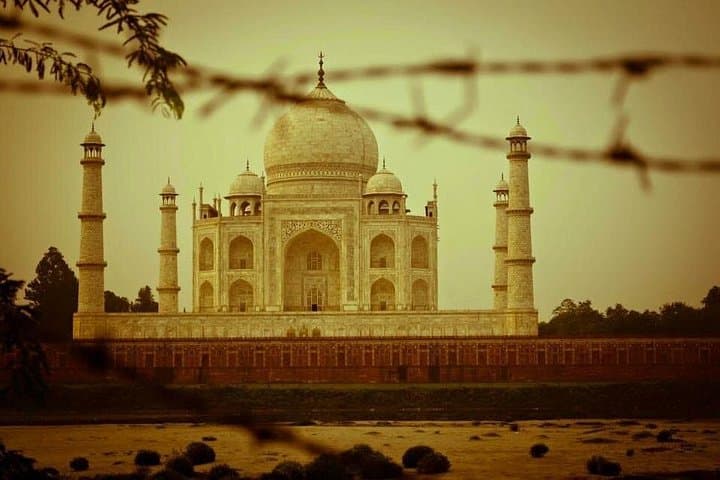
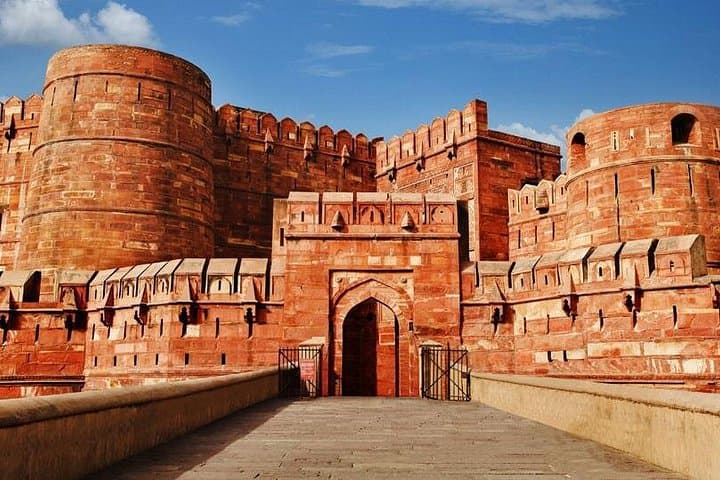
The Taj Mahal, begun in 1632 by Emperor Shah Jahan as a mausoleum for Mumtaz Mahal, is not only an architectural achievement but a record of Mughal ambition: pietra dura inlay, perfectly mirrored minarets, and marble that warms with the sun. The river Yamuna plays a secondary role—its shifting banks have always framed Agra’s fortunes and the gardens that fall away from the mound. Nearby Agra Fort and Mehtab Bagh add military and landscape chapters to the city’s story; the fort’s red sandstone contrasts deliberately with the Taj’s marble.
On a guided same-day trip you’ll move efficiently: skip-the-line access, a private AC vehicle between sites, and time for a museum or local marble workshop. Expect flat walking on paved paths, some steps inside forts, and routine security checks. Practical points: morning light is best at the Taj; Fridays are closed for prayer; modest dress and removed shoes are standard rules inside some compounds.
Plan for a long but comfortable day—carry water, wear sturdy shoes for stone surfaces, and keep photographic batteries charged. If the train option is unavailable, reputable operators will substitute road transfers; confirm pick-up and ticket details in advance to keep the day seamless.
The Taj Mahal is closed on Fridays for prayers; plan tours on other days and confirm the date before booking.
Operators typically substitute a comfortable road transfer (SUV or coach) to keep the itinerary; confirm alternatives and timing in advance.
Options vary—verify whether the tour price includes monument entrance; this specific service lists entrance fees as included with the tour option.
Security often restricts large bags and outside food—carry small personal items and expect bag checks at monument entrances.
Padma Holidays operates guided outdoor trips and adventures with an emphasis on safety, stewardship, and memorable experiences.


Dawn breaks as you step onto the platform, the air carrying the faint perfume of chai and diesel. The Bhopal Shatabdi slides out of New Delhi—fast, precise—and the landscape compresses into fields, villages and the steady curve of the Yamuna. By breakfast you’re heading into Agra, ready to trade carriage speed for the quiet sweep of white marble.
Dawn breaks as you step onto the platform, the air carrying the faint perfume of chai and diesel. The Bhopal Shatabdi slides out of New Delhi—fast, precise—and the landscape compresses into fields, villages and the steady curve of the Yamuna. By breakfast you’re heading into Agra, ready to trade carriage speed for the quiet sweep of white marble.
The Taj Mahal, begun in 1632 by Emperor Shah Jahan as a mausoleum for Mumtaz Mahal, is not only an architectural achievement but a record of Mughal ambition: pietra dura inlay, perfectly mirrored minarets, and marble that warms with the sun. The river Yamuna plays a secondary role—its shifting banks have always framed Agra’s fortunes and the gardens that fall away from the mound. Nearby Agra Fort and Mehtab Bagh add military and landscape chapters to the city’s story; the fort’s red sandstone contrasts deliberately with the Taj’s marble.
On a guided same-day trip you’ll move efficiently: skip-the-line access, a private AC vehicle between sites, and time for a museum or local marble workshop. Expect flat walking on paved paths, some steps inside forts, and routine security checks. Practical points: morning light is best at the Taj; Fridays are closed for prayer; modest dress and removed shoes are standard rules inside some compounds.
Plan for a long but comfortable day—carry water, wear sturdy shoes for stone surfaces, and keep photographic batteries charged. If the train option is unavailable, reputable operators will substitute road transfers; confirm pick-up and ticket details in advance to keep the day seamless.