THE ADVENTURE COLLECTIVE® · Independent discovery and booking for outdoor travel

Travel from Delhi to the Taj Mahal in a single day on the Gatimaan Express. This guided itinerary pairs high-speed rail comfort with visits to the Taj, Agra Fort, Baby Taj and local artisan markets.
Travel from Delhi to the Taj Mahal in a single day on the Gatimaan Express. This guided itinerary pairs high-speed rail comfort with visits to the Taj, Agra Fort, Baby Taj and local artisan markets.
You step onto the platform as first light slants across stainless rails — the Gatimaan Express waits like a promise of speed and comfort, carriage windows framing farmland that flattens into the broad sweep of the Yamuna plain.
Verified experiences and guided adventures in the surrounding area.
Operated by India Car Rentals · Agra, Uttar Pradesh
You step onto the platform as first light slants across stainless rails — the Gatimaan Express waits like a promise of speed and comfort, carriage windows framing farmland that flattens into the broad sweep of the Yamuna plain.
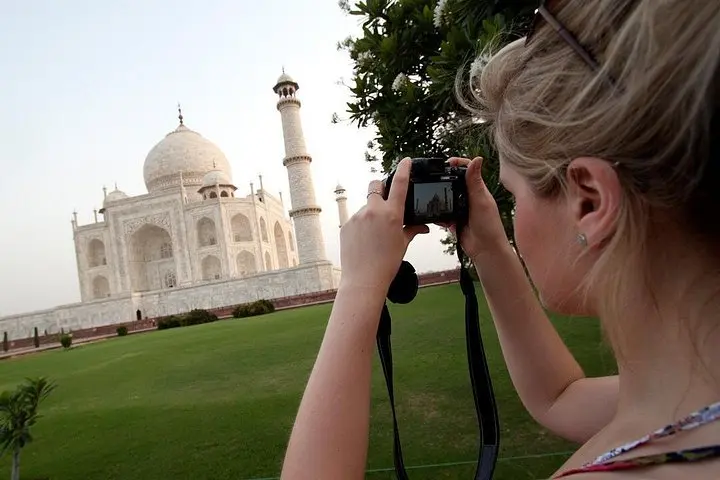
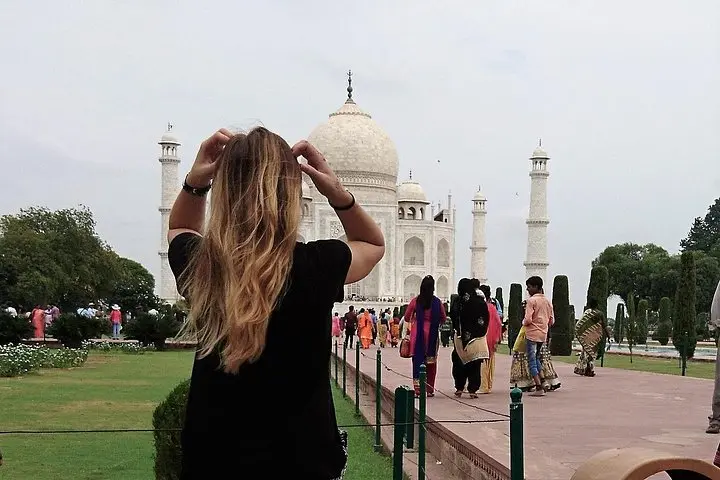
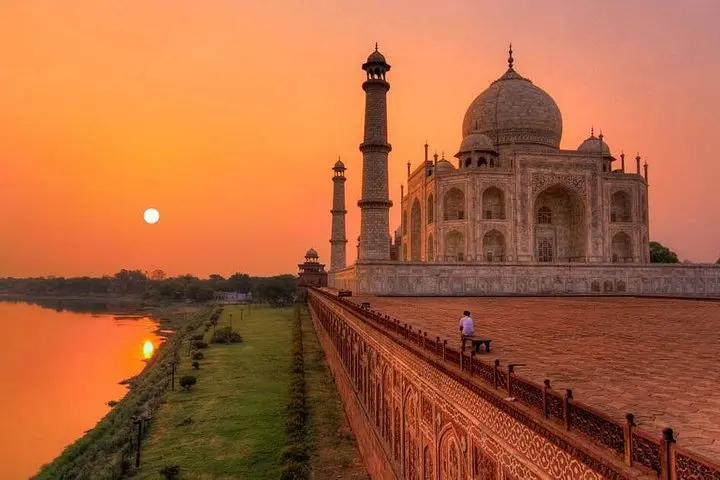
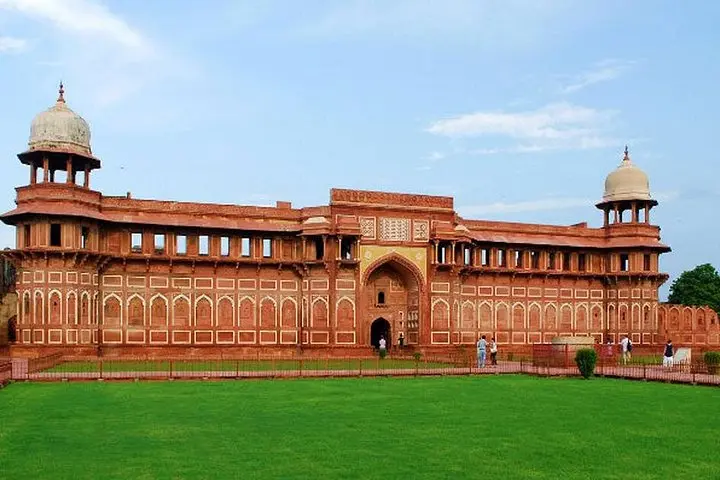
Two hours later the Taj Mahal rises from the riverbank: a white marble silhouette against a blue sky. Built in the mid-17th century by Emperor Shah Jahan as a mausoleum for Mumtaz Mahal, the monument’s Makrana marble shifts color with the hour. Nearby, Agra Fort’s red sandstone walls narrate Mughal power; Etimad-ud-Daulah (“Baby Taj”) shows the delicate pietra dura inlay that influenced later decorative work.
Geology here is simple and telltale — riverine alluvium, quarried marble, and the slow, erosive drama of the Yamuna that frames the site. Culturally, Agra is as much about living craft as landmark tourism: marble inlay workshops, hand-embroidered textiles, and bustling markets cluster within sight of the monument.
Practical guidance: the day runs long but light is the key — aim for morning or late afternoon photos. Foreign visitors must carry passport ID for train travel and ticket checks. Security at the Taj enforces bag and item restrictions; small backpacks are fine, tripods and drones are not. The tour includes breakfast and dinner on the train and private transfers in town, but monument entry fees are typically separate — confirm before you go. Expect paved gardens, marble platforms, occasional macaques and lots of walking; comfortable shoes, sun protection and patience with queues make the day smooth. Return to Delhi by evening, the carriage humming while the plains blur past on the way back.
Monument admission is typically not included—confirm with the operator and purchase tickets in advance where possible to skip queues.
Yes; a valid passport is required for foreigners when traveling by train and for identity checks at stations.
The Gatimaan Express provides reserved seating and onboard catering; this tour lists breakfast and dinner served on the train as included.
No technical demands, but it’s a long day with several short walks and standing during sightseeing; comfortable shoes and basic mobility are sufficient.
India Car Rentals operates guided outdoor trips and adventures with an emphasis on safety, stewardship, and memorable experiences.
You step onto the platform as first light slants across stainless rails — the Gatimaan Express waits like a promise of speed and comfort, carriage windows framing farmland that flattens into the broad sweep of the Yamuna plain.
You step onto the platform as first light slants across stainless rails — the Gatimaan Express waits like a promise of speed and comfort, carriage windows framing farmland that flattens into the broad sweep of the Yamuna plain.
Two hours later the Taj Mahal rises from the riverbank: a white marble silhouette against a blue sky. Built in the mid-17th century by Emperor Shah Jahan as a mausoleum for Mumtaz Mahal, the monument’s Makrana marble shifts color with the hour. Nearby, Agra Fort’s red sandstone walls narrate Mughal power; Etimad-ud-Daulah (“Baby Taj”) shows the delicate pietra dura inlay that influenced later decorative work.
Geology here is simple and telltale — riverine alluvium, quarried marble, and the slow, erosive drama of the Yamuna that frames the site. Culturally, Agra is as much about living craft as landmark tourism: marble inlay workshops, hand-embroidered textiles, and bustling markets cluster within sight of the monument.
Practical guidance: the day runs long but light is the key — aim for morning or late afternoon photos. Foreign visitors must carry passport ID for train travel and ticket checks. Security at the Taj enforces bag and item restrictions; small backpacks are fine, tripods and drones are not. The tour includes breakfast and dinner on the train and private transfers in town, but monument entry fees are typically separate — confirm before you go. Expect paved gardens, marble platforms, occasional macaques and lots of walking; comfortable shoes, sun protection and patience with queues make the day smooth. Return to Delhi by evening, the carriage humming while the plains blur past on the way back.