THE ADVENTURE COLLECTIVE® · Independent discovery and booking for outdoor travel

Explore Samshvilde’s ruined citadel and Sioni church on a full‑day trip from Tbilisi. This practical guide outlines what to expect on the rocky promontory, local customs, and how to prepare for uneven terrain and strong valley winds.
Explore Samshvilde’s ruined citadel and Sioni church on a full‑day trip from Tbilisi. This practical guide outlines what to expect on the rocky promontory, local customs, and how to prepare for uneven terrain and strong valley winds.
A wind pushes across the Khrami river valley and the ruined walls of Samshvilde stand like a weathered map of conquest and trade. Visitors stepping from an air‑conditioned minivan find themselves on a rocky promontory where a citadel once watched over a fertile corridor; the ruin’s stones hum with centuries of footsteps and river-borne commerce.
Verified experiences and guided adventures in the surrounding area.
Operated by SelectGeorgia-For Holiday · Samshvilde, Kvemo Kartli
A wind pushes across the Khrami river valley and the ruined walls of Samshvilde stand like a weathered map of conquest and trade. Visitors stepping from an air‑conditioned minivan find themselves on a rocky promontory where a citadel once watched over a fertile corridor; the ruin’s stones hum with centuries of footsteps and river-borne commerce.
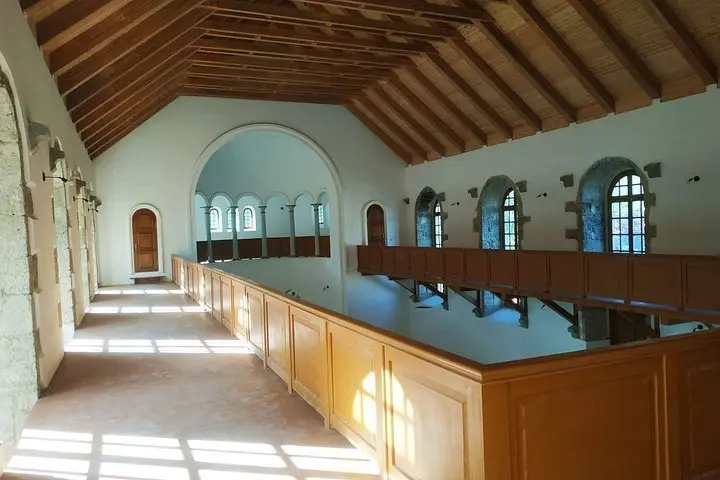
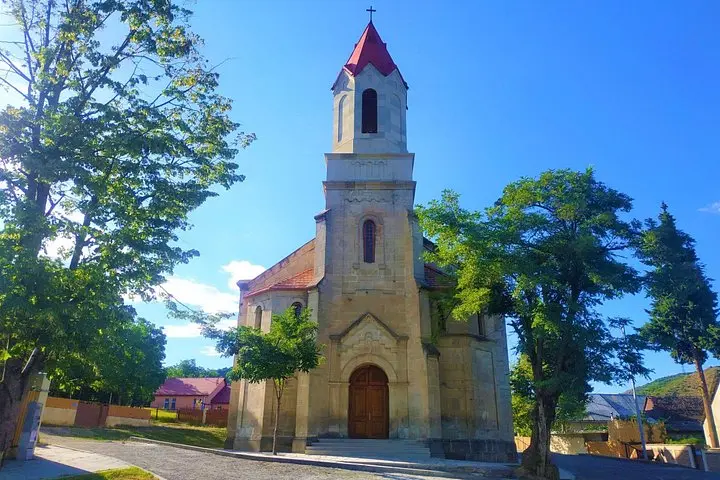
Samshvilde’s archaeology stretches nearly 2.5 km along the valley and reflects layers of Georgian and Armenian rule from the 3rd century BC through the Middle Ages. The site’s Sioni church and scattered medieval workshops sit on limestone outcrops carved by the same geologic forces that shaped the canyon below. Local customs remain visible: modest dress is required in the Orthodox church and small shrine areas, and vendors in nearby villages still make traditional breads and crafts.
Practical guidance follows the narrative: the tour is a full day from Tbilisi, with about 2–3 hours of on-site exploration that includes uneven paths, short climbs, and exposed ridgelines. Expect loose rock, warm sun in summer, and strong winds along the river. Carry at least 1.5–2 liters of water, wear sturdy hiking shoes, and bring a scarf if entering churches. Photography is rewarding—wide views over the Khrami canyon and recessed caves make for dramatic compositions—but walk carefully near cliff edges.
Travelers with limited mobility should note uneven terrain and short steep sections. The best visits are in spring or fall for cooler temperatures and clearer skies; local guides add historical context and handle logistics for a smoother day trip from Tbilisi.
The private tour is a full‑day excursion; driving time is roughly 1–1.5 hours each way depending on traffic, with a total tour time around 9 hours.
This tour’s itinerary notes admission is not applicable for Samshvilde ruins, but confirm with the operator for any optional local museum fees.
Children can enjoy the open ruins but there are steep drops and uneven ground; the site is not well suited for travelers with limited mobility.
Spring and fall offer the most comfortable temperatures and clearer skies; summer can be hot and winter may bring muddy or icy conditions on slopes.
SelectGeorgia-For Holiday operates guided outdoor trips and adventures with an emphasis on safety, stewardship, and memorable experiences.
A wind pushes across the Khrami river valley and the ruined walls of Samshvilde stand like a weathered map of conquest and trade. Visitors stepping from an air‑conditioned minivan find themselves on a rocky promontory where a citadel once watched over a fertile corridor; the ruin’s stones hum with centuries of footsteps and river-borne commerce.
A wind pushes across the Khrami river valley and the ruined walls of Samshvilde stand like a weathered map of conquest and trade. Visitors stepping from an air‑conditioned minivan find themselves on a rocky promontory where a citadel once watched over a fertile corridor; the ruin’s stones hum with centuries of footsteps and river-borne commerce.
Samshvilde’s archaeology stretches nearly 2.5 km along the valley and reflects layers of Georgian and Armenian rule from the 3rd century BC through the Middle Ages. The site’s Sioni church and scattered medieval workshops sit on limestone outcrops carved by the same geologic forces that shaped the canyon below. Local customs remain visible: modest dress is required in the Orthodox church and small shrine areas, and vendors in nearby villages still make traditional breads and crafts.
Practical guidance follows the narrative: the tour is a full day from Tbilisi, with about 2–3 hours of on-site exploration that includes uneven paths, short climbs, and exposed ridgelines. Expect loose rock, warm sun in summer, and strong winds along the river. Carry at least 1.5–2 liters of water, wear sturdy hiking shoes, and bring a scarf if entering churches. Photography is rewarding—wide views over the Khrami canyon and recessed caves make for dramatic compositions—but walk carefully near cliff edges.
Travelers with limited mobility should note uneven terrain and short steep sections. The best visits are in spring or fall for cooler temperatures and clearer skies; local guides add historical context and handle logistics for a smoother day trip from Tbilisi.