THE ADVENTURE COLLECTIVE® · Independent discovery and booking for outdoor travel

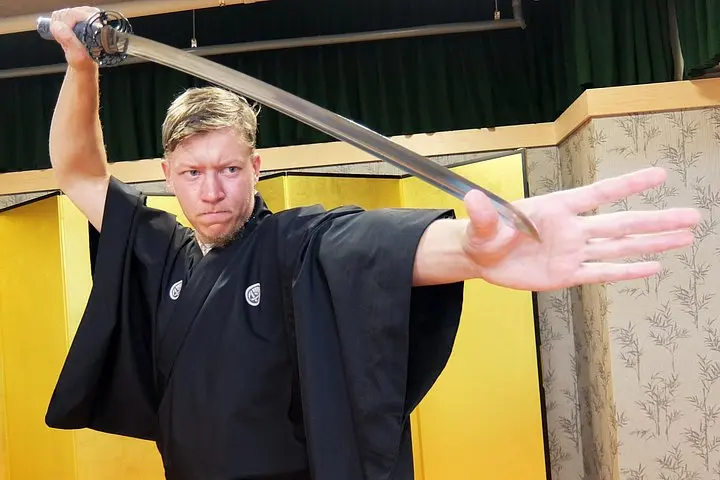
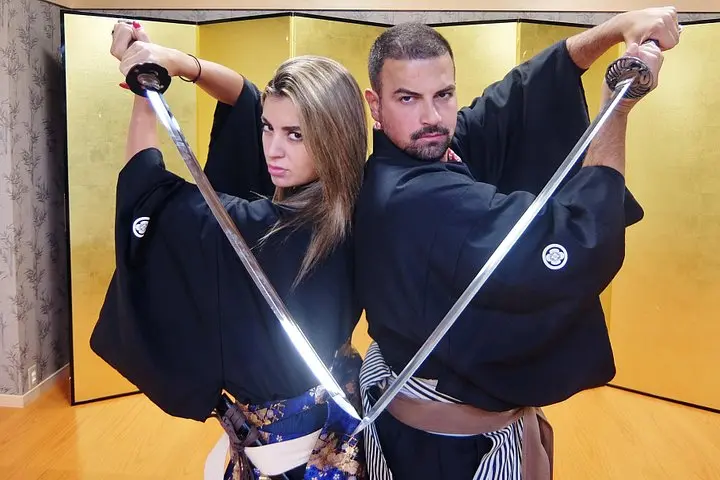
Step into a Kyoto dojo to learn Kenbu—sword choreography paired with fan work—then don period costume for a staged photo. This 90‑minute hands‑on class blends etiquette, basic kata and cultural context for a compact, immersive experience.
Step into a Kyoto dojo to learn Kenbu—sword choreography paired with fan work—then don period costume for a staged photo. This 90‑minute hands‑on class blends etiquette, basic kata and cultural context for a compact, immersive experience.
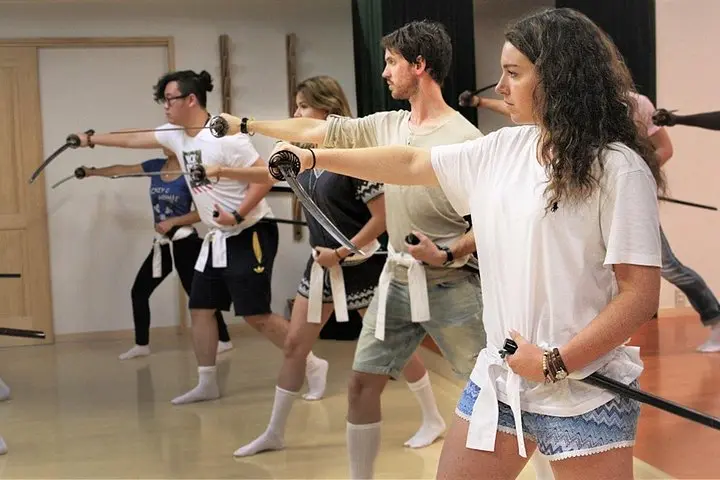
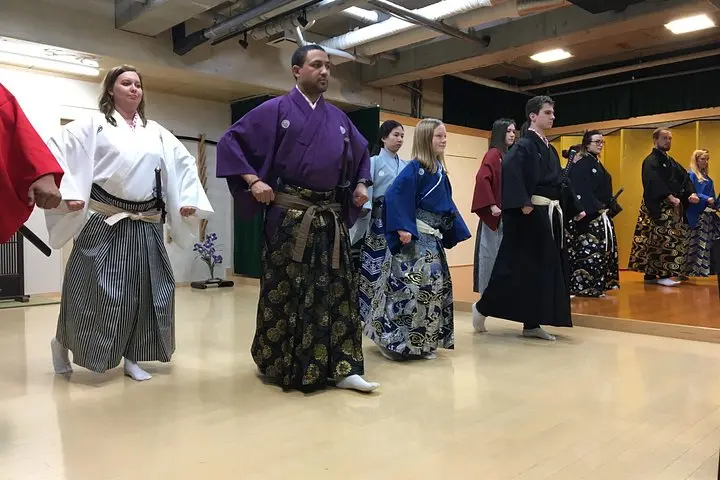
The room smells faintly of polished wood and ink; sunlight slices across the floorboards as you step into a basement dojo in central Kyoto. The instructor moves with measured clarity, demonstrating the gestures and footwork of Kenbu—an art where sword and fan map choreography into disciplined motion. Within 90 minutes you learn etiquette, basic kata, and finish with a staged photo in period costume.
Verified experiences and guided adventures in the surrounding area.
Operated by Ginbu Co., LTD. (former name: Samurai Kenbu Co., LTD.) · Kyoto, Kyoto Prefecture
The room smells faintly of polished wood and ink; sunlight slices across the floorboards as you step into a basement dojo in central Kyoto. The instructor moves with measured clarity, demonstrating the gestures and footwork of Kenbu—an art where sword and fan map choreography into disciplined motion. Within 90 minutes you learn etiquette, basic kata, and finish with a staged photo in period costume.
Kyoto was Japan’s imperial capital for over a millennium, and its martial arts evolved alongside court ceremony and temple culture. Kenbu itself blends samurai sword forms with theatrical dance that developed during the Edo and Meiji periods as warriors codified manners and public displays of technique. Geologically the city sits in a river basin framed by low mountains, and its urban temples and wooden buildings retain an intimacy that shapes the sensory feel of a small dojo—the creak of boards, the faint hum of city life above.
Culturally, expect formality: bows, measured breathing and clear attention to instruction. The photo session in costume lends an immediate, tactile link to history—linen hakama, obi, and wooden prop swords bring the lesson into vivid focus.
Practical guidance: arrive 10 minutes early to find the basement meeting point, wear breathable athletic clothes that allow lunges and turns, and avoid heavy jewelry. This activity is moderately active but non‑contact; follow the instructor’s safety directions closely. Bring water and a small towel; cameras are welcome but ask before photographing other participants. If you have back, heart, or pregnancy concerns, this class is not recommended.
No—this class teaches basic Kenbu and sword etiquette from the ground up; beginners with moderate fitness can participate.
Yes—a staged photo session in period costume and prop sword is included and the lesson concludes with a certificate of completion.
Children aged 5–11 are accepted but organizers prefer those with prior class experience; check booking details for age requirements and supervision rules.
Full refunds are available if you cancel at least 24 hours before the scheduled start time; check your booking confirmation for specifics.
Ginbu Co., LTD. (former name: Samurai Kenbu Co., LTD.) operates guided outdoor trips and adventures with an emphasis on safety, stewardship, and memorable experiences.
The room smells faintly of polished wood and ink; sunlight slices across the floorboards as you step into a basement dojo in central Kyoto. The instructor moves with measured clarity, demonstrating the gestures and footwork of Kenbu—an art where sword and fan map choreography into disciplined motion. Within 90 minutes you learn etiquette, basic kata, and finish with a staged photo in period costume.
The room smells faintly of polished wood and ink; sunlight slices across the floorboards as you step into a basement dojo in central Kyoto. The instructor moves with measured clarity, demonstrating the gestures and footwork of Kenbu—an art where sword and fan map choreography into disciplined motion. Within 90 minutes you learn etiquette, basic kata, and finish with a staged photo in period costume.
Kyoto was Japan’s imperial capital for over a millennium, and its martial arts evolved alongside court ceremony and temple culture. Kenbu itself blends samurai sword forms with theatrical dance that developed during the Edo and Meiji periods as warriors codified manners and public displays of technique. Geologically the city sits in a river basin framed by low mountains, and its urban temples and wooden buildings retain an intimacy that shapes the sensory feel of a small dojo—the creak of boards, the faint hum of city life above.
Culturally, expect formality: bows, measured breathing and clear attention to instruction. The photo session in costume lends an immediate, tactile link to history—linen hakama, obi, and wooden prop swords bring the lesson into vivid focus.
Practical guidance: arrive 10 minutes early to find the basement meeting point, wear breathable athletic clothes that allow lunges and turns, and avoid heavy jewelry. This activity is moderately active but non‑contact; follow the instructor’s safety directions closely. Bring water and a small towel; cameras are welcome but ask before photographing other participants. If you have back, heart, or pregnancy concerns, this class is not recommended.