THE ADVENTURE COLLECTIVE® · Independent discovery and booking for outdoor travel

Trade the city for hakama and a river rinse near Mt. Fuji. This four-hour retreat pairs basic katana practice with standing Zen and live sound work to sharpen posture and calm the mind.
Trade the city for hakama and a river rinse near Mt. Fuji. This four-hour retreat pairs basic katana practice with standing Zen and live sound work to sharpen posture and calm the mind.
A morning begins with the hush of cedar and the cool bite of river air, and participants trade city clothes for kimono and hakama. The group moves slowly into a clearing with a distant outline of Mt. Fuji; an unsharpened katana is presented, not as a weapon but as a tool for posture and focus. Sounds—flute, voice, improvised percussion—thread through the trees and shape the session’s rhythm.
Verified experiences and guided adventures in the surrounding area.
Operated by wago (Yusuke∞Yoshino) · Fujikawaguchiko, Yamanashi Prefecture
A morning begins with the hush of cedar and the cool bite of river air, and participants trade city clothes for kimono and hakama. The group moves slowly into a clearing with a distant outline of Mt. Fuji; an unsharpened katana is presented, not as a weapon but as a tool for posture and focus. Sounds—flute, voice, improvised percussion—thread through the trees and shape the session’s rhythm.
The program draws on classical samurai training and Shinto ideas of kami, combining basic sword movement, standing Zen, and a guided sound meditation. Historically, sword arts were as much about discipline and alignment as combat; here the emphasis is on body awareness and the “central axis” taught in traditional kenjutsu. Geologically, the Yamanashi foothills are volcanic terrain; the river used for cleansing is fed by mountain runoff and framed by volcanic soils that favor mixed broadleaf and conifer forests.
Cultural touches—dressing in hakama, a purification rinse, and a short sword performance—are led by a champion swordsman and a singer-dancer, offering both instruction and live art. The retreat runs about four hours and includes a photo session so participants can take a formal portrait in their garb.
Practical notes: arrive with layered clothing and sturdy shoes, bring water, and disclose any spinal or heart conditions in advance. The hosts will move indoors if weather or summer heat requires it. Expect light standing and walking on uneven ground, basic technique coaching with unsharpened swords, and moments of stillness punctuated by live sound that aims to refocus breath and posture.
Participants use unsharpened practice swords; drills focus on posture and movement rather than cutting or combat.
The host moves activities indoors on rainy days and during extreme midsummer heat to maintain safety and comfort.
No—basic instruction is provided and the program is designed for beginners as well as experienced practitioners.
Public transport options are available nearby; travelers often base themselves in Fujikawaguchiko and take a short bus or taxi to the site.
wago (Yusuke∞Yoshino) operates guided outdoor trips and adventures with an emphasis on safety, stewardship, and memorable experiences.
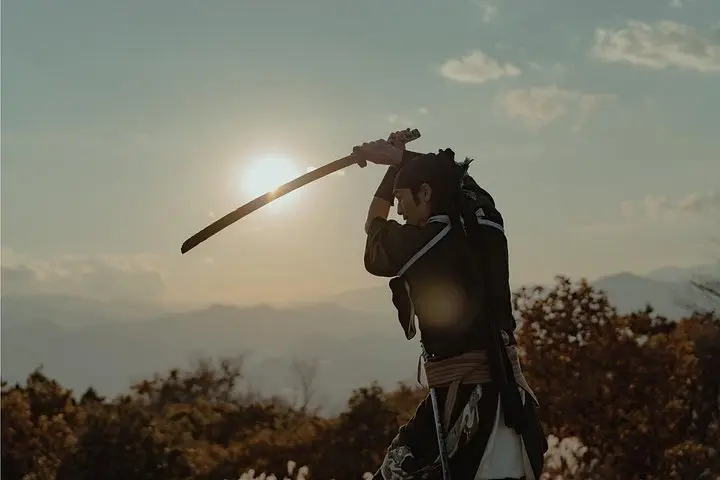
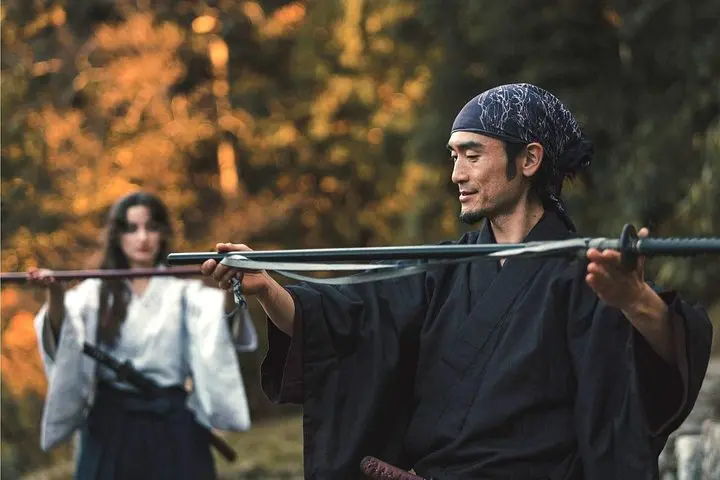
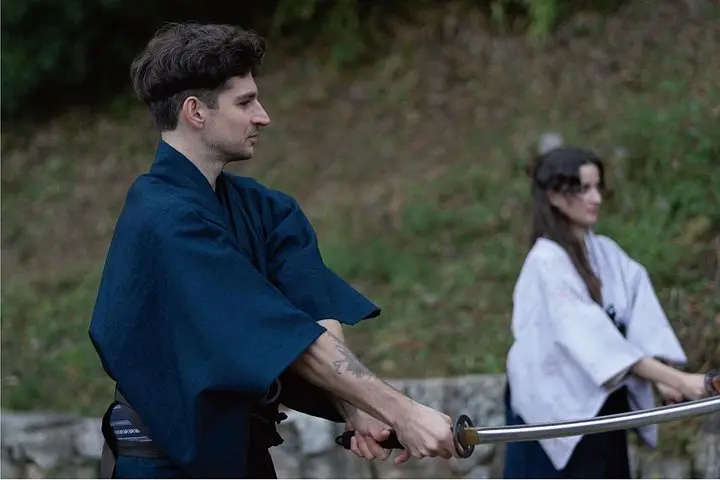
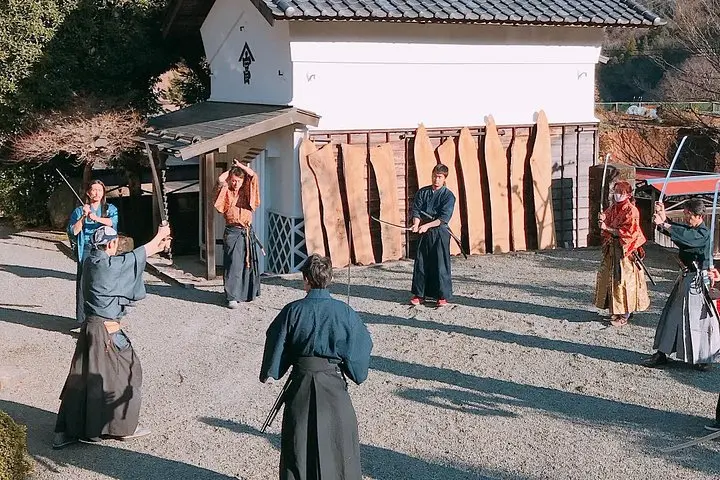
A morning begins with the hush of cedar and the cool bite of river air, and participants trade city clothes for kimono and hakama. The group moves slowly into a clearing with a distant outline of Mt. Fuji; an unsharpened katana is presented, not as a weapon but as a tool for posture and focus. Sounds—flute, voice, improvised percussion—thread through the trees and shape the session’s rhythm.
A morning begins with the hush of cedar and the cool bite of river air, and participants trade city clothes for kimono and hakama. The group moves slowly into a clearing with a distant outline of Mt. Fuji; an unsharpened katana is presented, not as a weapon but as a tool for posture and focus. Sounds—flute, voice, improvised percussion—thread through the trees and shape the session’s rhythm.
The program draws on classical samurai training and Shinto ideas of kami, combining basic sword movement, standing Zen, and a guided sound meditation. Historically, sword arts were as much about discipline and alignment as combat; here the emphasis is on body awareness and the “central axis” taught in traditional kenjutsu. Geologically, the Yamanashi foothills are volcanic terrain; the river used for cleansing is fed by mountain runoff and framed by volcanic soils that favor mixed broadleaf and conifer forests.
Cultural touches—dressing in hakama, a purification rinse, and a short sword performance—are led by a champion swordsman and a singer-dancer, offering both instruction and live art. The retreat runs about four hours and includes a photo session so participants can take a formal portrait in their garb.
Practical notes: arrive with layered clothing and sturdy shoes, bring water, and disclose any spinal or heart conditions in advance. The hosts will move indoors if weather or summer heat requires it. Expect light standing and walking on uneven ground, basic technique coaching with unsharpened swords, and moments of stillness punctuated by live sound that aims to refocus breath and posture.