THE ADVENTURE COLLECTIVE® · Independent discovery and booking for outdoor travel

Step into a working dojo in Tokyo for an 80‑minute immersion in Ninshi—the inner code of samurai practice. This hands-on session pairs historical context with safe, instructor-led weapon drills and etiquette.
Step into a working dojo in Tokyo for an 80‑minute immersion in Ninshi—the inner code of samurai practice. This hands-on session pairs historical context with safe, instructor-led weapon drills and etiquette.
The dojo smells faintly of polish and rice starch; tatami cool beneath borrowed dogi as a master bows and the city noise fades to a distant hum. In eighty minutes participants move from observation to participation—meditation, etiquette, a live kata, shuriken throws and a hands-on bokken sequence—each moment paced to teach discipline as much as technique.
Verified experiences and guided adventures in the surrounding area.
Operated by Musashi Ninja Clan Honjin Dojo in Asakusa · Tokyo, Tokyo
The dojo smells faintly of polish and rice starch; tatami cool beneath borrowed dogi as a master bows and the city noise fades to a distant hum. In eighty minutes participants move from observation to participation—meditation, etiquette, a live kata, shuriken throws and a hands-on bokken sequence—each moment paced to teach discipline as much as technique.
This seminar situates modern practice in a clear historical line: the hosting clan traces its service to the Tokugawa Shogunate for more than two centuries, preserving Ninshi methods once reserved for elite retainers. Tokyo itself sits on the flat Kanto Plain, a human-made urban landscape where Edo-era politics shaped craft and performance; the workshop is a living cultural artifact rather than a theatrical show.
Culturally the session balances demonstration and practice—expect direct instruction from instructors with black belts and live interpretation. The weapons are replicas and taught for form, control and safety; instructors emphasize etiquette and the philosophical foundations of samurai behavior as much as strikes.
Practical guidance: arrive 15 minutes early to change into the provided dogi and review safety rules; wear comfortable layers for Tokyo's variable climate. Bring ID and a small water bottle; leave heavy bags in lockers. Photography is usually allowed during a short “photo time,” but follow the instructor’s lead. Children under 12 must be accompanied by a participating adult; those with spinal injuries or pregnancy should avoid this activity. If you want a specific start time, coordinate in advance—the organizers can often accommodate schedule requests.
No—this 80‑minute immersion is designed for beginners; instructors teach fundamentals and adapt drills for all levels.
No—participants use practice weapons (bokken and replica shuriken) under strict supervision and safety protocols.
Yes—nationally licensed interpreters provide real‑time interpretation during the session.
For a full refund cancel at least 24 hours before the scheduled start; cancellations within 24 hours are non-refundable.
Musashi Ninja Clan Honjin Dojo in Asakusa operates guided outdoor trips and adventures with an emphasis on safety, stewardship, and memorable experiences.
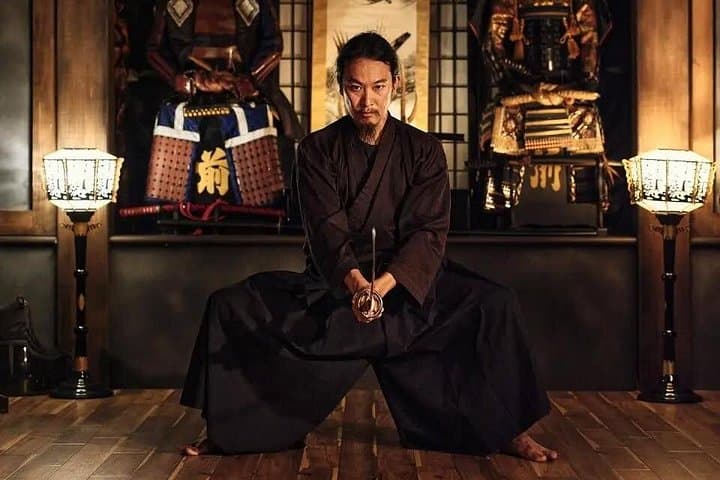
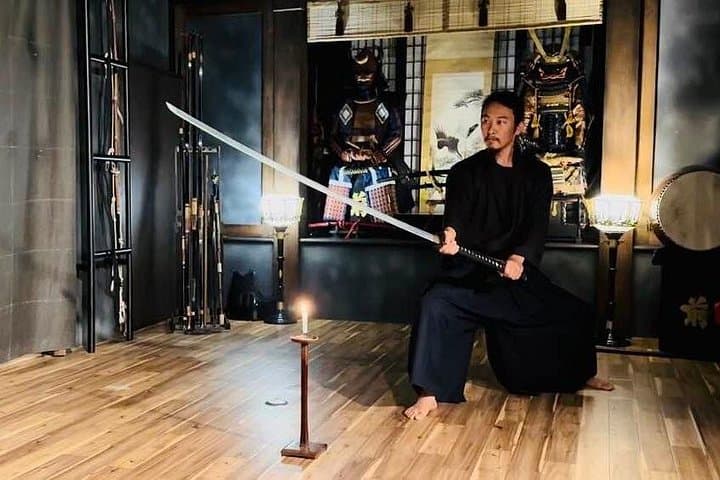
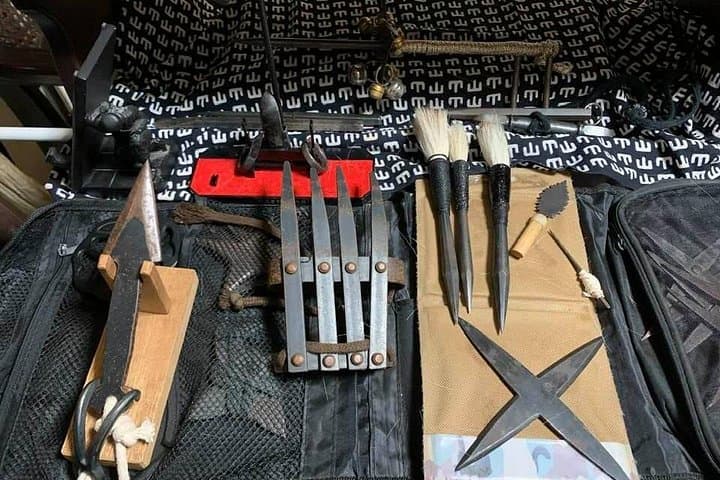
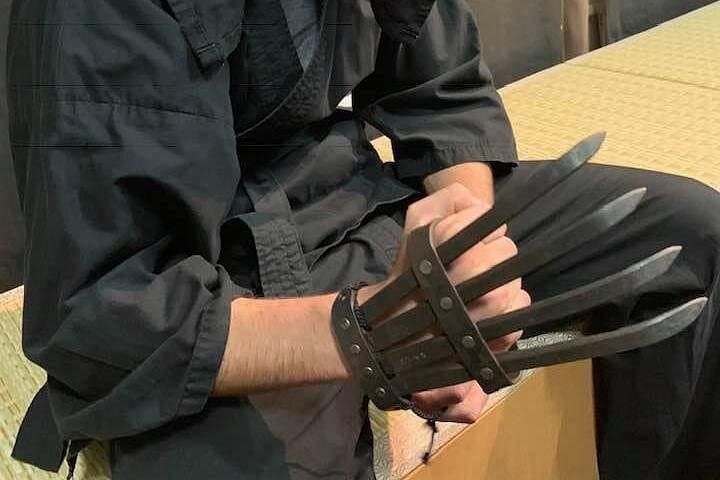
The dojo smells faintly of polish and rice starch; tatami cool beneath borrowed dogi as a master bows and the city noise fades to a distant hum. In eighty minutes participants move from observation to participation—meditation, etiquette, a live kata, shuriken throws and a hands-on bokken sequence—each moment paced to teach discipline as much as technique.
The dojo smells faintly of polish and rice starch; tatami cool beneath borrowed dogi as a master bows and the city noise fades to a distant hum. In eighty minutes participants move from observation to participation—meditation, etiquette, a live kata, shuriken throws and a hands-on bokken sequence—each moment paced to teach discipline as much as technique.
This seminar situates modern practice in a clear historical line: the hosting clan traces its service to the Tokugawa Shogunate for more than two centuries, preserving Ninshi methods once reserved for elite retainers. Tokyo itself sits on the flat Kanto Plain, a human-made urban landscape where Edo-era politics shaped craft and performance; the workshop is a living cultural artifact rather than a theatrical show.
Culturally the session balances demonstration and practice—expect direct instruction from instructors with black belts and live interpretation. The weapons are replicas and taught for form, control and safety; instructors emphasize etiquette and the philosophical foundations of samurai behavior as much as strikes.
Practical guidance: arrive 15 minutes early to change into the provided dogi and review safety rules; wear comfortable layers for Tokyo's variable climate. Bring ID and a small water bottle; leave heavy bags in lockers. Photography is usually allowed during a short “photo time,” but follow the instructor’s lead. Children under 12 must be accompanied by a participating adult; those with spinal injuries or pregnancy should avoid this activity. If you want a specific start time, coordinate in advance—the organizers can often accommodate schedule requests.