THE ADVENTURE COLLECTIVE® · Independent discovery and booking for outdoor travel

Step into a traditional dojo in Ikaruga and learn the basics of kendo—etiquette, footwork, and shinai technique—under a seasoned instructor. This one-hour, hands-on session pairs cultural history with practical coaching and a chance to wear protective gear for photos.
Step into a traditional dojo in Ikaruga and learn the basics of kendo—etiquette, footwork, and shinai technique—under a seasoned instructor. This one-hour, hands-on session pairs cultural history with practical coaching and a chance to wear protective gear for photos.
You step into a low-ceilinged dojo where the echo of wooden footsteps and the snap of a shinai shape the air. Sunlight from paper windows pools on polished wood while an instructor, motion calm and precise, demonstrates a powerful strike. The room tightens around focus; this is not theater but a living practice of disciplined movement.
Verified experiences and guided adventures in the surrounding area.
Operated by 奈良斑鳩ツーリズムWaikaru · Ikaruga, Nara Prefecture
You step into a low-ceilinged dojo where the echo of wooden footsteps and the snap of a shinai shape the air. Sunlight from paper windows pools on polished wood while an instructor, motion calm and precise, demonstrates a powerful strike. The room tightens around focus; this is not theater but a living practice of disciplined movement.
Ikaruga sits in Nara Prefecture, a region steeped in early Japanese history—Horyu-ji’s ancient timbers are a reminder that martial and spiritual traditions were long intertwined here. Kendo evolved from battlefield sword arts and adopted a strict etiquette reflecting samurai values: respect, posture, and correct timing. The bamboo shinai and padded bogu you’ll see simplify harmful contact so technique and spirit can be practiced safely.
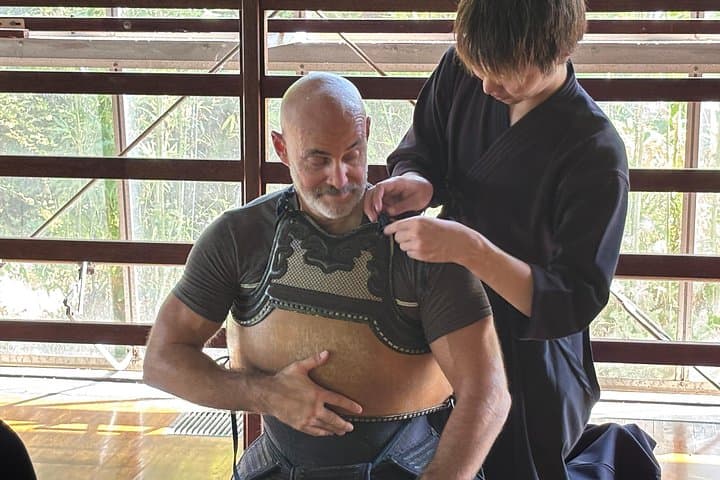
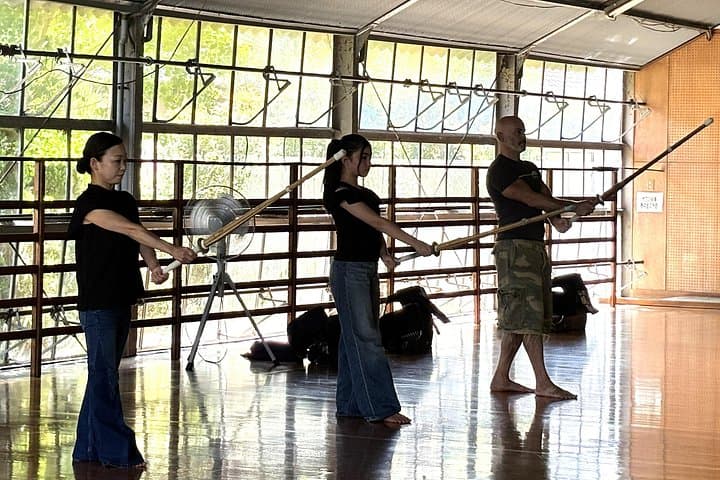
Expect structured instruction: a short demo, etiquette briefing, basic footwork and swings, then hands-on practice with coaching. Beginners are guided through how to hold the shinai, make correct strikes, and move with balance. There’s usually time to don protective gear for photos and to ask historical or cultural questions.
Practical tips: arrive with light, flexible clothing and modest footwear; avoid jewelry. Sessions are typically one hour and suitable for most ages, but the activity asks for body awareness—those with spinal, heart, or pregnancy restrictions should decline. Book transfers from Horyuji Station are sometimes offered; confirm pickup details ahead. This session pairs well with a visit to nearby temples to place the martial practice in its local historical context.
No—this session is designed for beginners and focuses on basic etiquette, footwork, and introductory strikes under close instruction.
Most dojos provide bogu and shinai; if you have your own, check in advance for hygiene and fit guidelines.
Sessions are generally family-friendly but may restrict young children for safety—confirm minimum age with the operator when booking.
Instructors often provide English guidance for visitors, but availability varies; request language support when booking.
奈良斑鳩ツーリズムWaikaru operates guided outdoor trips and adventures with an emphasis on safety, stewardship, and memorable experiences.
You step into a low-ceilinged dojo where the echo of wooden footsteps and the snap of a shinai shape the air. Sunlight from paper windows pools on polished wood while an instructor, motion calm and precise, demonstrates a powerful strike. The room tightens around focus; this is not theater but a living practice of disciplined movement.
You step into a low-ceilinged dojo where the echo of wooden footsteps and the snap of a shinai shape the air. Sunlight from paper windows pools on polished wood while an instructor, motion calm and precise, demonstrates a powerful strike. The room tightens around focus; this is not theater but a living practice of disciplined movement.
Ikaruga sits in Nara Prefecture, a region steeped in early Japanese history—Horyu-ji’s ancient timbers are a reminder that martial and spiritual traditions were long intertwined here. Kendo evolved from battlefield sword arts and adopted a strict etiquette reflecting samurai values: respect, posture, and correct timing. The bamboo shinai and padded bogu you’ll see simplify harmful contact so technique and spirit can be practiced safely.
Expect structured instruction: a short demo, etiquette briefing, basic footwork and swings, then hands-on practice with coaching. Beginners are guided through how to hold the shinai, make correct strikes, and move with balance. There’s usually time to don protective gear for photos and to ask historical or cultural questions.
Practical tips: arrive with light, flexible clothing and modest footwear; avoid jewelry. Sessions are typically one hour and suitable for most ages, but the activity asks for body awareness—those with spinal, heart, or pregnancy restrictions should decline. Book transfers from Horyuji Station are sometimes offered; confirm pickup details ahead. This session pairs well with a visit to nearby temples to place the martial practice in its local historical context.