THE ADVENTURE COLLECTIVE® · Independent discovery and booking for outdoor travel

Step into samurai life with hands-on iaido training, then tour two historic castles—Inuyama and Gifu—on a private five-hour trip from Nagoya. Expect authentic sword practice, cobbled castle streets, and a ropeway climb to sweeping hilltop views.
Step into samurai life with hands-on iaido training, then tour two historic castles—Inuyama and Gifu—on a private five-hour trip from Nagoya. Expect authentic sword practice, cobbled castle streets, and a ropeway climb to sweeping hilltop views.
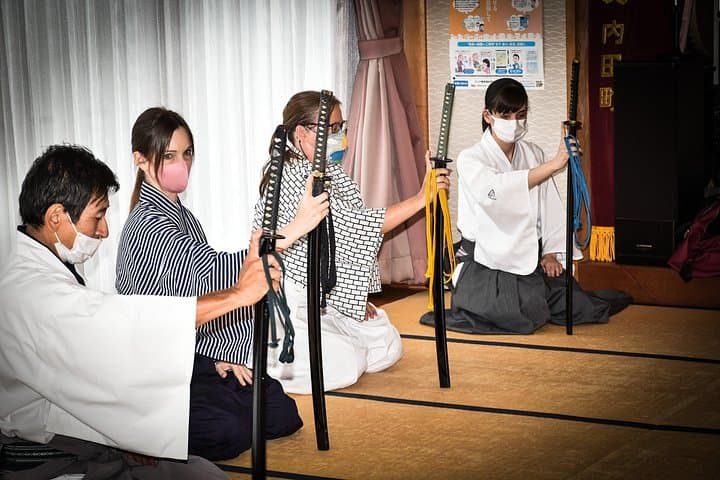
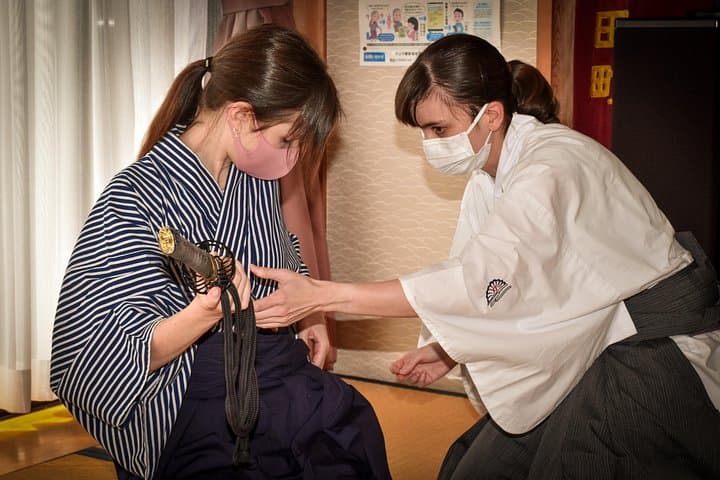
You begin on a narrow street of Inuyama Castle town, wooden storefronts and the Kiso River edging the pavement as a cold wind dares you to hurry. The guide leads you toward a low-doored dojo where tatami smells of oil and iron; here a qualified instructor fits you into samurai clothing and hands you a real katana. The sword is heavier than it looks—discipline arrives through weight and repetition.
Verified experiences and guided adventures in the surrounding area.
Operated by MOST JAPAN · Inuyama, Aichi
You begin on a narrow street of Inuyama Castle town, wooden storefronts and the Kiso River edging the pavement as a cold wind dares you to hurry. The guide leads you toward a low-doored dojo where tatami smells of oil and iron; here a qualified instructor fits you into samurai clothing and hands you a real katana. The sword is heavier than it looks—discipline arrives through weight and repetition.
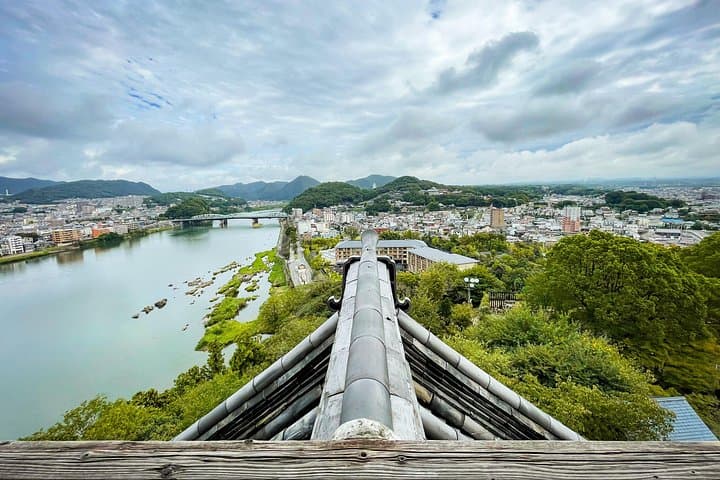
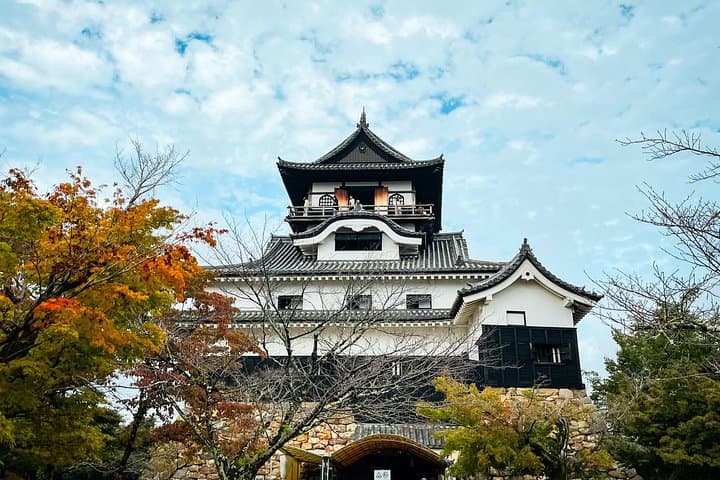
Inuyama Castle, one of Japan’s original wooden tenshu and a national treasure, sits minutes away. Its compact keep preserves Muromachi and early-Edo-era architecture; inside, climb tight stairs and imagine river traffic below. Later the tour moves to Mount Kinka and Gifu Castle at 329 m. A quick ropeway ascent converts the forest’s hush into a wind-scoured panorama where Oda Nobunaga once surveyed the plains.
Geology here explains the views: low volcanic hills and the Kiso River plain create abrupt, walkable summits that were strategic for medieval lords. Culturally the day ties martial discipline to place—the iaido practice emphasizes etiquette as much as cutting angles.
Practical guidance: schedule mornings to avoid castle crowds and hot afternoons, allow about five hours total, and expect cobbled streets and steep castle stairs. Wear supportive footwear, modest clothing for indoor shrines, and follow instructor safety rules when handling weapons. Bring a light layer for the mountaintop wind and a small towel for sword practice. With private transport and admissions included, this day balances hands-on learning with historical exploration—an efficient, tactile way to connect with Japan’s samurai heritage.
Yes—under instructor supervision you will practice iaido cuts and draws with a real katana; safety briefing and staged movements are mandatory.
The tour requests moderate fitness and is not recommended for those with serious back/heart conditions; check booking fields for age bands and disclose health concerns.
The tour meets at Inuyama Tourist Information by Inuyama Station; private transportation between sites is included and the trip ends near JR Gifu Station.
Yes—admissions for Inuyama Castle and Gifu Castle (ropeway to Mount Kinka) are included in the tour price.
MOST JAPAN operates guided outdoor trips and adventures with an emphasis on safety, stewardship, and memorable experiences.
You begin on a narrow street of Inuyama Castle town, wooden storefronts and the Kiso River edging the pavement as a cold wind dares you to hurry. The guide leads you toward a low-doored dojo where tatami smells of oil and iron; here a qualified instructor fits you into samurai clothing and hands you a real katana. The sword is heavier than it looks—discipline arrives through weight and repetition.
You begin on a narrow street of Inuyama Castle town, wooden storefronts and the Kiso River edging the pavement as a cold wind dares you to hurry. The guide leads you toward a low-doored dojo where tatami smells of oil and iron; here a qualified instructor fits you into samurai clothing and hands you a real katana. The sword is heavier than it looks—discipline arrives through weight and repetition.
Inuyama Castle, one of Japan’s original wooden tenshu and a national treasure, sits minutes away. Its compact keep preserves Muromachi and early-Edo-era architecture; inside, climb tight stairs and imagine river traffic below. Later the tour moves to Mount Kinka and Gifu Castle at 329 m. A quick ropeway ascent converts the forest’s hush into a wind-scoured panorama where Oda Nobunaga once surveyed the plains.
Geology here explains the views: low volcanic hills and the Kiso River plain create abrupt, walkable summits that were strategic for medieval lords. Culturally the day ties martial discipline to place—the iaido practice emphasizes etiquette as much as cutting angles.
Practical guidance: schedule mornings to avoid castle crowds and hot afternoons, allow about five hours total, and expect cobbled streets and steep castle stairs. Wear supportive footwear, modest clothing for indoor shrines, and follow instructor safety rules when handling weapons. Bring a light layer for the mountaintop wind and a small towel for sword practice. With private transport and admissions included, this day balances hands-on learning with historical exploration—an efficient, tactile way to connect with Japan’s samurai heritage.