THE ADVENTURE COLLECTIVE® · Independent discovery and booking for outdoor travel

A private, one-hour lesson in Asakusa teaching traditional samurai sword forms under a certified instructor. Learn draws, basic kata and receive a photo certificate—ideal for curious beginners seeking a compact cultural-physical experience in central Tokyo.
A private, one-hour lesson in Asakusa teaching traditional samurai sword forms under a certified instructor. Learn draws, basic kata and receive a photo certificate—ideal for curious beginners seeking a compact cultural-physical experience in central Tokyo.
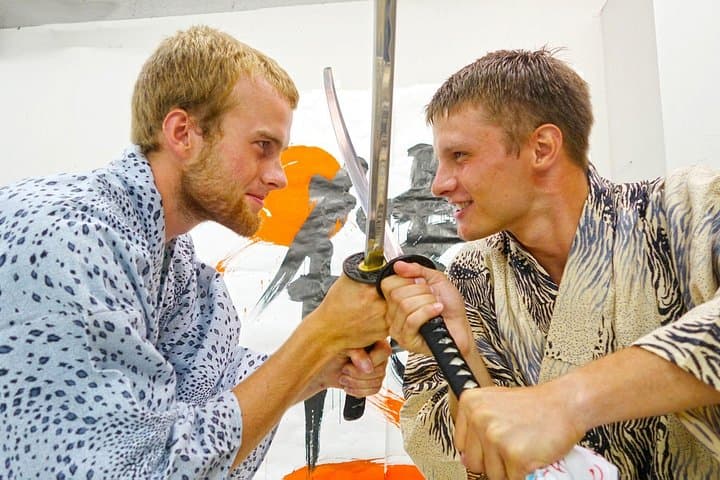
Step into a low-lit studio just off Asakusa's busy streets and the bustle of Nakamise-dori fades. A kimono is eased on, a belt cinched, and the weight of a sword—safe and supervised—sits like history in your hands. For sixty focused minutes the instructor shapes posture, breathing and rhythm; movements that once answered to battle now answer to discipline and performance.
Verified experiences and guided adventures in the surrounding area.
Operated by Cool Japan Entertainment Inc. · Tokyo, Tokyo
Step into a low-lit studio just off Asakusa's busy streets and the bustle of Nakamise-dori fades. A kimono is eased on, a belt cinched, and the weight of a sword—safe and supervised—sits like history in your hands. For sixty focused minutes the instructor shapes posture, breathing and rhythm; movements that once answered to battle now answer to discipline and performance.
The lesson draws on Kenbu Ukon-ryu techniques and the performative kenbu tradition—forms developed to turn martial skill into stage art. Asakusa itself grew during Edo as a riverside entertainment district along the Sumida’s broad, slow current; the neighborhood’s wooden lanes and temple gates still carry that practical, public-facing energy.
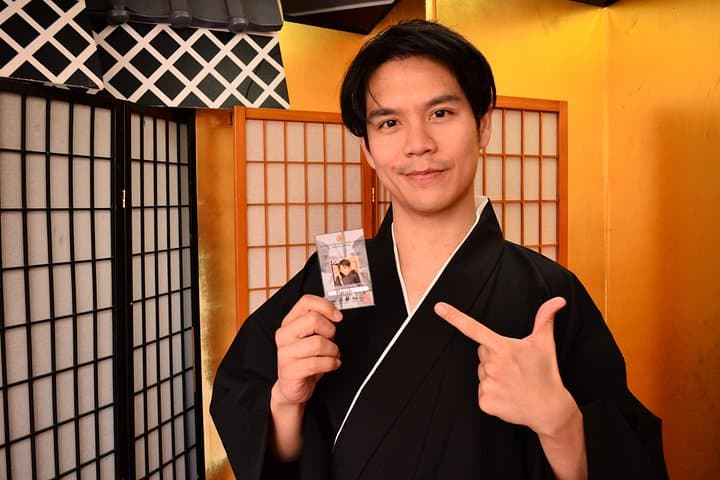
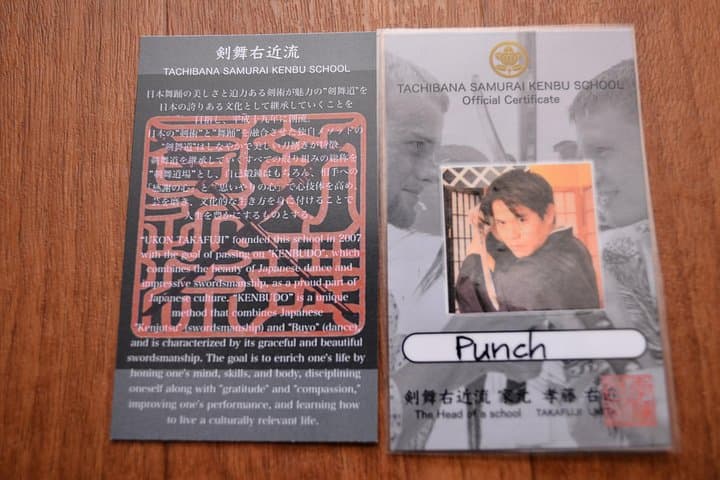
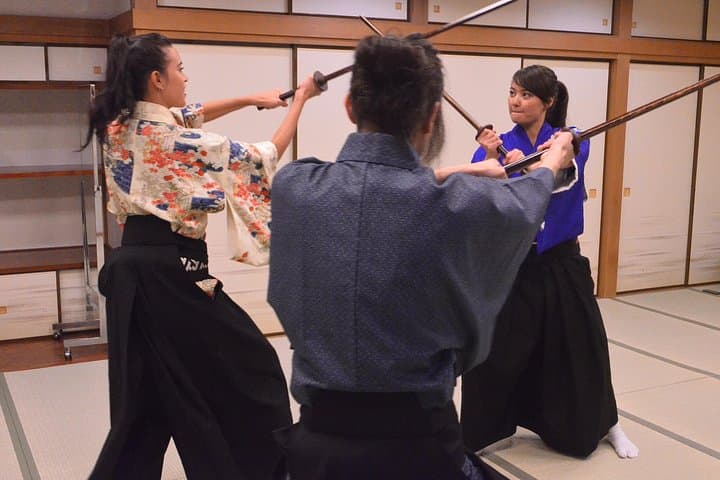
Expect a structured session: costume change, bowing, basic draws (battou), sheath techniques, kata sequences and partnered practice, finished with a commemorative photo and certificate on an SD card. Instruction is private to your group (max 10), led by a certified teacher, and tailored to beginners; children six and up can join with adult supervision.
Practicalities are simple. The meeting point varies—organizers will confirm two days prior—so plan public-transport arrival and clear, comfortable layers under the rental garment. Jewelry should be removed and long hair tied back. The experience is physically moderate: expect light cardio from stance work and repeated movements rather than endurance hiking. Book early to secure a private slot; cancellation rules are strict inside two days. Leave room after class to wander Sumida-side streets: the real reward is the combination of practiced motion and the city that taught it.
No—sessions are tailored for beginners and focus on safe, stylized techniques under instructor supervision.
Training uses practice blades and strict safety protocols; the instructor controls all partnered work and contact is minimized.
Minimum age is 6; children must be accompanied by an adult and able to follow safety instructions.
At the end of the lesson participants receive a certificate and photo data (often on an SD card) as stated in the inclusion list.
Cool Japan Entertainment Inc. operates guided outdoor trips and adventures with an emphasis on safety, stewardship, and memorable experiences.
Step into a low-lit studio just off Asakusa's busy streets and the bustle of Nakamise-dori fades. A kimono is eased on, a belt cinched, and the weight of a sword—safe and supervised—sits like history in your hands. For sixty focused minutes the instructor shapes posture, breathing and rhythm; movements that once answered to battle now answer to discipline and performance.
Step into a low-lit studio just off Asakusa's busy streets and the bustle of Nakamise-dori fades. A kimono is eased on, a belt cinched, and the weight of a sword—safe and supervised—sits like history in your hands. For sixty focused minutes the instructor shapes posture, breathing and rhythm; movements that once answered to battle now answer to discipline and performance.
The lesson draws on Kenbu Ukon-ryu techniques and the performative kenbu tradition—forms developed to turn martial skill into stage art. Asakusa itself grew during Edo as a riverside entertainment district along the Sumida’s broad, slow current; the neighborhood’s wooden lanes and temple gates still carry that practical, public-facing energy.
Expect a structured session: costume change, bowing, basic draws (battou), sheath techniques, kata sequences and partnered practice, finished with a commemorative photo and certificate on an SD card. Instruction is private to your group (max 10), led by a certified teacher, and tailored to beginners; children six and up can join with adult supervision.
Practicalities are simple. The meeting point varies—organizers will confirm two days prior—so plan public-transport arrival and clear, comfortable layers under the rental garment. Jewelry should be removed and long hair tied back. The experience is physically moderate: expect light cardio from stance work and repeated movements rather than endurance hiking. Book early to secure a private slot; cancellation rules are strict inside two days. Leave room after class to wander Sumida-side streets: the real reward is the combination of practiced motion and the city that taught it.