THE ADVENTURE COLLECTIVE® · Independent discovery and booking for outdoor travel

Spend a day with local guides in San Basilio de Palenque—one of the Americas’ first free towns—to hear Palenquero music, visit monuments, and taste coastal stews. This small-group experience blends history, culture, and community-led interpretation.
Spend a day with local guides in San Basilio de Palenque—one of the Americas’ first free towns—to hear Palenquero music, visit monuments, and taste coastal stews. This small-group experience blends history, culture, and community-led interpretation.
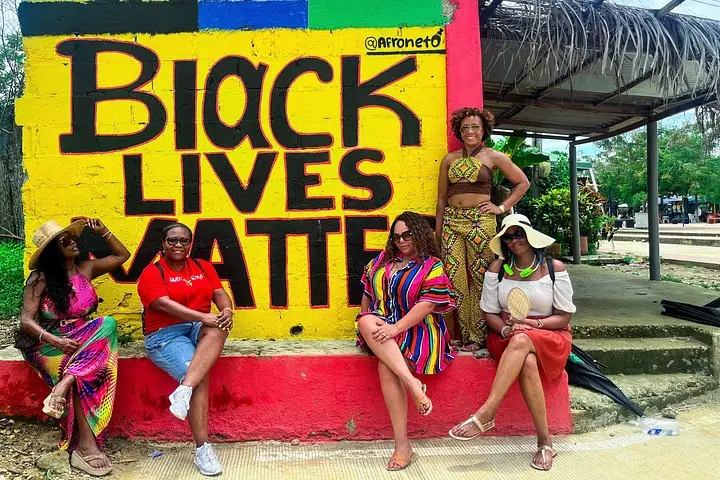
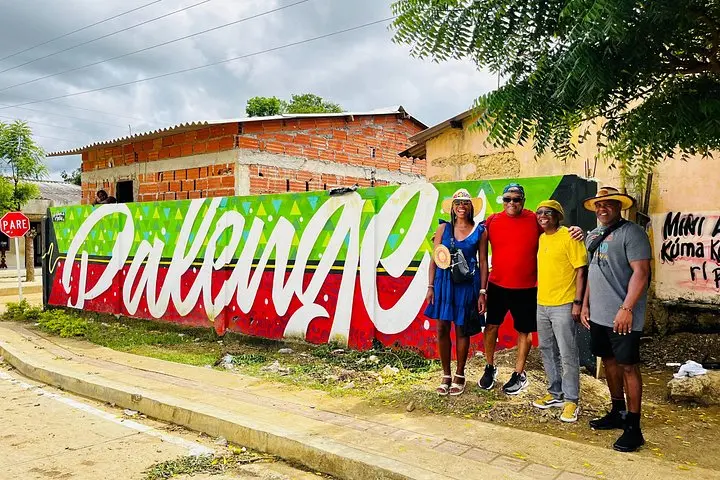
You leave Cartagena before sunrise and the highway opens onto low Caribbean plains: palms lean into the trade wind and roadside cattle watch you pass. After about 1.5 hours the road narrows and a cluster of painted houses appears — San Basilio de Palenque — where drums mark mornings and the arroyo dares you to slow down and listen.
Verified experiences and guided adventures in the surrounding area.
Operated by La Guia Travel Company · San Basilio de Palenque, Bolívar
You leave Cartagena before sunrise and the highway opens onto low Caribbean plains: palms lean into the trade wind and roadside cattle watch you pass. After about 1.5 hours the road narrows and a cluster of painted houses appears — San Basilio de Palenque — where drums mark mornings and the arroyo dares you to slow down and listen.
The town is one of the Americas’ earliest free communities, founded by escaped enslaved people under leader Benkos Biohó. UNESCO recognized Palenquero culture in 2015 for its living language and musical traditions. Geologically the area is flat coastal plain, carved by small streams and backed by mangrove and farmland; those waters supplied the community and still shape daily life.
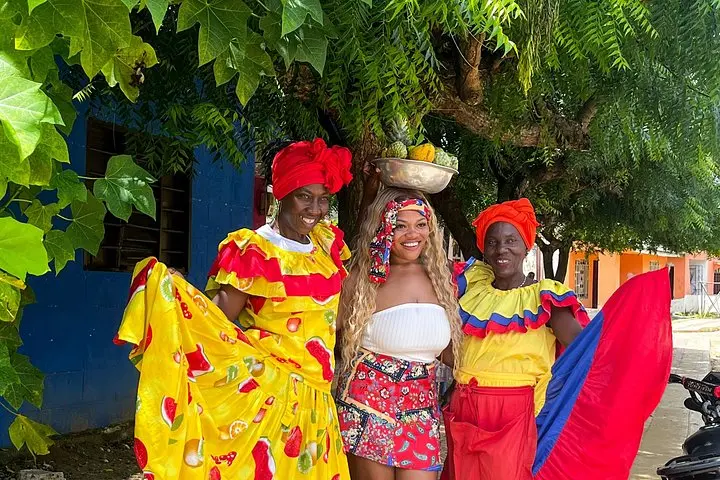
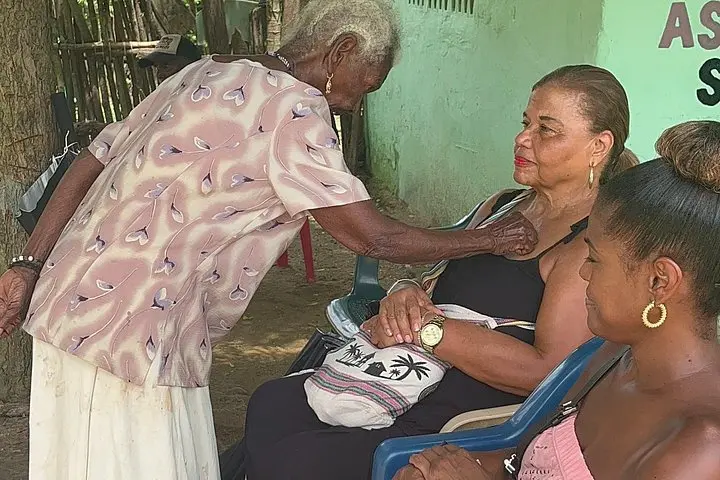
Culture here is audible: wooden percussion, call-and-response singing, and the rehearsal spaces of Kombilesa Mi and Sexteto Tabalá. Walk the main streets with a local guide to visit monuments to Benkos and Kid Pambelé, step into traditional homes, and taste fish stewed in coconut — food that carries salt, river, and history.
Practically: expect 6–7 hours with moderate walking on uneven surfaces and some shade. Bring sun protection, cash for market purchases and tips, and wear sturdy shoes for cobbles and dirt. Photography is welcome but ask before shooting people or religious spaces. The tour supports local guides and cultural programs; go ready to listen more than to lead the conversation. This is a place where music teaches the past, and where a careful visit helps keep those rhythms alive.
The drive is about 1.5 hours each way; the full experience runs roughly 6–7 hours including site visits and lunch.
Yes — the itinerary includes a local lunch, typically fish or meat stews prepared in regional style.
Yes — the tour includes an English-speaking guide and local community interpreters when needed.
The town has uneven streets and some steps; the tour notes indicate it’s suitable for most fitness levels but not recommended for those with serious spinal or cardiovascular conditions.
La Guia Travel Company operates guided outdoor trips and adventures with an emphasis on safety, stewardship, and memorable experiences.
You leave Cartagena before sunrise and the highway opens onto low Caribbean plains: palms lean into the trade wind and roadside cattle watch you pass. After about 1.5 hours the road narrows and a cluster of painted houses appears — San Basilio de Palenque — where drums mark mornings and the arroyo dares you to slow down and listen.
You leave Cartagena before sunrise and the highway opens onto low Caribbean plains: palms lean into the trade wind and roadside cattle watch you pass. After about 1.5 hours the road narrows and a cluster of painted houses appears — San Basilio de Palenque — where drums mark mornings and the arroyo dares you to slow down and listen.
The town is one of the Americas’ earliest free communities, founded by escaped enslaved people under leader Benkos Biohó. UNESCO recognized Palenquero culture in 2015 for its living language and musical traditions. Geologically the area is flat coastal plain, carved by small streams and backed by mangrove and farmland; those waters supplied the community and still shape daily life.
Culture here is audible: wooden percussion, call-and-response singing, and the rehearsal spaces of Kombilesa Mi and Sexteto Tabalá. Walk the main streets with a local guide to visit monuments to Benkos and Kid Pambelé, step into traditional homes, and taste fish stewed in coconut — food that carries salt, river, and history.
Practically: expect 6–7 hours with moderate walking on uneven surfaces and some shade. Bring sun protection, cash for market purchases and tips, and wear sturdy shoes for cobbles and dirt. Photography is welcome but ask before shooting people or religious spaces. The tour supports local guides and cultural programs; go ready to listen more than to lead the conversation. This is a place where music teaches the past, and where a careful visit helps keep those rhythms alive.