THE ADVENTURE COLLECTIVE® · Independent discovery and booking for outdoor travel

Spend a half-day in San Basilio de Palenque—America’s first free town—to experience drums, language workshops, traditional dances and local cuisine. This guided excursion from Cartagena blends history, hands-on culture and tastes you won’t find elsewhere.
Spend a half-day in San Basilio de Palenque—America’s first free town—to experience drums, language workshops, traditional dances and local cuisine. This guided excursion from Cartagena blends history, hands-on culture and tastes you won’t find elsewhere.
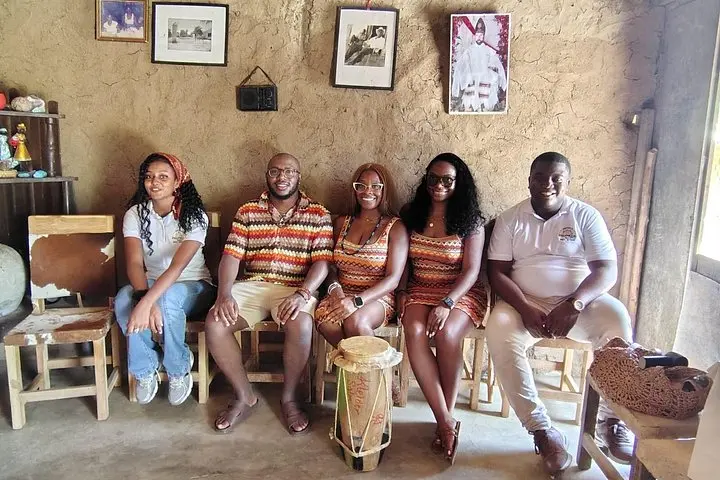
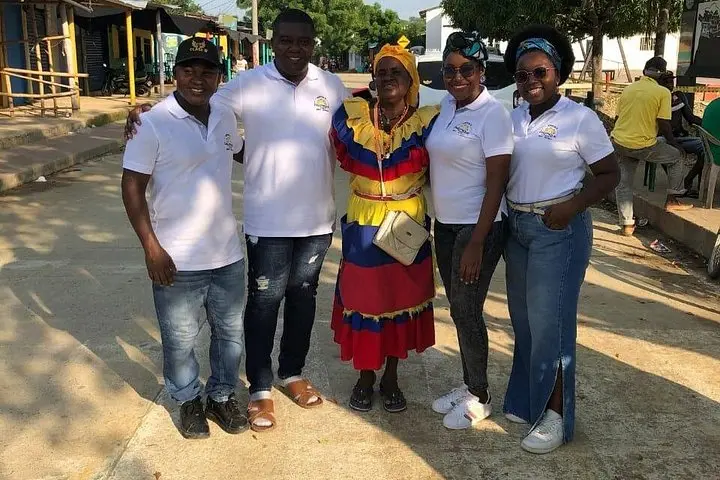
You step off the air-conditioned van into a square where drums call you forward—the palms rustle like hushes of older conversations and voices answer with welcome. San Basilio de Palenque is an audible place: percussion, call-and-response singing and children racing along coral-stone paths that still remember the footsteps of fugitives who built this free town.
Verified experiences and guided adventures in the surrounding area.
Operated by VAMOS A PALENQUE TOURS · San Basilio de Palenque, Bolívar
You step off the air-conditioned van into a square where drums call you forward—the palms rustle like hushes of older conversations and voices answer with welcome. San Basilio de Palenque is an audible place: percussion, call-and-response singing and children racing along coral-stone paths that still remember the footsteps of fugitives who built this free town.
Founded by escaped enslaved Africans in the 17th century and led in memory by Benkos Biohó, Palenque preserves a living culture of language, medicine and music. The village sits on low coastal plain soils carved by creeks that once guided boats inland; the geology is flat, with mangrove-backed waterways nearby and stands of coconut and almond trees shading courtyards.
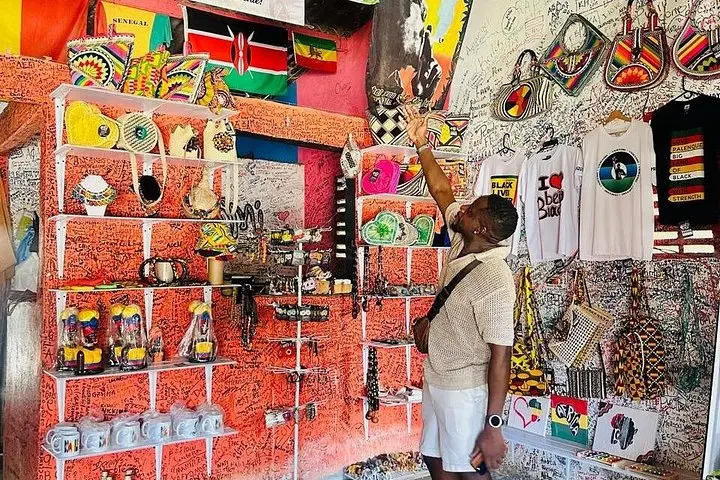
A guided visit maps history to present: Casa Museo artifacts, a medicine patio where plants are named like old friends, and Kombilesa Mi’s instruments—their rhythms teach stories faster than a lecture. You’ll taste ñeque rum and sweets, join a dance or a boxing drill inspired by Kid Pambelé, and eat coconut rice with fish prepared by local women.
Practicalities are straightforward: departures from Cartagena take about 1–1.5 hours each way; tours run 5–6 hours total. The village is largely accessible, with short walks on packed earth; comfortable shoes, sun protection, and respect for customs make the day smoother. Bring ID for tastings, a reusable water bottle, and a readiness to listen: Palenque’s strength is in voices passed down, and this excursion hands you the thread.
Transfers typically take about 1 to 1.5 hours each way depending on traffic and the chosen pickup point in Cartagena.
Yes—transportation and many community areas are reported accessible, but check specifics with the operator for any mobility needs.
Yes—traditional Palenquero lunch, sweets and a ñeque rum tasting are included in the excursion.
Yes—guides are bilingual and workshops use demonstration, music and hands-on activities that are accessible to non-Spanish speakers.
VAMOS A PALENQUE TOURS operates guided outdoor trips and adventures with an emphasis on safety, stewardship, and memorable experiences.
You step off the air-conditioned van into a square where drums call you forward—the palms rustle like hushes of older conversations and voices answer with welcome. San Basilio de Palenque is an audible place: percussion, call-and-response singing and children racing along coral-stone paths that still remember the footsteps of fugitives who built this free town.
You step off the air-conditioned van into a square where drums call you forward—the palms rustle like hushes of older conversations and voices answer with welcome. San Basilio de Palenque is an audible place: percussion, call-and-response singing and children racing along coral-stone paths that still remember the footsteps of fugitives who built this free town.
Founded by escaped enslaved Africans in the 17th century and led in memory by Benkos Biohó, Palenque preserves a living culture of language, medicine and music. The village sits on low coastal plain soils carved by creeks that once guided boats inland; the geology is flat, with mangrove-backed waterways nearby and stands of coconut and almond trees shading courtyards.
A guided visit maps history to present: Casa Museo artifacts, a medicine patio where plants are named like old friends, and Kombilesa Mi’s instruments—their rhythms teach stories faster than a lecture. You’ll taste ñeque rum and sweets, join a dance or a boxing drill inspired by Kid Pambelé, and eat coconut rice with fish prepared by local women.
Practicalities are straightforward: departures from Cartagena take about 1–1.5 hours each way; tours run 5–6 hours total. The village is largely accessible, with short walks on packed earth; comfortable shoes, sun protection, and respect for customs make the day smoother. Bring ID for tastings, a reusable water bottle, and a readiness to listen: Palenque’s strength is in voices passed down, and this excursion hands you the thread.