THE ADVENTURE COLLECTIVE® · Independent discovery and booking for outdoor travel

Two days in the Guna Yala archipelago — island-hopping, snorkeling a natural pool, and an authentic overnight on Isla Yansailadup. Expect basic huts, warm Guna hospitality, long transfers, and unforgettable Caribbean water.
Two days in the Guna Yala archipelago — island-hopping, snorkeling a natural pool, and an authentic overnight on Isla Yansailadup. Expect basic huts, warm Guna hospitality, long transfers, and unforgettable Caribbean water.
Salt air and a small shared lancha cutting through turquoise — arrive as the sun lifts itself off an endless Caribbean horizon and the islands seem to arrange themselves into a scattered necklace of white sand and palm trunks.
Verified experiences and guided adventures in the surrounding area.
Operated by Tao Travel 365 · Cartí, Guna Yala
Salt air and a small shared lancha cutting through turquoise — arrive as the sun lifts itself off an endless Caribbean horizon and the islands seem to arrange themselves into a scattered necklace of white sand and palm trunks.
The Guna Yala archipelago is geological coral and sand sitting on an exposed continental shelf; currents shape sandbars into temporary pools and reefs host bright parrotfish that flicker like living confetti. Human history here is braided with the Guna (Kuna) people, whose autonomous comarca preserves traditional dress, molas, and a way of life organized around sea lanes and communal hospitality.
On Isla Yansailadup visitors sleep in basic shared cabins lit by moonlight and limited evening electricity, eat freshly fried fish and plantains, and learn the economy of small-island living where water is managed like gold. The natural pool — a waist-deep lagoon formed by reef and current — dares you to stand in the middle of the ocean and feel the sea push and pull at your calves.
Practical guidance: expect a 2.5–3 hour road transfer from Panama City and a 25–40 minute boat crossing that can be wet and bumpy; carry motion-sickness medicine, original passport for Guna entry, cash for extras, and waterproof storage for electronics. Respect local rules (no drones), pack reef-safe sunscreen and insect repellent, and come ready to disconnect — the reward is clear water, uncomplicated rhythms, and a real cultural exchange rather than resort polish.
Yes — you must carry your original passport for the Guna border crossing and boat check-in at the port.
Accommodations are basic: shared rooms, limited electricity (typically 6pm–6am), and simple shared bathrooms; expect rustic island living rather than hotel amenities.
No — drones are illegal in San Blas and heavy fines apply; do not bring one.
Snorkeling at shallow reefs and the natural pool is typical and suitable for beginners, but strong winds or currents may cancel activities for safety.
Tao Travel 365 operates guided outdoor trips and adventures with an emphasis on safety, stewardship, and memorable experiences.
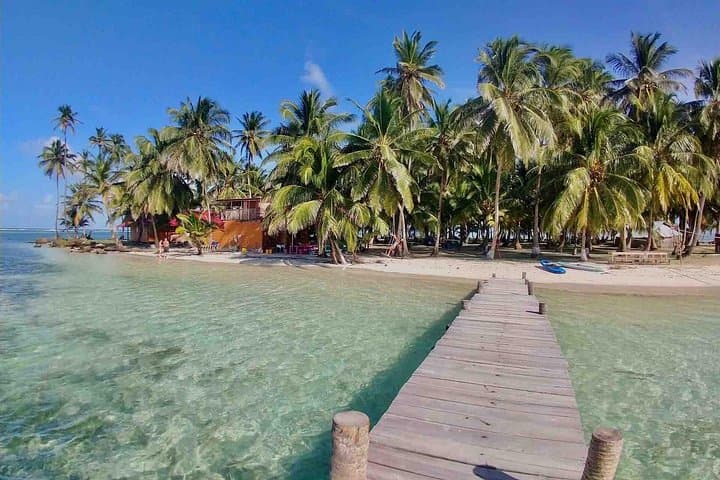
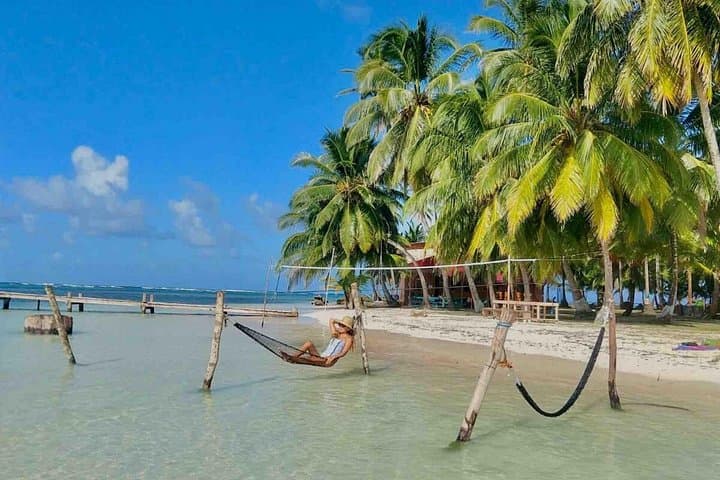
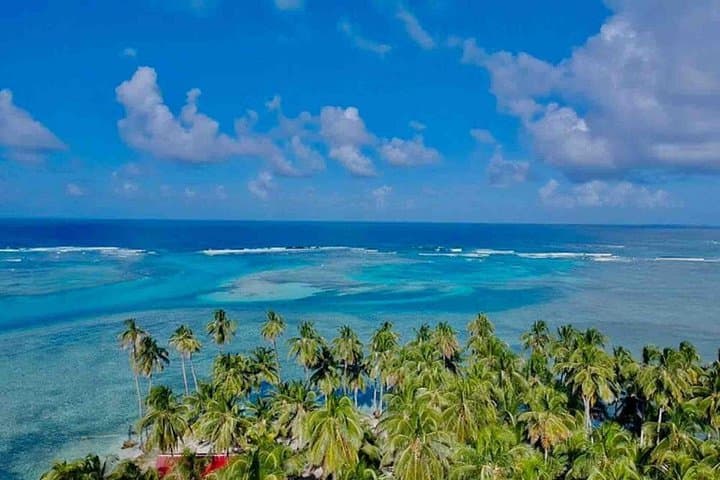
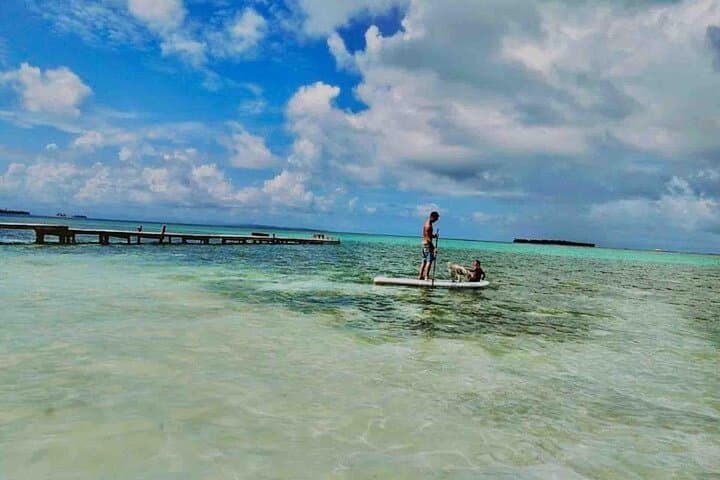
Salt air and a small shared lancha cutting through turquoise — arrive as the sun lifts itself off an endless Caribbean horizon and the islands seem to arrange themselves into a scattered necklace of white sand and palm trunks.
Salt air and a small shared lancha cutting through turquoise — arrive as the sun lifts itself off an endless Caribbean horizon and the islands seem to arrange themselves into a scattered necklace of white sand and palm trunks.
The Guna Yala archipelago is geological coral and sand sitting on an exposed continental shelf; currents shape sandbars into temporary pools and reefs host bright parrotfish that flicker like living confetti. Human history here is braided with the Guna (Kuna) people, whose autonomous comarca preserves traditional dress, molas, and a way of life organized around sea lanes and communal hospitality.
On Isla Yansailadup visitors sleep in basic shared cabins lit by moonlight and limited evening electricity, eat freshly fried fish and plantains, and learn the economy of small-island living where water is managed like gold. The natural pool — a waist-deep lagoon formed by reef and current — dares you to stand in the middle of the ocean and feel the sea push and pull at your calves.
Practical guidance: expect a 2.5–3 hour road transfer from Panama City and a 25–40 minute boat crossing that can be wet and bumpy; carry motion-sickness medicine, original passport for Guna entry, cash for extras, and waterproof storage for electronics. Respect local rules (no drones), pack reef-safe sunscreen and insect repellent, and come ready to disconnect — the reward is clear water, uncomplicated rhythms, and a real cultural exchange rather than resort polish.