THE ADVENTURE COLLECTIVE® · Independent discovery and booking for outdoor travel

Swap city noise for coral‑rimmed lagoons and a simple island pace on this 4‑day San Blas trip. Explore Yansailadup, snorkel the remote Holandeses Cays, and sleep in rustic Guna‑run cabins while learning local customs.
Swap city noise for coral‑rimmed lagoons and a simple island pace on this 4‑day San Blas trip. Explore Yansailadup, snorkel the remote Holandeses Cays, and sleep in rustic Guna‑run cabins while learning local customs.
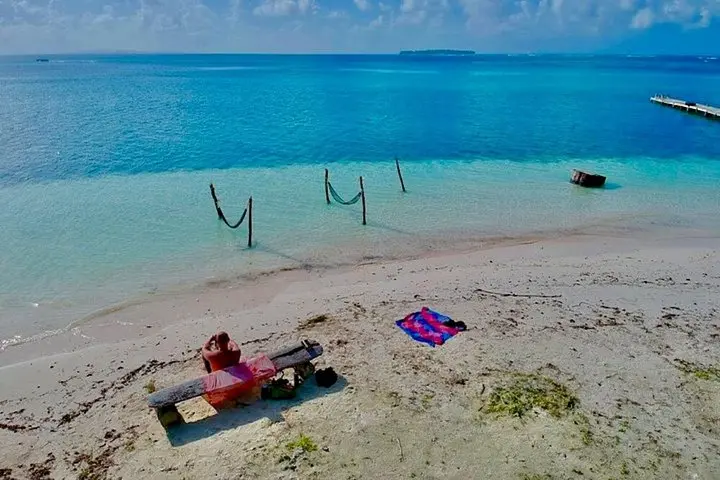
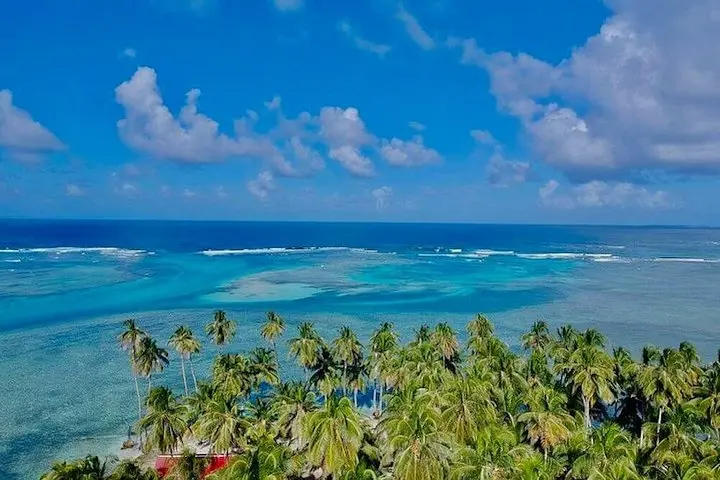
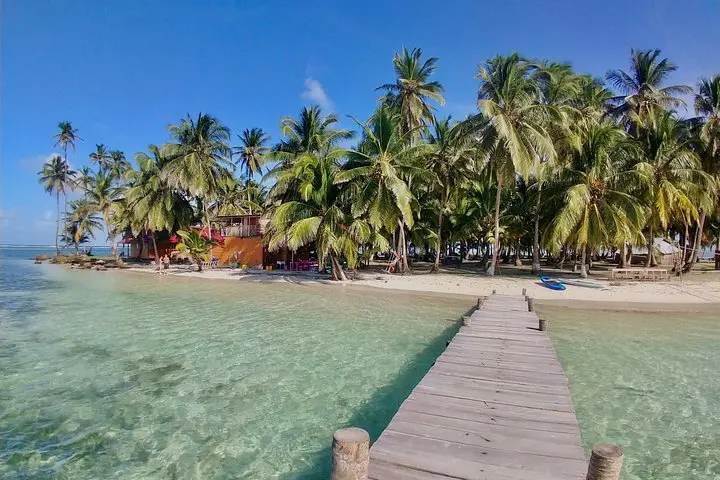
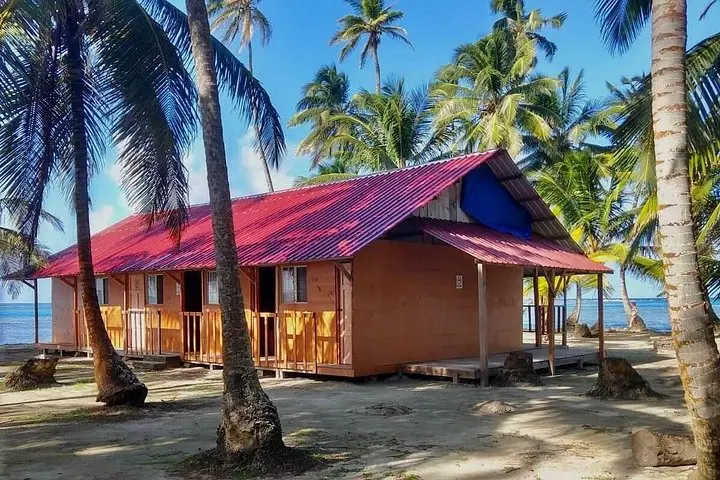
A low, heat-bright horizon opens as the lancha cuts through turquoise lanes; water pushes at the hull like an insistent hand urging you toward a fringe of white sand. Arriving on Isla Yansailadup feels immediate and simple: a handful of cabins, a main house where meals are cooked over steady flames, and palms that tilt into the sea.
Verified experiences and guided adventures in the surrounding area.
Operated by Tao Travel 365 · Cartí (Guna Yala), Guna Yala
A low, heat-bright horizon opens as the lancha cuts through turquoise lanes; water pushes at the hull like an insistent hand urging you toward a fringe of white sand. Arriving on Isla Yansailadup feels immediate and simple: a handful of cabins, a main house where meals are cooked over steady flames, and palms that tilt into the sea.
The San Blas archipelago (Guna Yala) sits on the Caribbean edge of the Panamanian continental shelf — shallow coral gardens perched on an ancient limestone platform. The Guna people have managed these islands for generations under autonomous rule; their dugout canoes and woven mola panels are as much cultural markers as the reefs are ecological ones.
Expect warm, shallow lagoons, fringing reef snorkel sites, and remote cays such as the rarely-visited Holandeses — a place where coral bommies and parrotfish color the shallows and currents can be deceptively strong. Facilities are intentionally basic: shared bathrooms, limited electricity, no Wi‑Fi, and food prepared by your Guna hosts from local catch and staples.
Practical guidance: bring your original passport, bring cash (no ATMs), pack reef‑safe sunscreen, a dry bag, and motion‑sickness medicine if you’re sensitive to open-channel crossings. Travel involves a 2.5–3 hour bumpy road transfer from Panama City, a 20–40 minute boat ride, and island logistics that vary with weather. Arrive with patience and respect; this trip is as much cultural immersion and low‑impact island camping as it is snorkeling and beach time. In return you’ll find quiet beaches, vivid reef life, and an off-grid rhythm that rewards slow exploration.
Yes — your original passport is required to enter Guna Yala; you won’t be allowed to board without it.
Three meals per day are included and based on local ingredients; hosts can often accommodate vegetarian requests but inform the operator ahead of time.
Electricity is limited (typically generator power in the evening) and Wi‑Fi is not provided; local SIMs may work intermittently.
Basic snorkel sets are often available but supply varies; bringing your own mask and fins ensures fit and comfort.
Tao Travel 365 operates guided outdoor trips and adventures with an emphasis on safety, stewardship, and memorable experiences.
A low, heat-bright horizon opens as the lancha cuts through turquoise lanes; water pushes at the hull like an insistent hand urging you toward a fringe of white sand. Arriving on Isla Yansailadup feels immediate and simple: a handful of cabins, a main house where meals are cooked over steady flames, and palms that tilt into the sea.
A low, heat-bright horizon opens as the lancha cuts through turquoise lanes; water pushes at the hull like an insistent hand urging you toward a fringe of white sand. Arriving on Isla Yansailadup feels immediate and simple: a handful of cabins, a main house where meals are cooked over steady flames, and palms that tilt into the sea.
The San Blas archipelago (Guna Yala) sits on the Caribbean edge of the Panamanian continental shelf — shallow coral gardens perched on an ancient limestone platform. The Guna people have managed these islands for generations under autonomous rule; their dugout canoes and woven mola panels are as much cultural markers as the reefs are ecological ones.
Expect warm, shallow lagoons, fringing reef snorkel sites, and remote cays such as the rarely-visited Holandeses — a place where coral bommies and parrotfish color the shallows and currents can be deceptively strong. Facilities are intentionally basic: shared bathrooms, limited electricity, no Wi‑Fi, and food prepared by your Guna hosts from local catch and staples.
Practical guidance: bring your original passport, bring cash (no ATMs), pack reef‑safe sunscreen, a dry bag, and motion‑sickness medicine if you’re sensitive to open-channel crossings. Travel involves a 2.5–3 hour bumpy road transfer from Panama City, a 20–40 minute boat ride, and island logistics that vary with weather. Arrive with patience and respect; this trip is as much cultural immersion and low‑impact island camping as it is snorkeling and beach time. In return you’ll find quiet beaches, vivid reef life, and an off-grid rhythm that rewards slow exploration.