THE ADVENTURE COLLECTIVE® · Independent discovery and booking for outdoor travel

A short, accessible day trip from Puerto Quetzal brings you into coffee fields under the watch of Agua, Fuego and Acatenango. Expect easy walking, inclusive facilities, bilingual guides and dramatic volcanic views in a five-hour outing.
A short, accessible day trip from Puerto Quetzal brings you into coffee fields under the watch of Agua, Fuego and Acatenango. Expect easy walking, inclusive facilities, bilingual guides and dramatic volcanic views in a five-hour outing.
A low, coastal morning light edges the Pacific as a wheelchair-accessible minivan pulls away from Puerto Quetzal. Ninety minutes later the air cools and the earth rises: three volcanoes—Agua, Fuego and Acatenango—stand like patient guardians above broad coffee fields. Guests move slowly along flat, planted terraces; the wind plays through coffee leaves and the volcanic cone profiles change with each step.
Verified experiences and guided adventures in the surrounding area.
Operated by Guate Tours by Nelson. · Alotenango, Sacatepéquez
A low, coastal morning light edges the Pacific as a wheelchair-accessible minivan pulls away from Puerto Quetzal. Ninety minutes later the air cools and the earth rises: three volcanoes—Agua, Fuego and Acatenango—stand like patient guardians above broad coffee fields. Guests move slowly along flat, planted terraces; the wind plays through coffee leaves and the volcanic cone profiles change with each step.
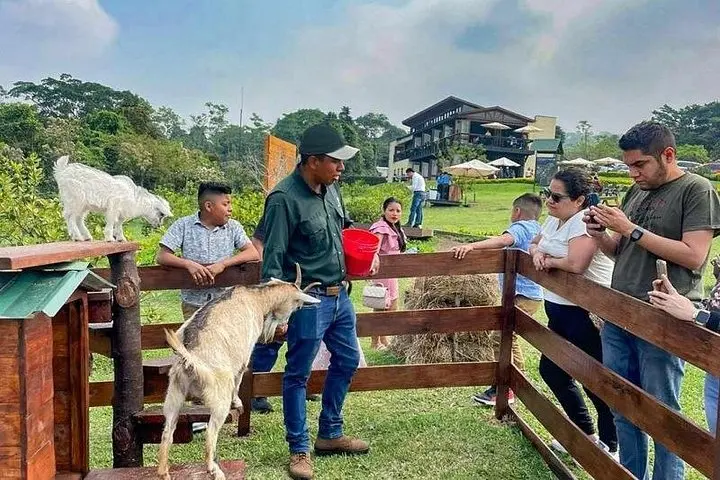
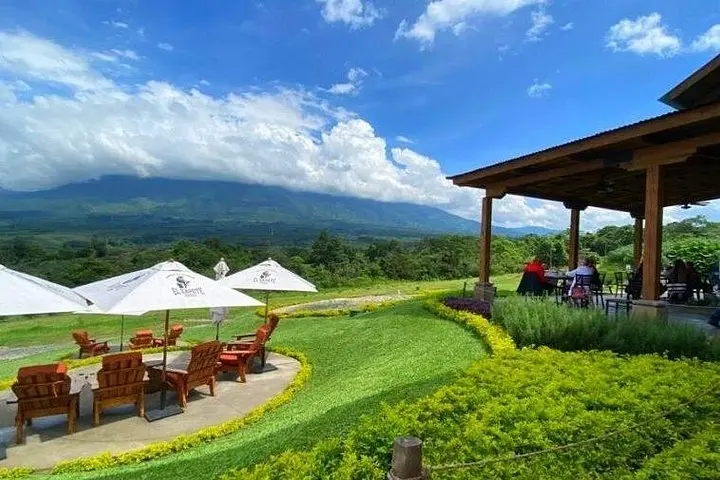
The land here is shaped by the Central American volcanic arc; repeated eruptions built the steep ridgelines and left fertile soils that drove coffee cultivation from the 19th century onward. Local families still manage small parcels, and the farm blends working agriculture with visitor areas—simple benches, ramps and inclusive bathrooms—so the landscape is as welcoming to a stroller as it is to a camera.
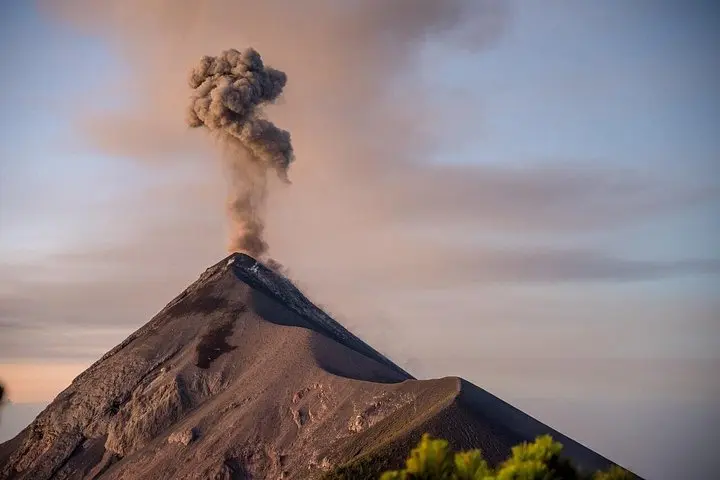
Practically: this is a five-hour, low-effort outing that combines a scenic drive with easy walking on prepared surfaces. Guides speak English and Spanish, outline the farm’s coffee process and point out lava-formed terraces and where ash once altered crops. Morning visits usually offer the clearest views of Fuego’s fumaroles; afternoons can bring haze or sporadic steam from the active cone.
Plan for sun and variable mountain air—bring layered sun protection, a refillable water bottle and a light jacket. If you require a ramp-equipped vehicle, request it at booking. The experience is designed to be accessible without sacrificing the elemental thrill of standing between living volcanoes and cultivated land.
The tour lists about 1 hour and 15 minutes each way; total tour time is roughly five hours including transport and farm time.
Yes — the site advertises flat areas, ramps and accessible bathrooms; request a ramp-equipped vehicle in advance for transport accessibility.
The tour emphasizes relaxation and views; basic refreshments may be available for purchase, but bring water and snacks if you prefer specific dietary items.
Guides are available in English and Spanish according to the tour details.
Guate Tours by Nelson. operates guided outdoor trips and adventures with an emphasis on safety, stewardship, and memorable experiences.
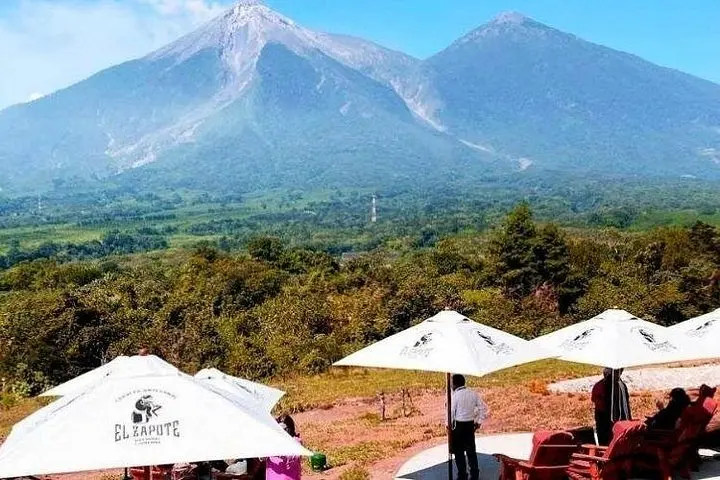
A low, coastal morning light edges the Pacific as a wheelchair-accessible minivan pulls away from Puerto Quetzal. Ninety minutes later the air cools and the earth rises: three volcanoes—Agua, Fuego and Acatenango—stand like patient guardians above broad coffee fields. Guests move slowly along flat, planted terraces; the wind plays through coffee leaves and the volcanic cone profiles change with each step.
A low, coastal morning light edges the Pacific as a wheelchair-accessible minivan pulls away from Puerto Quetzal. Ninety minutes later the air cools and the earth rises: three volcanoes—Agua, Fuego and Acatenango—stand like patient guardians above broad coffee fields. Guests move slowly along flat, planted terraces; the wind plays through coffee leaves and the volcanic cone profiles change with each step.
The land here is shaped by the Central American volcanic arc; repeated eruptions built the steep ridgelines and left fertile soils that drove coffee cultivation from the 19th century onward. Local families still manage small parcels, and the farm blends working agriculture with visitor areas—simple benches, ramps and inclusive bathrooms—so the landscape is as welcoming to a stroller as it is to a camera.
Practically: this is a five-hour, low-effort outing that combines a scenic drive with easy walking on prepared surfaces. Guides speak English and Spanish, outline the farm’s coffee process and point out lava-formed terraces and where ash once altered crops. Morning visits usually offer the clearest views of Fuego’s fumaroles; afternoons can bring haze or sporadic steam from the active cone.
Plan for sun and variable mountain air—bring layered sun protection, a refillable water bottle and a light jacket. If you require a ramp-equipped vehicle, request it at booking. The experience is designed to be accessible without sacrificing the elemental thrill of standing between living volcanoes and cultivated land.