THE ADVENTURE COLLECTIVE® · Independent discovery and booking for outdoor travel

Wander 100 acres of curated habitats, botanical collections, and interactive exhibits with a San Diego Zoo one-day pass. Plan early, use the Skyfari and bus tour to maximize time, and expect a mix of close-up animal encounters and conservation-focused learning.
Wander 100 acres of curated habitats, botanical collections, and interactive exhibits with a San Diego Zoo one-day pass. Plan early, use the Skyfari and bus tour to maximize time, and expect a mix of close-up animal encounters and conservation-focused learning.
Stepping through the main gates at the San Diego Zoo, you’re swallowed by broad walks, shaded eucalyptus, and the low murmurs of visitors trading binocular tips. Birdsong threads through the map-studded plaza; the Skyfari tram rises and falls like a silver gull, carrying people over tree canopies to distant exhibits. The grounds ask you to slow down—the animals move at their own pace and the plant collections reward careful eyes.
Verified experiences and guided adventures in the surrounding area.
Operated by San Diego Zoo Wildlife Alliance · San Diego, California
Stepping through the main gates at the San Diego Zoo, you’re swallowed by broad walks, shaded eucalyptus, and the low murmurs of visitors trading binocular tips. Birdsong threads through the map-studded plaza; the Skyfari tram rises and falls like a silver gull, carrying people over tree canopies to distant exhibits. The grounds ask you to slow down—the animals move at their own pace and the plant collections reward careful eyes.
Opened to the public in 1916 and rooted in the civic energy of Balboa Park, the Zoo grew from a small menagerie into a 100-acre conservation campus. Its collection spans habitats—from the moist drift of the Rainforest to the stony hush of Desert Dunes—and the geology underfoot shifts from landscaped berms to sandstone-like rockwork built to mimic real terrain.
Culture here mixes family-friendly programming with high-level zoological science: keeper talks, feeding demos, and the newer Wildlife Explorers Basecamp aim to connect curiosity with stewardship. Conservation runs through operations, from captive-breeding programs to habitat restoration partnerships worldwide.
Practical side: plan a loop rather than trying to see everything in one push. Start early to catch active predators and cooler exhibits, use the Guided Bus Tour or Skyfari to save time and legs, and book your mobile ticket at least a day in advance. Wear supportive shoes for uneven paths, bring a refillable bottle (many fountains available), and check exhibit schedules for animal presentations. The Zoo is wheelchair- and stroller-accessible, offers rentals, and keeps restroom and shade stops frequent—small comforts that lengthen your roaming time and deepen the visit.
No—mobile or paper tickets are accepted; mobile tickets scanned at entry are the easiest option.
Yes—paths, many exhibits, and transportation options like the Guided Bus are wheelchair-accessible; rentals are available near the entrance.
Panda exhibits have been subject to international agreements; check the Zoo’s official site for current species on display and any timed-viewing updates.
Strollers and wheelchairs can be rented at the front plaza; lockers are limited—travel light when possible.
San Diego Zoo Wildlife Alliance operates guided outdoor trips and adventures with an emphasis on safety, stewardship, and memorable experiences.



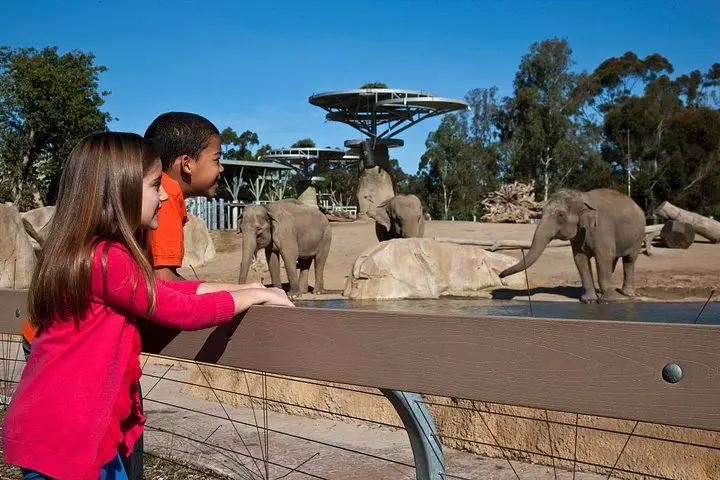
Stepping through the main gates at the San Diego Zoo, you’re swallowed by broad walks, shaded eucalyptus, and the low murmurs of visitors trading binocular tips. Birdsong threads through the map-studded plaza; the Skyfari tram rises and falls like a silver gull, carrying people over tree canopies to distant exhibits. The grounds ask you to slow down—the animals move at their own pace and the plant collections reward careful eyes.
Stepping through the main gates at the San Diego Zoo, you’re swallowed by broad walks, shaded eucalyptus, and the low murmurs of visitors trading binocular tips. Birdsong threads through the map-studded plaza; the Skyfari tram rises and falls like a silver gull, carrying people over tree canopies to distant exhibits. The grounds ask you to slow down—the animals move at their own pace and the plant collections reward careful eyes.
Opened to the public in 1916 and rooted in the civic energy of Balboa Park, the Zoo grew from a small menagerie into a 100-acre conservation campus. Its collection spans habitats—from the moist drift of the Rainforest to the stony hush of Desert Dunes—and the geology underfoot shifts from landscaped berms to sandstone-like rockwork built to mimic real terrain.
Culture here mixes family-friendly programming with high-level zoological science: keeper talks, feeding demos, and the newer Wildlife Explorers Basecamp aim to connect curiosity with stewardship. Conservation runs through operations, from captive-breeding programs to habitat restoration partnerships worldwide.
Practical side: plan a loop rather than trying to see everything in one push. Start early to catch active predators and cooler exhibits, use the Guided Bus Tour or Skyfari to save time and legs, and book your mobile ticket at least a day in advance. Wear supportive shoes for uneven paths, bring a refillable bottle (many fountains available), and check exhibit schedules for animal presentations. The Zoo is wheelchair- and stroller-accessible, offers rentals, and keeps restroom and shade stops frequent—small comforts that lengthen your roaming time and deepen the visit.