THE ADVENTURE COLLECTIVE® · Independent discovery and booking for outdoor travel

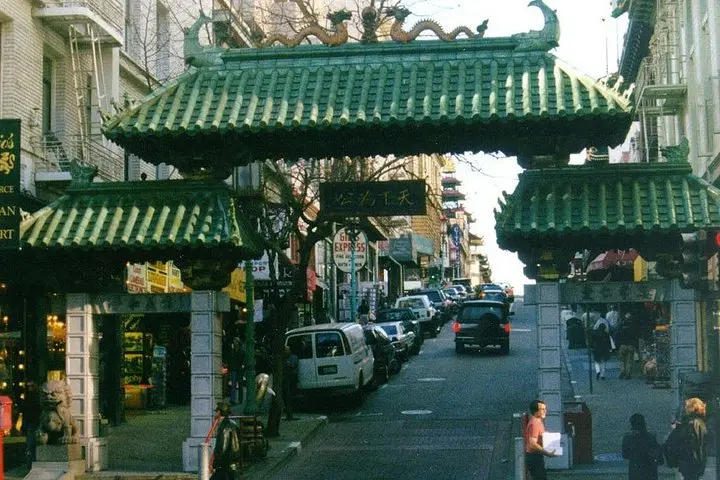
Walk through the Dragon Gate into the oldest Chinatown in North America—three hours of alleys, markets, and tastings from dim sum to hand-formed fortune cookies. This guided tour pairs culinary sampling with local history and cultural insights.
Walk through the Dragon Gate into the oldest Chinatown in North America—three hours of alleys, markets, and tastings from dim sum to hand-formed fortune cookies. This guided tour pairs culinary sampling with local history and cultural insights.
You step beneath the Dragon Gate and the city’s noise thins into the clipped clatter of wok lids and the murmur of bargaining on Stockton Street. Narrow alleys open into pockets of steam and smoke where bakeries and small kitchens keep constant time, and an artisan at the Fortune Cookie Factory bends the thin dough over a wooden form by hand.
Verified experiences and guided adventures in the surrounding area.
Operated by Local Tastes of the City Tours · San Francisco, California
You step beneath the Dragon Gate and the city’s noise thins into the clipped clatter of wok lids and the murmur of bargaining on Stockton Street. Narrow alleys open into pockets of steam and smoke where bakeries and small kitchens keep constant time, and an artisan at the Fortune Cookie Factory bends the thin dough over a wooden form by hand.
San Francisco’s Chinatown grew from Gold Rush-era migration and later household, family-run businesses that stitched community together through shared kitchens and temples. The neighborhood sits on fill and terraces carved into a steep city block; the walk is mostly paved sidewalks, short flights of public stairs, and tighter, older alleys that retain original brick and tile.
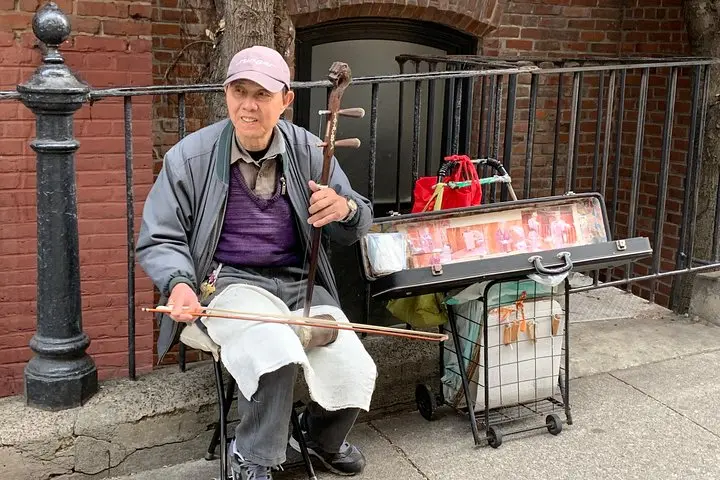
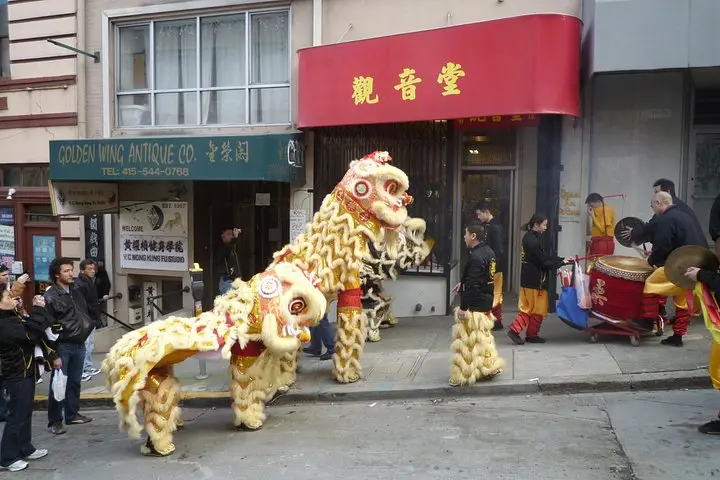
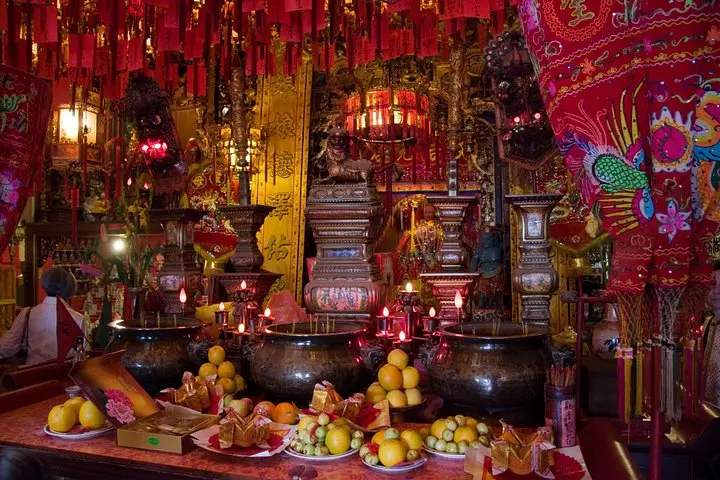
Culture here is tangible: incense at Tin How Temple, Cantonese signage, and markets where herbs and offal sit beside seasonal produce. Culinary practice is local and regional—dim sum steam, roast duck lacquered with soy, and subtler notes in multi-steep teas. Guides tie these flavors to migration stories and the commerce that built this enclave.
Practical guidance: the tour runs about three hours and covers roughly 1.5–2 miles with frequent stops. Wear sturdy, comfortable shoes for uneven pavements and narrow steps. Bring a refillable water bottle and pack light layers—fog or sun can appear in the same morning. If you have allergies, note that some vendors use nuts and seafood; tour operators here cannot accommodate nut allergies. Aim for mid-morning to catch markets in full swing and bakeries with fresh batches.
Yes—hand-picked tastings such as dim sum, BBQ pork buns, pastries, and a tea tasting are included as described.
The tour includes many traditional items and cannot fully accommodate nut allergies; vegetarian options are usually available but notify the operator ahead of time.
The meeting point is the Dragon Gate at Bush and Grant Streets; the tour finishes within Chinatown near central market streets.
Yes—infants and small children can ride in strollers, but some alleys and short stair sections may be tight.
Local Tastes of the City Tours operates guided outdoor trips and adventures with an emphasis on safety, stewardship, and memorable experiences.
You step beneath the Dragon Gate and the city’s noise thins into the clipped clatter of wok lids and the murmur of bargaining on Stockton Street. Narrow alleys open into pockets of steam and smoke where bakeries and small kitchens keep constant time, and an artisan at the Fortune Cookie Factory bends the thin dough over a wooden form by hand.
You step beneath the Dragon Gate and the city’s noise thins into the clipped clatter of wok lids and the murmur of bargaining on Stockton Street. Narrow alleys open into pockets of steam and smoke where bakeries and small kitchens keep constant time, and an artisan at the Fortune Cookie Factory bends the thin dough over a wooden form by hand.
San Francisco’s Chinatown grew from Gold Rush-era migration and later household, family-run businesses that stitched community together through shared kitchens and temples. The neighborhood sits on fill and terraces carved into a steep city block; the walk is mostly paved sidewalks, short flights of public stairs, and tighter, older alleys that retain original brick and tile.
Culture here is tangible: incense at Tin How Temple, Cantonese signage, and markets where herbs and offal sit beside seasonal produce. Culinary practice is local and regional—dim sum steam, roast duck lacquered with soy, and subtler notes in multi-steep teas. Guides tie these flavors to migration stories and the commerce that built this enclave.
Practical guidance: the tour runs about three hours and covers roughly 1.5–2 miles with frequent stops. Wear sturdy, comfortable shoes for uneven pavements and narrow steps. Bring a refillable water bottle and pack light layers—fog or sun can appear in the same morning. If you have allergies, note that some vendors use nuts and seafood; tour operators here cannot accommodate nut allergies. Aim for mid-morning to catch markets in full swing and bakeries with fresh batches.