THE ADVENTURE COLLECTIVE® · Independent discovery and booking for outdoor travel

Spend a half-day from San José at a wildlife rescue center that houses sloths, macaws, parrots and more. Learn rescue stories, rehabilitation practices, and practical conservation steps you can support.
Spend a half-day from San José at a wildlife rescue center that houses sloths, macaws, parrots and more. Learn rescue stories, rehabilitation practices, and practical conservation steps you can support.
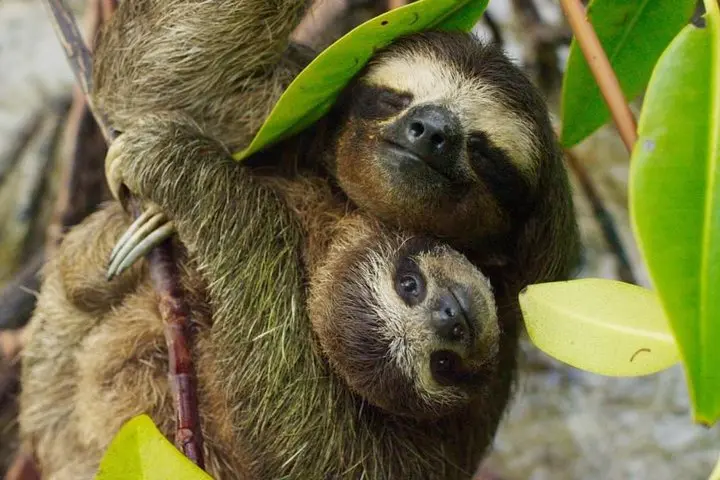
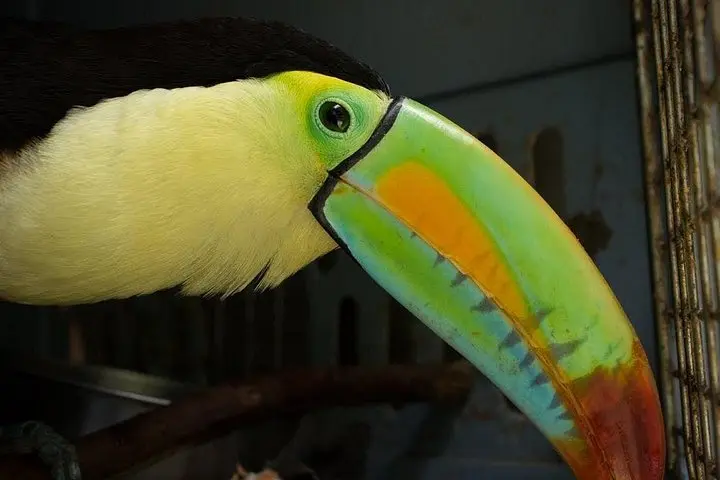
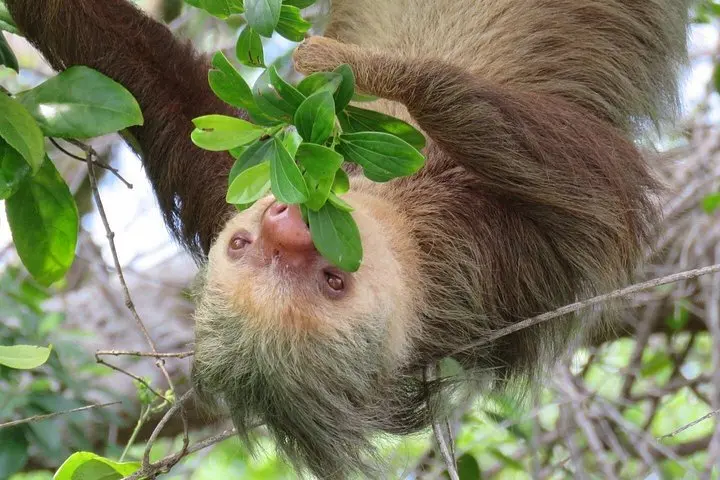
You step out of an air-conditioned van into humid air that smells of wet earth and flowering heliconias. A chorus of birds greets you — macaws squawk, parrots chatter, and a slow, deliberate rustle hints at a sloth somewhere above. The ranch is a purposeful patch of rainforest reclaimed for animals that couldn't survive in the wild; paths wind between enclosures and shaded observation areas where guides tell the stories behind each rescued animal.
Verified experiences and guided adventures in the surrounding area.
Operated by Destiny Travel Costa Rica · San José, San José
You step out of an air-conditioned van into humid air that smells of wet earth and flowering heliconias. A chorus of birds greets you — macaws squawk, parrots chatter, and a slow, deliberate rustle hints at a sloth somewhere above. The ranch is a purposeful patch of rainforest reclaimed for animals that couldn't survive in the wild; paths wind between enclosures and shaded observation areas where guides tell the stories behind each rescued animal.
The rescue movement around San José grew from local veterinarians and volunteers responding to wildlife confiscations and habitat loss; many centers occupy secondary forests on lowland volcanic soils shaped by nearby ranges. The region’s human history — smallholder farms, coffee estates, and expanding suburbs — explains why animals arrive injured or orphaned, and why rehabilitation combines veterinary care with community education.
On a guided tour you’ll learn species-specific facts: how sloths conserve energy, why macaws need large seed-bearing trees, and how rehab prepares animals for release when possible. Guides often discuss local conservation programs and how tourism funds rescue work.
Practically, expect flat walking on packed dirt and boardwalks for about 1–2 hours at the facility within a full 4-hour trip from San José. Wear closed-toe shoes, bring a lightweight rain jacket in the green season, and keep a respectful distance from animals — handling is restricted to staff. Cameras are welcome but avoid flash. The visit is accessible and family-friendly, offering a compact, educational encounter with Costa Rica’s wildlife and conservation challenges.
Most private tours provide hotel pickup and the round trip plus ranch visit runs about 4 hours total.
Direct handling is typically limited to trained staff; visitors observe and learn about care rather than routinely holding animals.
Many rescue centers have accessible paths and the tour description notes wheelchair and stroller access — check with the operator for specific needs.
Yes; the tour is family-friendly, but children should follow safety rules and stay with the group during animal presentations.
Destiny Travel Costa Rica operates guided outdoor trips and adventures with an emphasis on safety, stewardship, and memorable experiences.

You step out of an air-conditioned van into humid air that smells of wet earth and flowering heliconias. A chorus of birds greets you — macaws squawk, parrots chatter, and a slow, deliberate rustle hints at a sloth somewhere above. The ranch is a purposeful patch of rainforest reclaimed for animals that couldn't survive in the wild; paths wind between enclosures and shaded observation areas where guides tell the stories behind each rescued animal.
You step out of an air-conditioned van into humid air that smells of wet earth and flowering heliconias. A chorus of birds greets you — macaws squawk, parrots chatter, and a slow, deliberate rustle hints at a sloth somewhere above. The ranch is a purposeful patch of rainforest reclaimed for animals that couldn't survive in the wild; paths wind between enclosures and shaded observation areas where guides tell the stories behind each rescued animal.
The rescue movement around San José grew from local veterinarians and volunteers responding to wildlife confiscations and habitat loss; many centers occupy secondary forests on lowland volcanic soils shaped by nearby ranges. The region’s human history — smallholder farms, coffee estates, and expanding suburbs — explains why animals arrive injured or orphaned, and why rehabilitation combines veterinary care with community education.
On a guided tour you’ll learn species-specific facts: how sloths conserve energy, why macaws need large seed-bearing trees, and how rehab prepares animals for release when possible. Guides often discuss local conservation programs and how tourism funds rescue work.
Practically, expect flat walking on packed dirt and boardwalks for about 1–2 hours at the facility within a full 4-hour trip from San José. Wear closed-toe shoes, bring a lightweight rain jacket in the green season, and keep a respectful distance from animals — handling is restricted to staff. Cameras are welcome but avoid flash. The visit is accessible and family-friendly, offering a compact, educational encounter with Costa Rica’s wildlife and conservation challenges.