THE ADVENTURE COLLECTIVE® · Independent discovery and booking for outdoor travel

Explore San José’s historic core on a focused two-hour walking tour that visits Teatro Nacional, Barrio Amón, Parque Nacional and the Metropolitan Cathedral. This private walk blends architecture, civic history and local culture with practical tips for navigating the city on foot.
Explore San José’s historic core on a focused two-hour walking tour that visits Teatro Nacional, Barrio Amón, Parque Nacional and the Metropolitan Cathedral. This private walk blends architecture, civic history and local culture with practical tips for navigating the city on foot.
You step from a busy avenue into the marbled foyer of Teatro Nacional, the city’s theatrical heartbeat; the air smells faintly of espresso and polished wood, and the guide’s voice threads the room back through time. Outside, Parque España opens like an urban lung — trees shade colonial facades while the city hums beyond the park benches.
Verified experiences and guided adventures in the surrounding area.
Operated by Guydeez · San José, San José
You step from a busy avenue into the marbled foyer of Teatro Nacional, the city’s theatrical heartbeat; the air smells faintly of espresso and polished wood, and the guide’s voice threads the room back through time. Outside, Parque España opens like an urban lung — trees shade colonial facades while the city hums beyond the park benches.
San José’s core rose in the late 19th century as coffee wealth reshaped the Central Valley. The Teatro Nacional (opened 1897) broadcast Europe-influenced architecture and civic pride; nearby, Barrio Amón’s painted houses and wrought-iron balconies record the city’s urban migration and class shifts. The National Monument commemorates regional struggles and is a reminder of Central America’s contested maritime and political history. Geologically, the city sits on the Central Valley’s volcanic soils — low rolling hills rather than dramatic peaks — which allowed dense urban growth and pocket parks like Parque Nacional.
Culture here is both liturgical and streetwise: the Metropolitan Cathedral houses liturgical art and a statue of Pope John Paul II, while mercados and cafés push local life into the open. Keep an eye out for urban wildlife — hummingbirds and iguanas share sunny courtyards — and for small artisan shops that keep old trades alive.
Practical guidance: the tour runs about two hours on mostly paved sidewalks and short stair sections. Wear sturdy walking shoes, carry water and sunscreen, and expect occasional traffic noise. If rain threatens, a lightweight jacket protects both you and the historic interiors you’ll visit. Wheelchair access and public transport options are available, but confirm meeting points with your guide before you go.
Yes — the tour notes wheelchair accessibility, but confirm specific meeting points and any alternate routes with your provider ahead of time.
Guides are available in English, Spanish and French according to the listing; request your preferred language when booking.
Full refunds are available if you cancel at least 24 hours before the tour; cancellations within 24 hours are non‑refundable.
This walking tour focuses on exterior visits and commentary; entrance to paid sites or interior tours may require additional tickets which the operator can help arrange.
Guydeez operates guided outdoor trips and adventures with an emphasis on safety, stewardship, and memorable experiences.

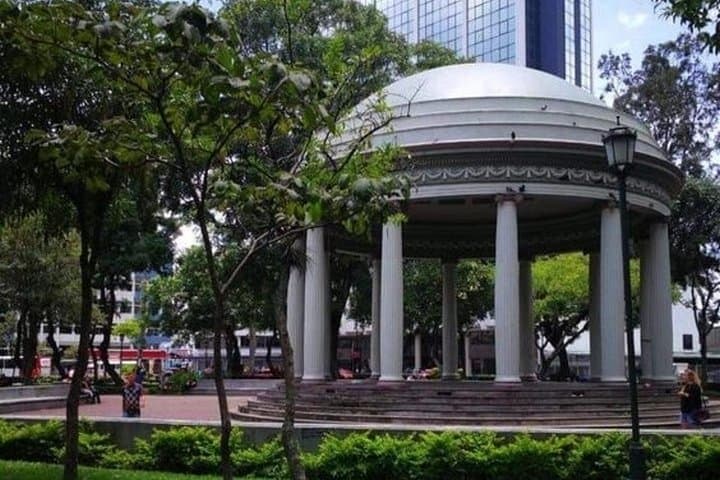


You step from a busy avenue into the marbled foyer of Teatro Nacional, the city’s theatrical heartbeat; the air smells faintly of espresso and polished wood, and the guide’s voice threads the room back through time. Outside, Parque España opens like an urban lung — trees shade colonial facades while the city hums beyond the park benches.
You step from a busy avenue into the marbled foyer of Teatro Nacional, the city’s theatrical heartbeat; the air smells faintly of espresso and polished wood, and the guide’s voice threads the room back through time. Outside, Parque España opens like an urban lung — trees shade colonial facades while the city hums beyond the park benches.
San José’s core rose in the late 19th century as coffee wealth reshaped the Central Valley. The Teatro Nacional (opened 1897) broadcast Europe-influenced architecture and civic pride; nearby, Barrio Amón’s painted houses and wrought-iron balconies record the city’s urban migration and class shifts. The National Monument commemorates regional struggles and is a reminder of Central America’s contested maritime and political history. Geologically, the city sits on the Central Valley’s volcanic soils — low rolling hills rather than dramatic peaks — which allowed dense urban growth and pocket parks like Parque Nacional.
Culture here is both liturgical and streetwise: the Metropolitan Cathedral houses liturgical art and a statue of Pope John Paul II, while mercados and cafés push local life into the open. Keep an eye out for urban wildlife — hummingbirds and iguanas share sunny courtyards — and for small artisan shops that keep old trades alive.
Practical guidance: the tour runs about two hours on mostly paved sidewalks and short stair sections. Wear sturdy walking shoes, carry water and sunscreen, and expect occasional traffic noise. If rain threatens, a lightweight jacket protects both you and the historic interiors you’ll visit. Wheelchair access and public transport options are available, but confirm meeting points with your guide before you go.