THE ADVENTURE COLLECTIVE® · Independent discovery and booking for outdoor travel

Build your own Turkish mosaic lamp in a relaxed San Jose studio—no prior experience needed. This 2–2.5 hour hands-on workshop combines Anatolian history, guided assembly, and a take-home finishing kit.
Build your own Turkish mosaic lamp in a relaxed San Jose studio—no prior experience needed. This 2–2.5 hour hands-on workshop combines Anatolian history, guided assembly, and a take-home finishing kit.
Step into a compact San Jose studio and the air shifts: glass clinks, warm tea steams, and a ring of colorful tiles waits like a small, unmade constellation. In two hours you move from blank template to a glowing lamp that carries centuries of Anatolian craft into a Silicon Valley evening.
Verified experiences and guided adventures in the surrounding area.
Operated by Studio Flora's · San Jose, California
Step into a compact San Jose studio and the air shifts: glass clinks, warm tea steams, and a ring of colorful tiles waits like a small, unmade constellation. In two hours you move from blank template to a glowing lamp that carries centuries of Anatolian craft into a Silicon Valley evening.
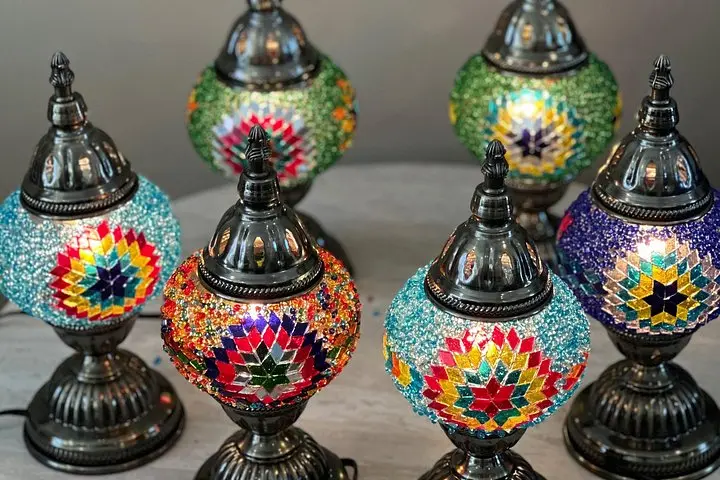
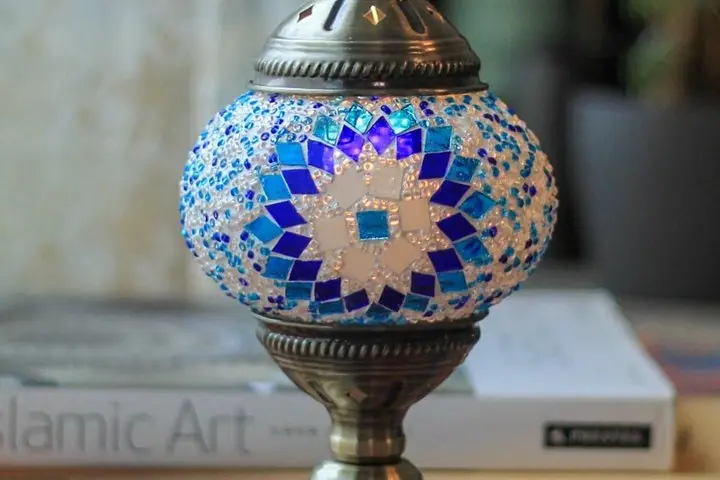
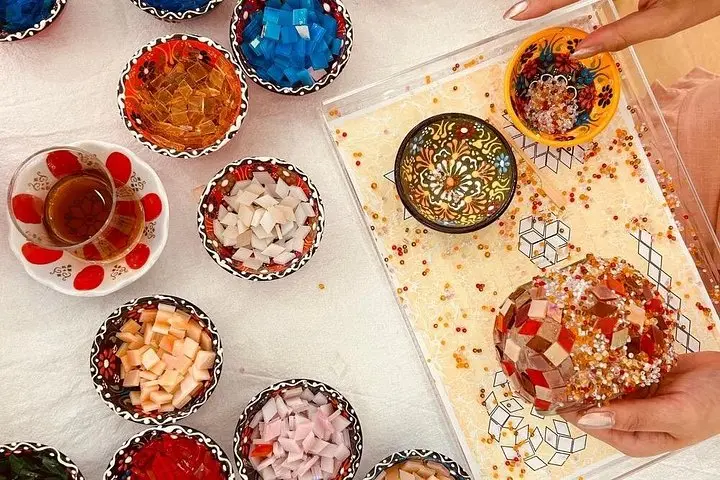
The workshop opens with a short primer on Turkish mosaic history—how Ottoman and Anatolian artisans turned broken glass and beadwork into geometric light—and why pattern and color were as much language as ornament. You then pick a pre-set lamp shape, choose glass tiles and bead colors, and lay a geometric design on a plastered dome before attaching pieces to a brass-like lamp base. Instructors guide grouting and finishing; a take-home kit covers final curing and wiring.
The studio sits quietly in a city known for tech and cultural diversity; expect easy transit access, wheelchair-friendly spaces, and a relaxed, small-group pace that suits families and date nights alike. The hands-on process is tactile and precise—cutting is done by staff, but arranging and finishing require focus and a steady hand.
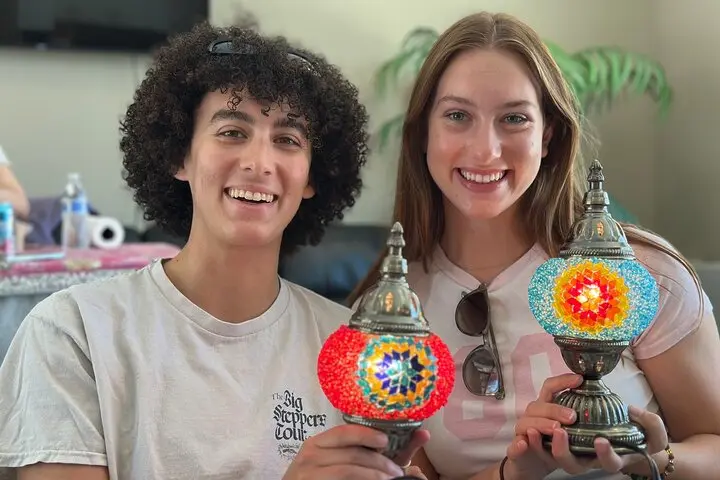
Practical notes: plan for about 2–2.5 hours, wear clothes you don’t mind getting a little adhesive on, and factor in drying time before you fully assemble or plug in your lamp at home. Bring a phone camera for progress shots, and arrive a few minutes early to choose your palette. The result is functional art you made yourself: a beat of Anatolian light to take home and a concrete way to learn a craft that has spanned continents.
No—this workshop is designed for beginners and instructors handle cutting and heavier tools while guiding your design and assembly.
Yes, the listing notes wheelchair-accessible areas and surfaces; notify organizers of special requirements when booking.
Yes—families are welcome; younger children may need close supervision for detailed steps and to avoid touching adhesives.
You get a grouting and plastering take-home kit plus instructions to complete curing and final assembly safely at home.
Studio Flora's operates guided outdoor trips and adventures with an emphasis on safety, stewardship, and memorable experiences.
Step into a compact San Jose studio and the air shifts: glass clinks, warm tea steams, and a ring of colorful tiles waits like a small, unmade constellation. In two hours you move from blank template to a glowing lamp that carries centuries of Anatolian craft into a Silicon Valley evening.
Step into a compact San Jose studio and the air shifts: glass clinks, warm tea steams, and a ring of colorful tiles waits like a small, unmade constellation. In two hours you move from blank template to a glowing lamp that carries centuries of Anatolian craft into a Silicon Valley evening.
The workshop opens with a short primer on Turkish mosaic history—how Ottoman and Anatolian artisans turned broken glass and beadwork into geometric light—and why pattern and color were as much language as ornament. You then pick a pre-set lamp shape, choose glass tiles and bead colors, and lay a geometric design on a plastered dome before attaching pieces to a brass-like lamp base. Instructors guide grouting and finishing; a take-home kit covers final curing and wiring.
The studio sits quietly in a city known for tech and cultural diversity; expect easy transit access, wheelchair-friendly spaces, and a relaxed, small-group pace that suits families and date nights alike. The hands-on process is tactile and precise—cutting is done by staff, but arranging and finishing require focus and a steady hand.
Practical notes: plan for about 2–2.5 hours, wear clothes you don’t mind getting a little adhesive on, and factor in drying time before you fully assemble or plug in your lamp at home. Bring a phone camera for progress shots, and arrive a few minutes early to choose your palette. The result is functional art you made yourself: a beat of Anatolian light to take home and a concrete way to learn a craft that has spanned continents.