THE ADVENTURE COLLECTIVE® · Independent discovery and booking for outdoor travel

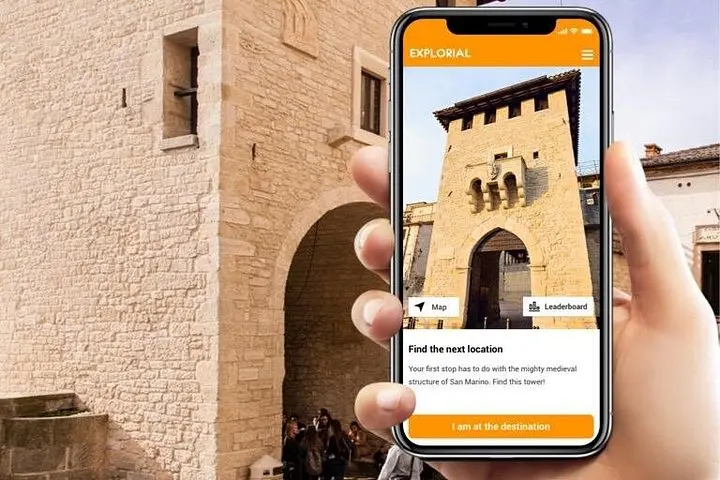
Turn San Marino’s compact medieval center into a game: this self-guided scavenger hunt leads you by clues through Le Mura, Piazza della Libertà and Cesta (Seconda Torre). Download an app, follow riddles, and explore the city at your own pace.
Turn San Marino’s compact medieval center into a game: this self-guided scavenger hunt leads you by clues through Le Mura, Piazza della Libertà and Cesta (Seconda Torre). Download an app, follow riddles, and explore the city at your own pace.
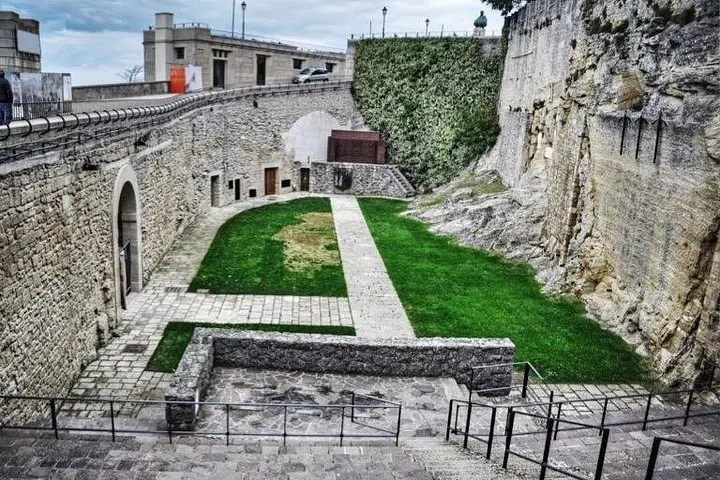
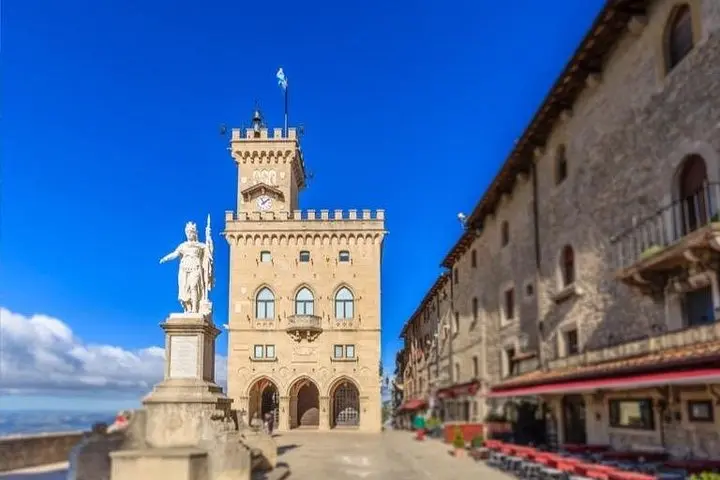
You start at the base of Mount Titano and the stone underfoot hums with centuries of feet; the city climbs above the Adriatic like a compact, living museum. Flags snap across Piazza della Libertà, and narrow alleys funnel you toward crenellated walls and the squat silhouette of Cesta (Seconda Torre).
Verified experiences and guided adventures in the surrounding area.
Operated by Explorial · San Marino, N/A
You start at the base of Mount Titano and the stone underfoot hums with centuries of feet; the city climbs above the Adriatic like a compact, living museum. Flags snap across Piazza della Libertà, and narrow alleys funnel you toward crenellated walls and the squat silhouette of Cesta (Seconda Torre).
San Marino's story is blunt and old — a Christian stonemason, Saint Marinus, is said to have founded a free community here in the 4th century AD. Geology shapes the visit: Titano's limestone outcrops create steep vantage points and tight switchback streets that open into sweeping views over Rimini and the sea. The historic center and Mount Titano are a UNESCO World Heritage site, proof of the place's long civic identity and communal resilience.
Culturally the city wears its independence plainly: small government offices, local craft shops, and cafés where people meet between guard changes. The scavenger-hunt format turns each sight — Le Mura, the basilica façade, the towers — into a puzzle: clues point you to inscriptions, plaques, and tiny details most visitors miss.
Practical guidance: download the app and enter your access code before you arrive; the route is self-paced and averages 1–2 hours. Expect uneven stone and steps — comfortable shoes matter. Carry a charged phone and a small power bank for navigation and photo tasks. Visit early morning or late afternoon to dodge coach crowds and to catch softer light for photos. Bring water, check museum opening hours if you want interiors, and leave plenty of time to simply stand on the ramparts and let the view push your attention outward.
The route averages 1–2 hours but is self-paced; factor extra time for photos, museum visits, or breaks.
The experience is available in English and Italian via the app.
The historic center has steep, uneven steps and narrow lanes; the operator notes it is not wheelchair accessible.
Yes — the scavenger hunt is self-guided and untimed once you unlock the experience with your access code; however, check opening hours for any attractions you want to enter.
Explorial operates guided outdoor trips and adventures with an emphasis on safety, stewardship, and memorable experiences.

You start at the base of Mount Titano and the stone underfoot hums with centuries of feet; the city climbs above the Adriatic like a compact, living museum. Flags snap across Piazza della Libertà, and narrow alleys funnel you toward crenellated walls and the squat silhouette of Cesta (Seconda Torre).
You start at the base of Mount Titano and the stone underfoot hums with centuries of feet; the city climbs above the Adriatic like a compact, living museum. Flags snap across Piazza della Libertà, and narrow alleys funnel you toward crenellated walls and the squat silhouette of Cesta (Seconda Torre).
San Marino's story is blunt and old — a Christian stonemason, Saint Marinus, is said to have founded a free community here in the 4th century AD. Geology shapes the visit: Titano's limestone outcrops create steep vantage points and tight switchback streets that open into sweeping views over Rimini and the sea. The historic center and Mount Titano are a UNESCO World Heritage site, proof of the place's long civic identity and communal resilience.
Culturally the city wears its independence plainly: small government offices, local craft shops, and cafés where people meet between guard changes. The scavenger-hunt format turns each sight — Le Mura, the basilica façade, the towers — into a puzzle: clues point you to inscriptions, plaques, and tiny details most visitors miss.
Practical guidance: download the app and enter your access code before you arrive; the route is self-paced and averages 1–2 hours. Expect uneven stone and steps — comfortable shoes matter. Carry a charged phone and a small power bank for navigation and photo tasks. Visit early morning or late afternoon to dodge coach crowds and to catch softer light for photos. Bring water, check museum opening hours if you want interiors, and leave plenty of time to simply stand on the ramparts and let the view push your attention outward.