THE ADVENTURE COLLECTIVE® · Independent discovery and booking for outdoor travel

Walk into the Little Berg from Underberg to see some of the Drakensberg’s finest San rock paintings. This guided 12–13 km hike combines dramatic geology, ancient art, and panoramic mountain views.
Walk into the Little Berg from Underberg to see some of the Drakensberg’s finest San rock paintings. This guided 12–13 km hike combines dramatic geology, ancient art, and panoramic mountain views.
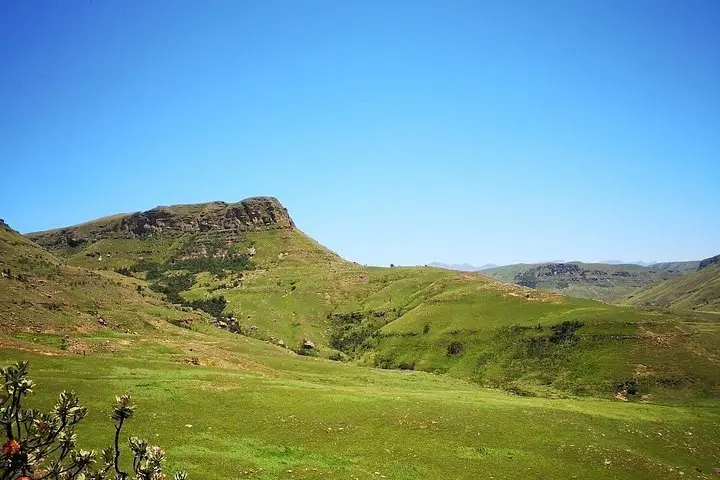
You push through frost-tipped grass at first light, the Little Berg rising like a folded shoulder ahead, and your guide points to a sheltered overhang where ochre figures stare back across centuries. The air tastes of shale and iron; early sun slants along quartz-veined cliffs while the trail threads through montane grassland and stunted heath.
Verified experiences and guided adventures in the surrounding area.
Operated by Roof of Africa Tours · Underberg, KwaZulu-Natal
You push through frost-tipped grass at first light, the Little Berg rising like a folded shoulder ahead, and your guide points to a sheltered overhang where ochre figures stare back across centuries. The air tastes of shale and iron; early sun slants along quartz-veined cliffs while the trail threads through montane grassland and stunted heath.
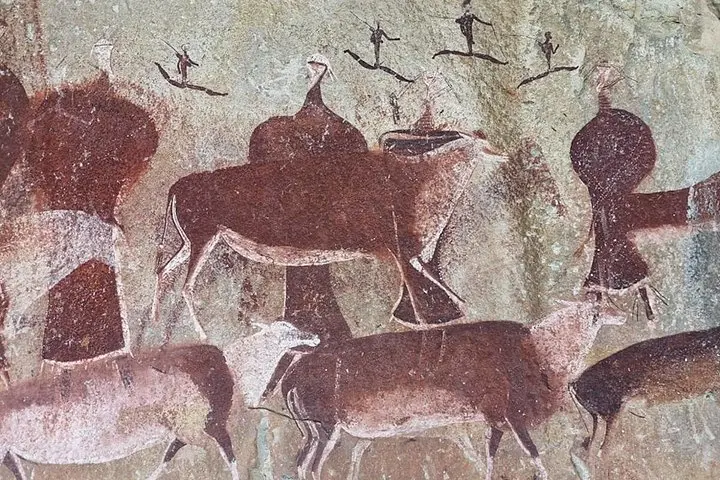
These panels are the work of the San people, who occupied the southern Drakensberg for tens of thousands of years. Their paintings—stylized hunters, elands and spirit figures—sit on sandstone faces formed when ancient riverbeds hardened into layered rock, then were uplifted and eroded by wind and water. The area around Underberg and the Sani Pass marks a cultural crossroads where Zulu and colonial histories later intersected with longstanding San traditions.
On the day hike you’ll cover roughly 12–13 km with about 400 m of ascent, moving from farm tracks into steeper, rocky sections where boots and poles pay off. Expect a mix of open ridgelines that throw wide views across the Drakensberg and shaded gullies that preserve the paintings. Your naturalist guide interprets motifs, points out archaeological context, and steers you to the best-preserved panels.
Practical edge: start early to avoid afternoon winds and heat, carry 2–3 liters of water, and layer for sudden mountain weather. Respect the art—no touching or leaning—and follow your guide’s route to protect fragile vegetation and rock surfaces. The reward is direct: ancient images revealed in a wild, wind-sculpted landscape.
Expect 12–13 km total with approximately 400 m of ascent; the pace is moderate but continuous, so allow 6–8 hours including stops.
The paintings are fragile and generally in sheltered overhangs; your guide will interpret them from close but will prevent touching or damaging the panels.
The route requires good fitness and sure-footedness; children competent on long walks might manage, but it’s not recommended for those with mobility or cardiovascular limitations.
Layered clothing, waterproof shell, sturdy boots, 2–3 liters of water, snacks, sun protection, and a camera; poles are recommended for steep sections.
Roof of Africa Tours operates guided outdoor trips and adventures with an emphasis on safety, stewardship, and memorable experiences.
You push through frost-tipped grass at first light, the Little Berg rising like a folded shoulder ahead, and your guide points to a sheltered overhang where ochre figures stare back across centuries. The air tastes of shale and iron; early sun slants along quartz-veined cliffs while the trail threads through montane grassland and stunted heath.
You push through frost-tipped grass at first light, the Little Berg rising like a folded shoulder ahead, and your guide points to a sheltered overhang where ochre figures stare back across centuries. The air tastes of shale and iron; early sun slants along quartz-veined cliffs while the trail threads through montane grassland and stunted heath.
These panels are the work of the San people, who occupied the southern Drakensberg for tens of thousands of years. Their paintings—stylized hunters, elands and spirit figures—sit on sandstone faces formed when ancient riverbeds hardened into layered rock, then were uplifted and eroded by wind and water. The area around Underberg and the Sani Pass marks a cultural crossroads where Zulu and colonial histories later intersected with longstanding San traditions.
On the day hike you’ll cover roughly 12–13 km with about 400 m of ascent, moving from farm tracks into steeper, rocky sections where boots and poles pay off. Expect a mix of open ridgelines that throw wide views across the Drakensberg and shaded gullies that preserve the paintings. Your naturalist guide interprets motifs, points out archaeological context, and steers you to the best-preserved panels.
Practical edge: start early to avoid afternoon winds and heat, carry 2–3 liters of water, and layer for sudden mountain weather. Respect the art—no touching or leaning—and follow your guide’s route to protect fragile vegetation and rock surfaces. The reward is direct: ancient images revealed in a wild, wind-sculpted landscape.